Insights and impact
About the Council
The Atlantic Council promotes constructive leadership and engagement in international affairs based on the Atlantic Community’s central role in meeting global challenges. The Council provides an essential forum for navigating the dramatic economic and political changes defining the twenty-first century by informing and galvanizing its uniquely influential network of global leaders. Through the papers we write, the ideas we generate, and the communities we build, the Council shapes policy choices and strategies to create a more secure and prosperous world.
Featured content
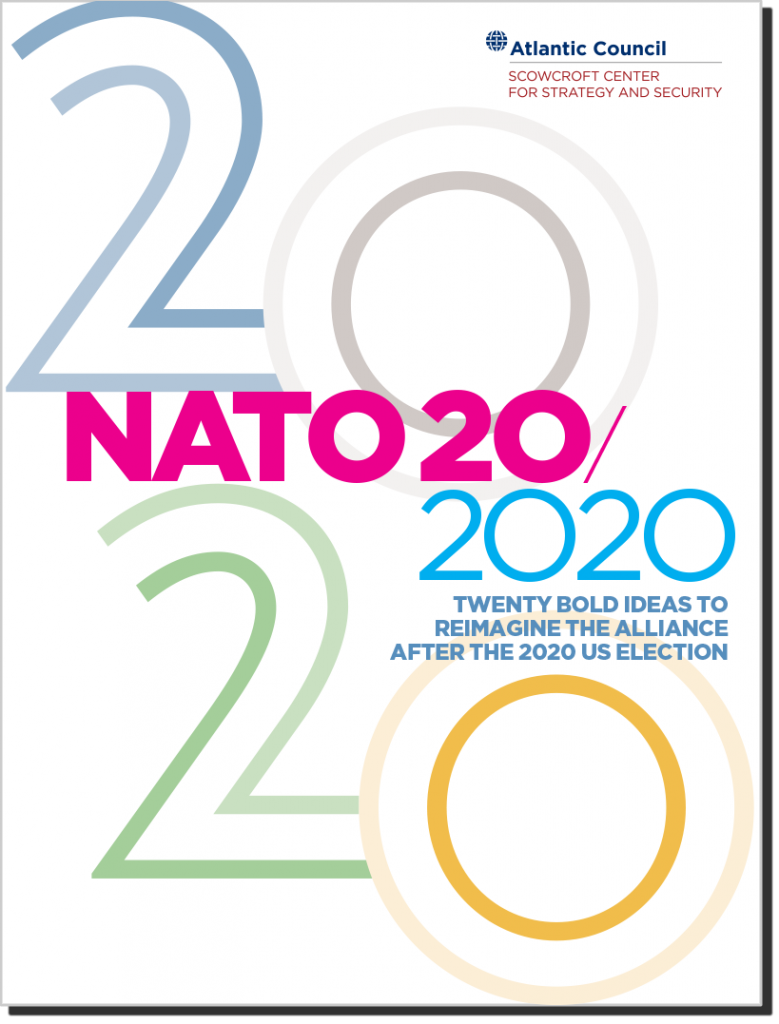
NATO 20/2020
Twenty bold ideas to reimagine the Alliance after the 2020 US election
More than two decades after NATO’s inspired decision to invite former adversaries to join its ranks, the Alliance is in need of equally captivating ideas. The essays in this volume are intended to push the Alliance to think boldly and creatively in the service of recapturing the public’s imagination.
Explore the podcast series
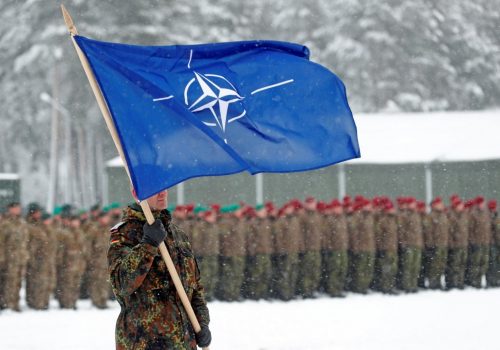
Making a difference
Learn more about the Atlantic Council’s insights & impact through these stories of how our regional and thematic programs are making a difference not only in shaping how we view global issues but also in shaping their outcome.
In the News
Dec 17, 2020
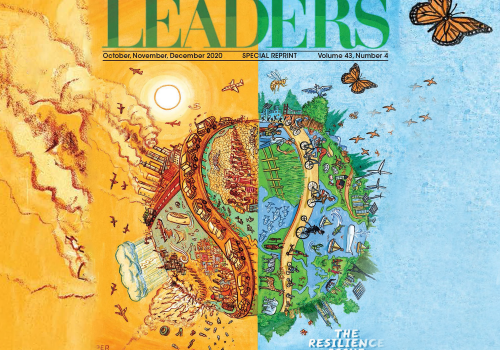
The Adrienne Arsht-Rockefeller Foundation Resilience Center partners with LEADERS Magazine to dedicate an entire issue to resilience
For its Fall/Winter issue of 2020, LEADERS Magazine, asked the Adrienne Arsht-Rockefeller Foundation Resilience Center to produce an issue dedicated to resilience. The Resilience Issue assembles a broad range of global thought leaders and experts who are currently tackling the challenges and crises facing the world from different perspectives.
Insights & Impact
Mar 3, 2020
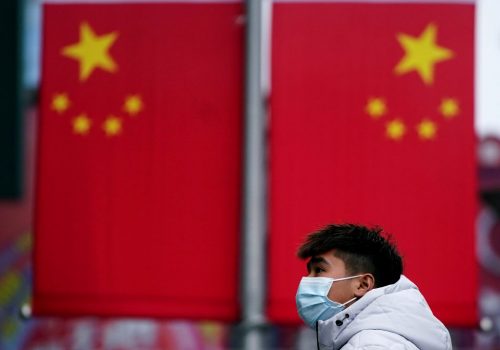
Peering Around the Corner: The Geopolitics of Coronavirus
By
Atlantic Council
On February 11, 2020 the DFRLab hosted "Peering Around the Corner: The Geopolitics of Coronavirus," a timely series of panels on the potential geopolitical and economic consequences of Coronavirus, and how misinformation about the crisis may influence its impact.
Program Impact Story
Feb 6, 2020
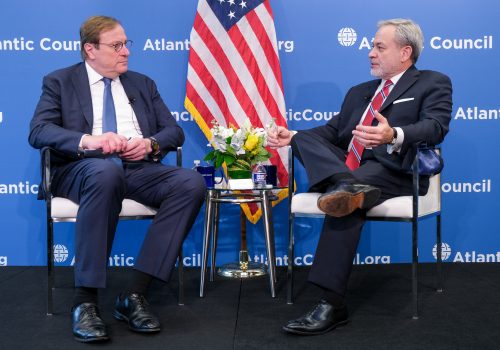
US energy priorities abroad: A conversation with US Secretary of Energy Dan Brouillette
By
Global Energy Center
On Friday, February 7, 2020, the Atlantic Council hosted newly appointed US Secretary of Energy Dan Brouillette for a public address and moderated discussion about US government energy priorities abroad.
Latest commentary and analysis
UkraineAlert
Nov 5, 2026
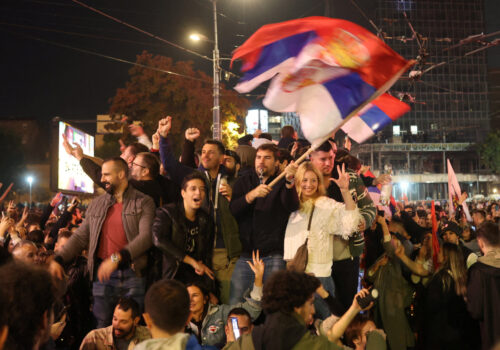
Putin suffers Balkan setbacks as Russia struggles to retain influence
By
Michael Getto
Russia’s recent setbacks in the Balkans are a reminder of the foreign policy challenges facing the Kremlin as the full-scale invasion of Ukraine approaches a sixth year with no end in sight, writes Michael Getto.

UkraineAlert
Nov 5, 2026
Last week’s brief Ukraine ceasefire did not stop Russian attacks on civilians
By
Kristina Hook
A recent humanitarian ceasefire around the southern Ukrainian city of Oleshky made it possible to evacuate hundreds of residents, but Russian attacks on civilians elsewhere in Ukraine continue, writes Kristina Hook.

Latest in-depth research and reports

Issue Brief
Nov 6, 2026
To settle Russia’s Ukraine war, Europe needs to let Kyiv in. Trump can help (really).
By
James Batchik, Andrew D’Anieri
Any deal to end the war in Ukraine must fix a date for Kyiv to join the EU, but countless hurdles stand in the way. Washington has the leverage to help Brussels clear them—if it can use that leverage in a new way.

Report
Nov 3, 2026
Religion as statecraft: What a decade of research reveals about the geopolitics of religious soft power
By
Peter Mandaville
The post-Cold War assumption that international politics was converging toward a secular liberal framework in which religion would play at most a marginal role has not survived contact with the evidence. From China to Turkey to Saudi Arabia and Russia, states are integrating religion into their foreign policy in strategically significant ways.

Issue Brief
Nov 2, 2026
How to prevent an energy quarantine of Taiwan
By
Joseph Webster
An all-of-the-above energy strategy in Taiwan can help the United States and allies deter a Chinese energy quarantine of the island.