Nuclear Deterrence

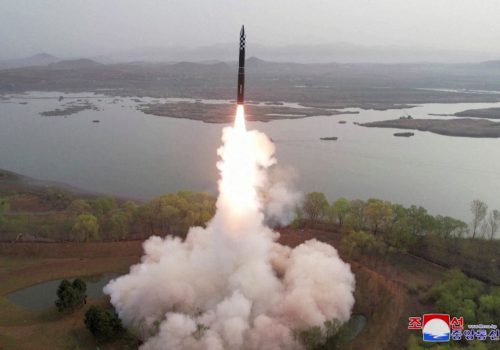
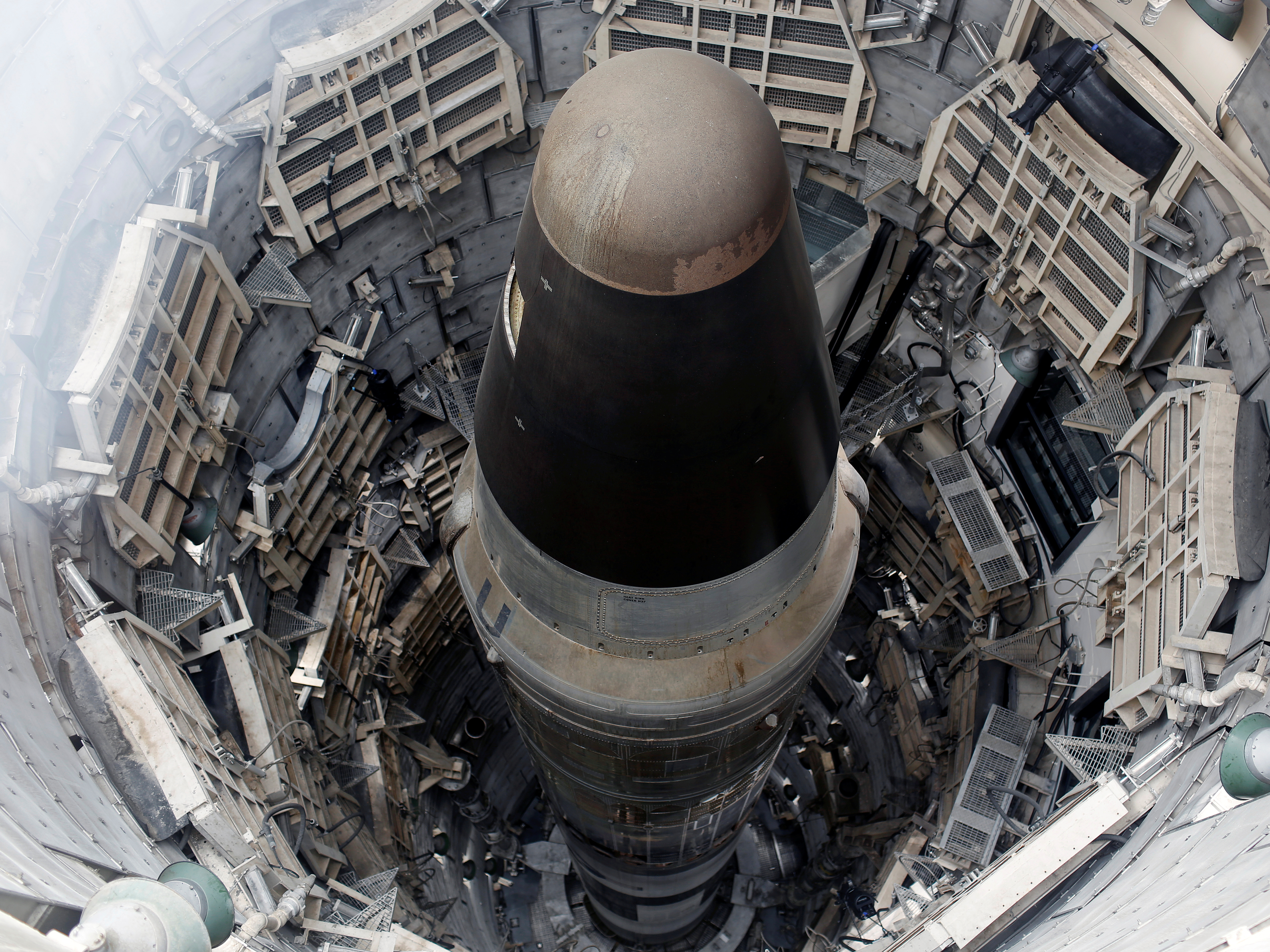
The specter of Russian tactical nuclear de-escalation strikes, more sophisticated Chinese ballistic-missile submarines, and intercontinental North Korean capabilities all raise the stakes for nuclear deterrence. US policy makers must decide which nuclear posture will allow the United States to credibly deter nuclear war while assuring its allies and partners across the globe.
Content
In the News

Apr 28, 2023

<strong>Garlauskas, Whitlark, and Taylor in <em>Breaking Defense</em></strong>

On April 27, Markus Garlauskas, FD Nonresident Senior Fellow Rachel Whitlark, and IPSI Nonresident Fellow Jessica Taylor were featured in Breaking Defense for their comments in an Atlantic Council “Experts React” on a US-ROK nuclear-armed alliance.

Korea Nuclear Deterrence

In the News

Apr 28, 2023

<strong>Taylor in <em>i</em></strong>

On April 28, IPSI Nonresident Fellow Jessica Taylor was featured in i news discussing the future of cooperative decision making with South Korea on nuclear deterrence as US elections approach.

Korea Nuclear Deterrence

In the News

Apr 28, 2023

<strong>Garlauskas in <em>Politico</em></strong>

On April 27, Markus Garlauskas was featured in Politico for his remarks on confusion surrounding President Yoon’s comments that the United States had promised to employ nukes in order to defend South Korea from a North Korea nuclear attack. Markus suggested, “It’s helpful to add a little bit of clarity to declaratory policy.” 

Korea Nuclear Deterrence

In the News

Apr 28, 2023

<strong>Garlauskas in <em>WSJ</em></strong>

On April 27, Markus Garlauskas was quoted in The Wall Street Journal in relation to the nuclear issues surrounding the US-South Korea summit, noting that “North Korea has increasingly asserted its nuclear status as nonnegotiable and developed capabilities to make that a reality.” 

Korea Nuclear Deterrence

New Atlanticist

Apr 27, 2023

Not every North Korean missile needs a response. South Korea and the US should focus more on readiness and deterrence.

By Jessica Taylor

The nuclear collaboration announced by the US and South Korean presidents this week is the type of strategic measure the allies need to focus on, rather than a reactive approach.

East Asia Indo-Pacific

Fast Thinking

Apr 27, 2023

The day the US-South Korea alliance became truly nuclear-armed

By Atlantic Council

What does the Washington Declaration mean for the alliance, and how will it play in Seoul? Will the pact hold together in the long run? Our experts weigh in.

Indo-Pacific Korea

New Atlanticist

Apr 26, 2023

Experts react: The US and South Korea strike a deal on nuclear weapons. What’s next for the alliance?

By Atlantic Council experts

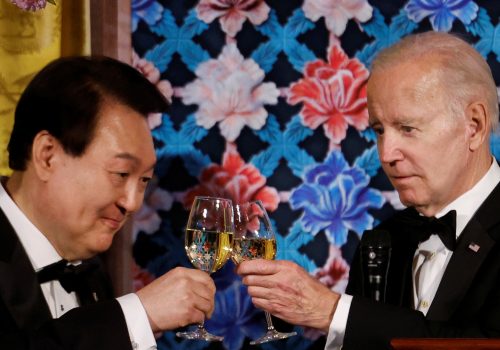
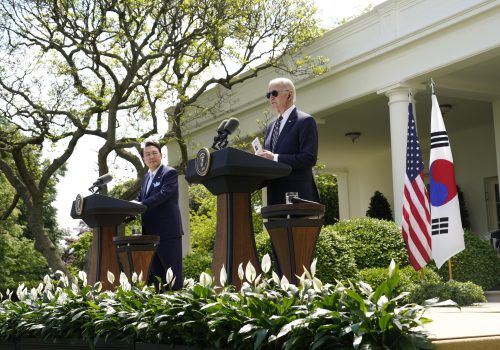
US President Joe Biden and South Korean President Yoon Suk Yeol are navigating political tensions around nuclear weapons and microchips to find a common future.

Indo-Pacific Korea

UkraineAlert

Apr 20, 2023

There can be no lasting peace with Russia until Ukraine liberates Crimea

By Mariia Zolkina

Some skeptics question the feasibility and wisdom of a military campaign to de-occupy Crimea, but no lasting peace with Putin's Russia will be possible until the Ukrainian peninsula is liberated, argues Mariia Zolkina.

Conflict Defense Policy

Memo to...

Apr 13, 2023

Memo to NATO leaders

NATO’s upcoming Vilnius summit has to produce more than a rhetorical expression of support for Ukraine. Allied leaders must leverage the opportunity to drive forward a NATO defense and deterrence posture that underscores NATO’s resolve to support Ukraine and begins the process of fully integrating Ukraine within the transatlantic community, including as a NATO member.

Conflict Europe & Eurasia

UkraineAlert

Apr 10, 2023

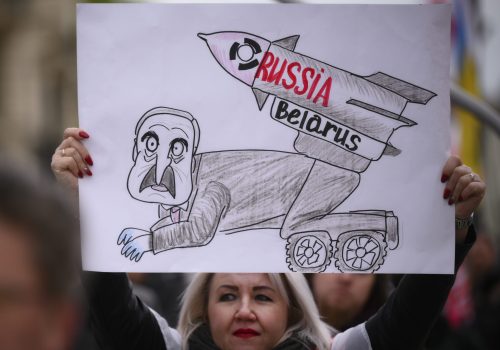
Russian nukes in Belarus: Putin’s creeping annexation continues

By Hanna Liubakova

Putin's plan to place nukes in Belarus has been widely interpreted as as an escalation in his ongoing nuclear saber-rattling tactics but it will also greatly strengthen the Russian dictator's grip over the neighboring country.

Belarus Conflict

Experts