Terrorism

The use of indiscriminate violence against civilians and soft targets causes immense human suffering, sows fear within societies, damages public trust in authorities, and can produce extremist responses. Whether motivated by political, religious, economic, or social grievances, the use of terror by state-aligned and non-state actors poses an elevated threat for societies around the world as it can be perpetuated by both sophisticated international networks and single “lone-wolf” assailants. To prevent terrorism and limit its effects, governments need to adopt an array of solutions from dismantling terrorist networks to addressing the root grievances which fuel terrorist ideology.

Content
Fast Thinking

Jul 14, 2021

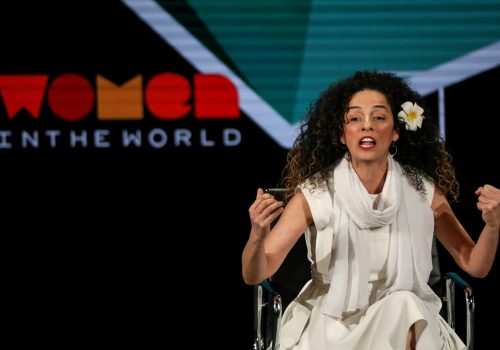
FAST THINKING: The geopolitics of Iran’s kidnapping plot

By Atlantic Council

How should the United States respond to a kidnapping plot on American soil? And what do the revelations mean for sensitive nuclear negotiations with Tehran? Our Iran experts are on the case.

Human Rights Iran

In the News

Jul 9, 2021

Atlantic Council mentioned in DefenseOne on an interview at the Council with Kevin Baron

Arms Control Conflict

Fast Thinking

Jun 28, 2021

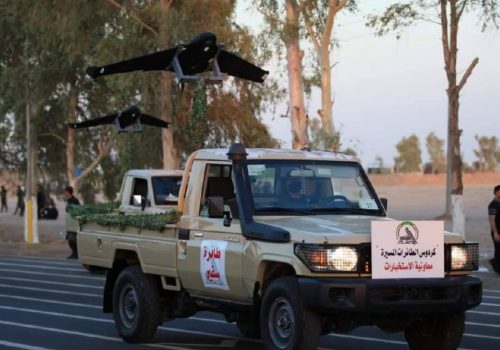
FAST THINKING: What Biden’s airstrikes left behind

By Atlantic Council

What does this mean for the future of drone warfare and the US military presence in Iraq? Our experts sort through the fallout.

Conflict Iran

In the News

Jun 24, 2021

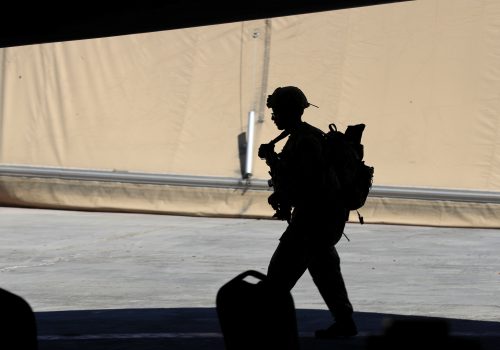
Preble in Responsible Statecraft: Time to bring all U.S. troops home from the Middle East

By Atlantic Council

On June 24, Christopher Preble’s “Demolishing tired assumptions about the US military posture” was featured in Responsible Statecraft’s symposium on withdrawing US troops from the Middle East. “Today, those who believe that ensuring the flow of Middle Eastern oil is a vital U.S. interest are prepared to expend considerable resources — and risk the lives […]

Defense Policy English

Reality Check

Jun 24, 2021

Reality Check #8: Rethinking US military policy in the Greater Middle East

By Robert A. Manning, Christopher Preble

The core assumptions underpinning US policy in the Middle East—ensuring oil flows, maintaining Israel’s security, preventing the rise of a dominant hegemon, and countering terrorism—have been upended by new realities.

Conflict Defense Policy

In the News

Jun 18, 2021

Sales quoted in the Washington Times on the dangers of terrorist groups potentially controlling new territories in Afghanistan

By Atlantic Council

Afghanistan Middle East

In the News

Jun 17, 2021

Warrick in DefenseOne: “The Domestic Counterterrorism Strategy Is a Good Start—But Needs More”

By Atlantic Council

Extremism Security & Defense

In the News

Jun 14, 2021

Grieco in International Politics: Can drones coerce?

By Atlantic Council

On June 14, Grieco was featured in International Politics, in which she coauthored an article with J. Wesley Hutto analyzing the coercive effect of remote warfare. “While drone technologies can effectively degrade organizational capabilities and impose significant costs, they complicate the tasks of signaling clear and credible threats and assurances of restraint. Persistent surveillance combined […]

Drones English

In the News

Jun 14, 2021

Sales quoted in Le Point on Hezbollah and France

By Atlantic Council

Defense Policy Extremism

In the News

Jun 10, 2021

Sales quoted in Wall Street Journal on ISIS families

By Atlantic Council

Europe & Eurasia Extremism

Experts