
Iraq

The United States and Iraq are strategically tied through mutual interests related to the stability and security of the region. Iraq plays an important role in securing energy resources, combating extremist groups such as ISIS, and managing regional tensions. In the aftermath of the US invasion in 2003, Iraq continues to face significant challenges in attracting investment, improving governance and service delivery, balancing relations with its neighbors, and raising the quality of life of everyday Iraqis. A strong US-Iraqi relationship depends on continued cooperation on security, economic and regional affairs.

Programs

The Iraq Initiative provides transatlantic and regional policy makers with unique perspectives and analysis on the ongoing challenges and opportunities facing Iraq as the country tries to build an inclusive political system, attract economic investment, and encourage a vibrant civil society.

Top experts

Content

In the News

Mar 19, 2020

Kadhim joins the Arab Center in Washington DC to discuss Iraq’s current and future politics

By Atlantic Council

Iraq Politics & Diplomacy

New Atlanticist

Mar 17, 2020

Another prime minister nominee in Iraq: Will this one take?

By Abbas Kadhim

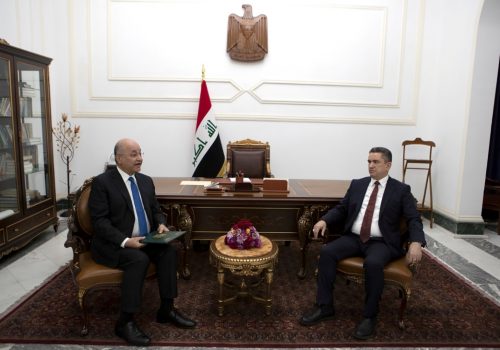
Al-Zurfi's success will depend on the Kurds and the Sunnis, whose opposition destroyed the chances of the previous nominee. For the Kurdish and the Sunni blocs, it is not a matter of whether Al-Zurfi is able to meet the governance challenges, but rather a question of if he will undertake enough political bargaining and ethno-sectarian apportionment of political positions that come with perks. Al-Zurfi will have to calculate how much he can give them to keep a semblance of legitimacy for his government.

Corruption Democratic Transitions

New Atlanticist

Mar 12, 2020

Strike on Iraqi base kills US and Coalition soldiers: How will the US respond?

By Atlantic Council

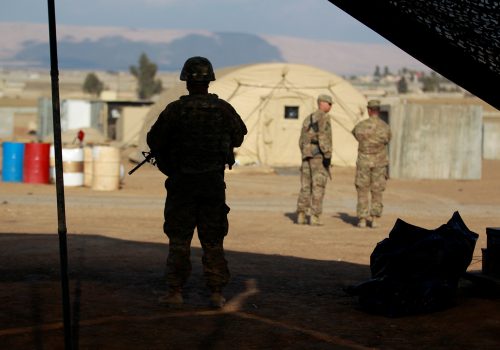
“The attack on Camp Taji is another sign that Iraq is returning slowly to the pre-2011 insurgency,” Abbas Kadhim says. “The Iraqi government is unfortunately incapable of controlling the various armed groups that have the ability to strike anywhere they want inside the country.”

Conflict Iraq

New Atlanticist

Mar 6, 2020

Allawi withdraws PM nomination: Opportunities in Iraq despite the dysfunction

By C. Anthony Pfaff

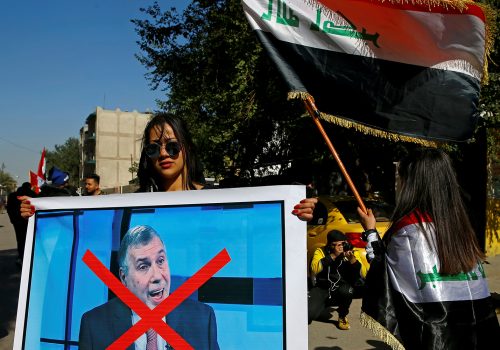
As dysfunctional as Iraq’s democracy can be, it is still a democracy and even the Iranian-backed political parties have to pay attention to the will of their various constituencies. This point means that an energized protest movement can help bring about conditions more favorable to Iraq’s recovery.

Democratic Transitions Iraq

In the News

Mar 4, 2020

Kadhim quoted in The Washington Post on Shiite Muslim cleric ­Moqtada al-Sadr’s influence in Iraq

By Atlantic Council

Iraq Politics & Diplomacy

MENASource

Feb 27, 2020

How Israel is used to delegitimize Iraq’s anti-government protests

By Seth Frantzman

Adversaries have accused Iraqi protesters of sedition and even tried to link them to the United States and Israel.

Iraq Middle East

New Atlanticist

Feb 24, 2020

Iraqi MP: Continued protests provide opportunity for real reform

By Kyle Thetford

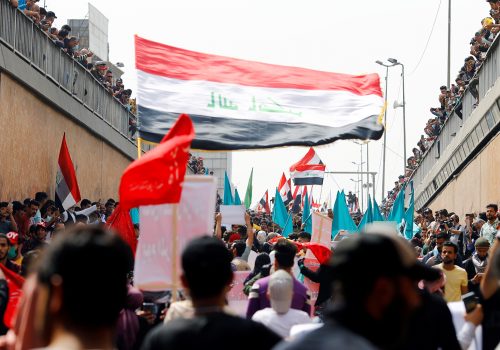
The massive protests that have rocked Iraq since October 2019 and have brought down one government have also given the new prime minister designee a unique opportunity to overcome vested interests and deliver meaningful reform, according to Iraqi Council of Representatives Member Sarkawt Shamsulddin.

Democratic Transitions Iraq

In the News

Feb 18, 2020

Kadhim quoted in the Associated Press on Shiite cleric al-Sistani

By Atlantic Council

Iraq Middle East

MENASource

Feb 7, 2020

Why Arab Sunnis are disengaged from Iraq’s protests

By Tamer Badawi

If Sunni politicians and powerful tribal chiefs back an upheaval in Arab Sunni areas, they would risk losing the political and economic gains realized by their alliance with Iran-backed political powers and could face repression and marginalization.

Iraq Middle East

Report

Feb 6, 2020

Withdrawal deadlines in war: Vietnam, Iraq, and Afghanistan

By Paul D. Miller

Withdrawal timetables do not achieve the political benefits that policymakers desire, but they do incur the risks policymakers rightly fear.

Afghanistan Conflict

Experts

Events