Atlantic Council blogs

Atlantic Council blogs provide short-form analyses from Council experts and a wider community of global voices on the world’s most important news stories.
View all
of our blogs
Subscribe to our
newsletters

Latest from across our blogs

SouthAsiaSource

Jun 2, 2022

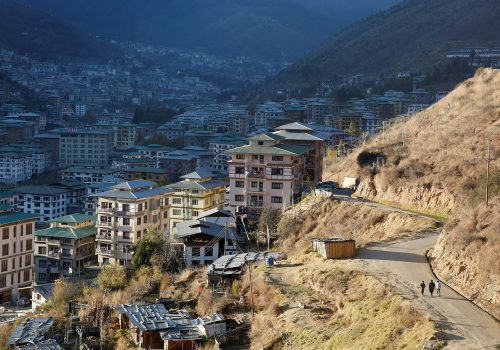
Event recap: “An interview with H.E. the Prime Minister of Bhutan, Dr. Lotay Tshering”

By Atlantic Council

On May 23, 2022, the Atlantic Council’s South Asia Center welcomed His Excellency the Prime Minister of Bhutan, Dr. Lotay Tshering, for a conversation on Bhutan’s economic, environmental, and foreign policy strategies. The interview was conducted by Dr. Irfan Nooruddin, Senior Director of the Atlantic Council’s South Asia Center, and Dr. Rudabeh Shahid, non-resident senior fellow at the Atlantic Council’s South Asia Center.

Economy & Business Energy & Environment

IranSource

Jun 2, 2022

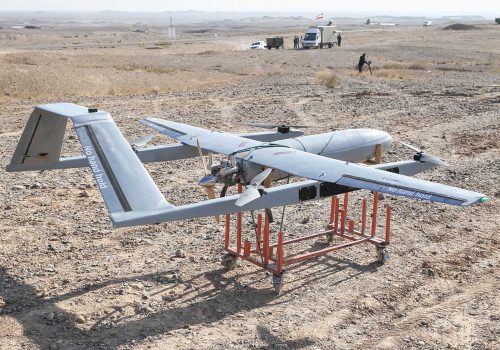
How Russia’s invasion of Ukraine is shaping national security debates in Iran

By Sina Azodi

With the future of talks in limbo, the Ukraine war has brought the debates over the future of Iran’s national security strategy to the fore once again.  

Iran Middle East

New Atlanticist

Jun 2, 2022

Central banks are embracing digital currencies. Will the US lead or follow?

By Ananya Kumar, Josh Lipsky

Six takeaways from our new research on fiat-based digital assets around the world and what they'll mean for your wallet.

China Digital Currencies

BelarusAlert

Jun 1, 2022

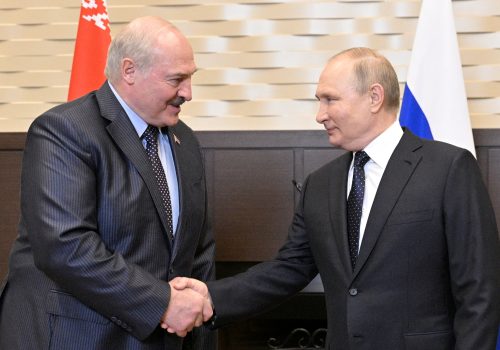
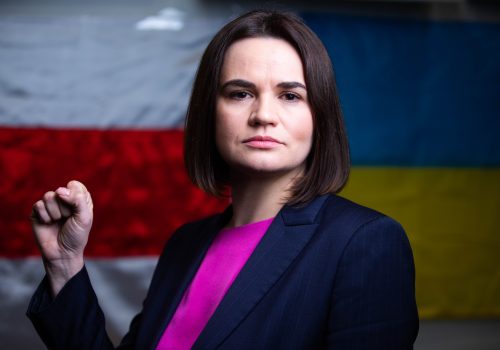
Putin’s Black Sea blackmail sets stage for Belarus “deal with the devil”

By Brian Whitmore

Western leaders are desperate to resolve a global food crisis sparked by Russia's Black Sea blockade of Ukrainian grain exports but sending shipments via Belarus would mean rewarding Putin's only ally Alyaksandr Lukashenka.

Belarus Conflict

SouthAsiaSource

Jun 1, 2022

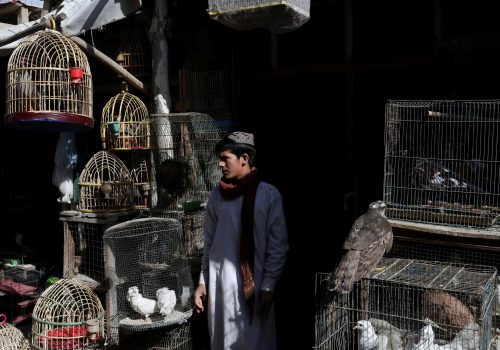
Afghanistan’s security crisis and implications

By South Asia Center

The Atlantic Council’s South Asia Center brings together a panel of experts to discuss Afghanistan’s security implications and the country's future.

Afghanistan Politics & Diplomacy

SouthAsiaSource

Jun 1, 2022

Experts react: Biden’s new Indo-Pacific Economic Framework

By Atlantic Council

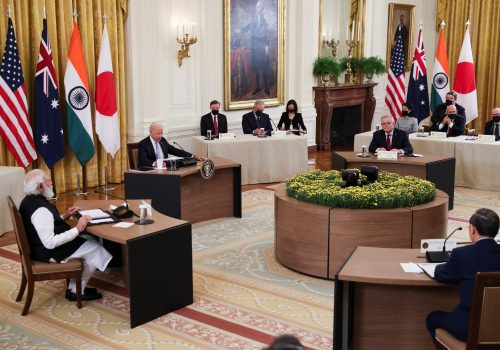
Introduced during Biden’s first Asian tour in Japan earlier this week, the Indo-Pacific Framework, or IPEF, is a US-led framework for an economic partnership between members of the Quad along with  Brunei, Indonesia,  Malaysia, Philippines, Singapore, Thailand, Vietnam, South Korea, and New Zealand. The framework is a means for the countries to solidify their relationship and engage in economic and trade matters concerning the Indo-Pacific region. The IPEF comes five years after the US withdrawal from the Trans-Pacific Partnership and is seen as a means to counter China’s dominance in the region and reassert American influence.    

Digital Policy Economy & Business

IranSource

May 31, 2022

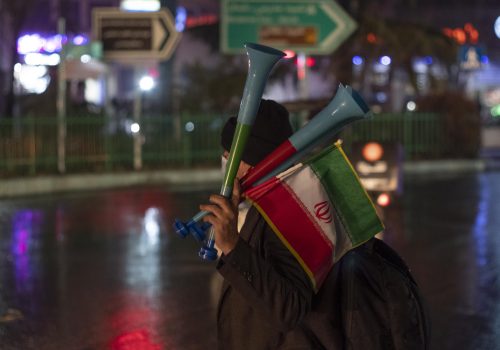
Canceled soccer ‘friendly’ reinforces Canada-Iran enmity

By Abbas Qaidari

The soccer match between Iran and Canada was an opportunity to repair the damage, but it is now just another missed opportunity.

Iran Middle East

EnergySource

May 31, 2022

Obscured by the energy crisis, a food crisis unfolds

By Reed Blakemore, Maia Sparkman

Efforts to grapple with an energy crisis brought on by Russia's invasion of Ukraine have drowned out a similar emergency facing global food supply. Food security, already being impacted by the adverse effects of climate change, cannot be forgotten as the world pursues a transition to net-zero.

Energy & Environment Geopolitics & Energy Security

MENASource

May 31, 2022

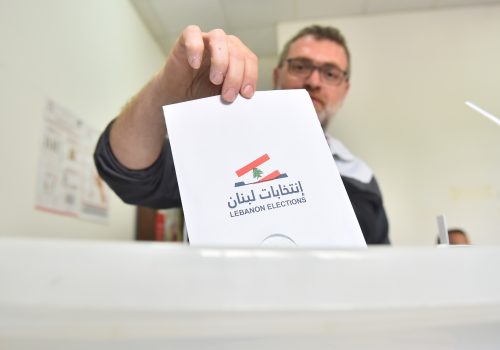
Lebanon just had an election. Its result? Curb the optimism.

By David Daoud

Lebanon desperately needs genuine economic reforms to even halt its ongoing collapse. Political reform is a necessary precondition to establishing a sustainable economy. Neither are more likely today than under the previous parliament.

Elections Lebanon

BelarusAlert

May 31, 2022

From White Russia to Belarus: Norway snubs Kremlin with name change

By Peter Dickinson

Norway has announced that it will now use the name “Belarus” instead of “Hviterussland” (literally “White Russia”) in a move reflecting growing awareness that Belarus should not be viewed through a Russian lens.

Belarus Democratic Transitions