New Atlanticist

Exclusive expert insight, real-world impact.

Stay updated

Subscribe to our daily newsletter to receive the best expert intelligence on world-changing events

Explore our unique analysis

Content

New Atlanticist

Aug 5, 2020

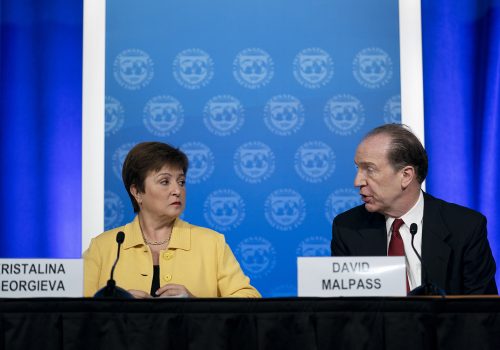
The IMF, the World Bank, and South Asia in the face of COVID-19

By Capucine Querenet

Given the region’s deteriorating economic outlook, heavy funding from International Financial Institutions (IFIs) is crucial to prevent a prolonged public health crisis and financial woes. Unfortunately, this has not yet materialized.

Coronavirus International Financial Institutions

New Atlanticist

Aug 5, 2020

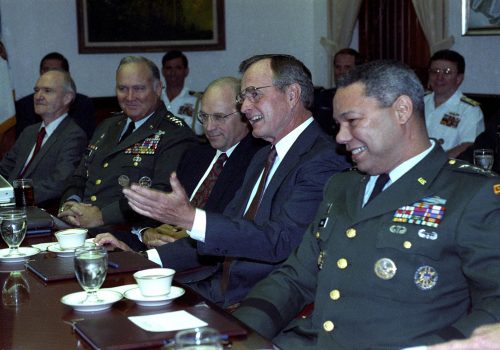
Thirty years after Iraq invasion of Kuwait, lessons for the US today

By Harlan Ullman

A retrospective look at Shield/Storm is applicable to the current National Defense Strategy and its mandate to deter and—if war comes—defeat an array of potential adversaries

National Security Security Partnerships

New Atlanticist

Aug 4, 2020

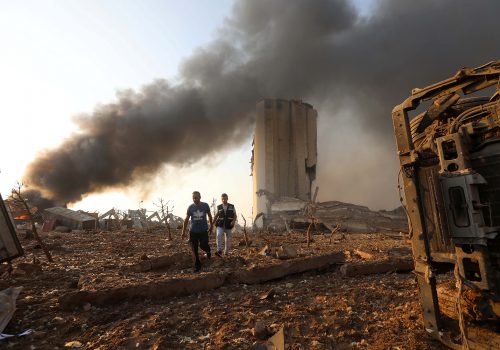
Scenes from a broken Beirut

By Nicholas Blanford

My apartment was heavily damaged by the explosion. All the windows were gone, the frames blasted out, even on the other side of the building from the explosion. I spoke to friends and colleagues in the area. They all have tales about calamities, material and personal, that have befallen them.

Lebanon Middle East

New Atlanticist

Aug 4, 2020

Extreme heat: What can be done to stop this “silent killer”?

By Kathy Baughman McLeod

While extreme heat is one of the planet’s clearest signals of global warming—last year was the world’s second hottest since 1880—it remains an invisible threat: a “silent killer” lurking in relatively clear view.

Climate Change & Climate Action Resilience

New Atlanticist

Aug 4, 2020

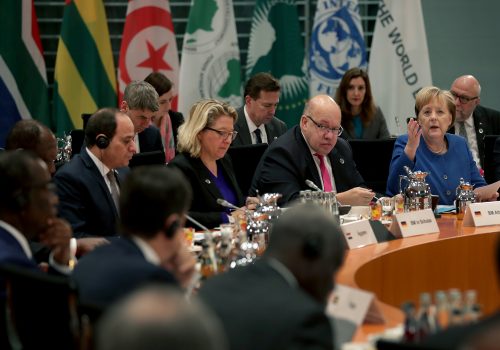
As COVID-19 spreads, Africa needs another “London Moment”

By Vasuki Shastry and Jeremy Mark

Last month’s Group of Twenty (G20) finance ministers’ meeting proved that the international community is too cautious about helping Africa in its time of need. Is the G20 prepared to face the consequences of its inaction?

Africa Coronavirus

New Atlanticist

Jul 31, 2020

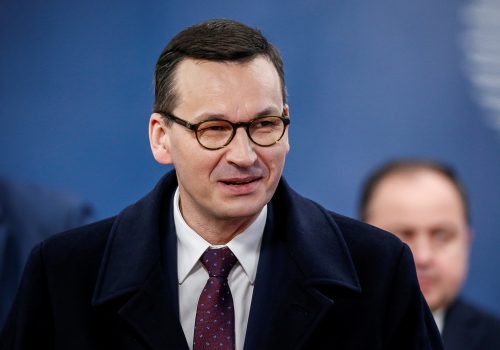
Polish PM calls for transatlantic unity on troop deployments and China

By David A. Wemer

Speaking at an Atlantic Council Front Page event, Morawiecki argued that “the NATO alliance is so important for the world to keep peace,” that allies must continue to work toward “consensus” in their actions.

Coronavirus European Union

New Atlanticist

Jul 30, 2020

The foreign worker freeze will not solve high US unemployment

By Amy Jeon

The administration’s restrictive approach to immigration cannot be attributed to the pandemic economy alone, as evidenced by sweeping measures even before COVID-19, including historically low refugee admission numbers and increased penalties for asylum seekers. The freeze will also likely do more harm than good to the US economy.

Coronavirus Inclusive Growth

New Atlanticist

Jul 30, 2020

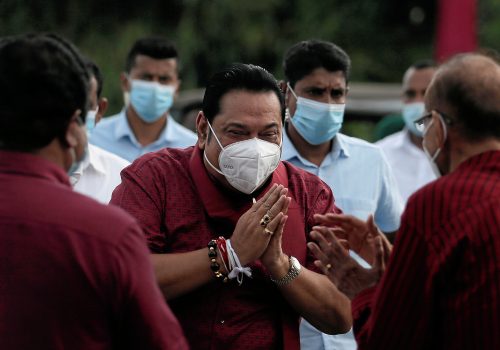
Sri Lanka’s parliamentary elections will shape its political future—likely for the worse

By Phillip Baumgart

With complications from the coronavirus pandemic, during which the Sri Lankan election commission has struggled to ensure that voting will be free, fair, and safe for all, the twice-delayed election may favor President Gotabaya Rajapaksa’s party, allowing it to strike down a significant constitutional amendment and move Sri Lanka further into China’s orbit of influence.

Coronavirus Elections

New Atlanticist

Jul 29, 2020

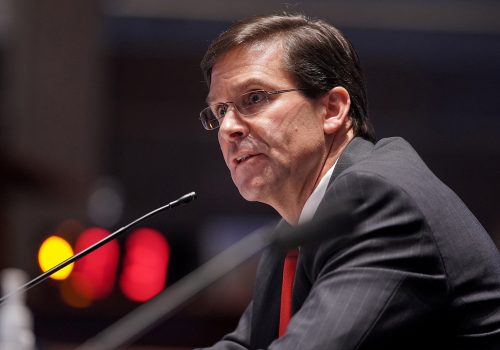
Experts react: US announces plans for troop withdrawal from Germany

By David A. Wemer

“There may be a strategic case for the withdrawal of almost 12,000 US troops from Germany, but Secretary of Defense Esper’s announcement today does not make it," Daniel Fried says.

Defense Policy Germany

New Atlanticist

Jul 29, 2020

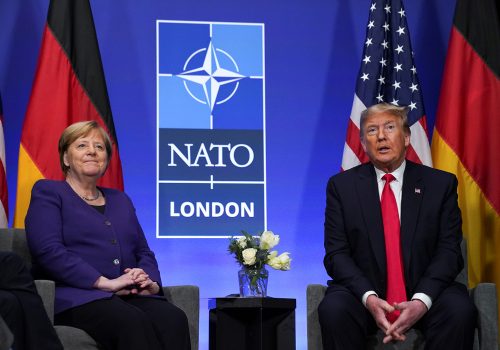
What hurts NATO the most is not the troop reductions. It’s the divisive approach to Europe.

By Olivier-Rémy Bel

At the end of the day, the strength of the Alliance lies less in the number of troops deployed than in the trust among allies. Rebuilding that trust should be the main task of those who care about transatlantic relations—and the first step might be restoring the predictability of American foreign policy.

Defense Policy Germany