Category: Blogs

Content

IranSource

Jan 17, 2020

To help the Iranian people, reverse tech sanctions ASAP

By Azin Mohajerin

US sanctions were a gift to the Iranian government. As a result of the sanctions, the Iranian government was able to build its national intranet despite massive public disapproval.

Iran Technology & Innovation

UkraineAlert

Jan 16, 2020

Startup culture in a frontline city

By Diane Francis

1991 Mariupol is a new startup hub located a stone's throw away from the frontlines of Ukraine's undeclared war with Russia. Can tech innovation create opportunities for young Ukrainians facing an uncertain future due to Kremlin aggression?

Education Technology & Innovation

New Atlanticist

Jan 16, 2020

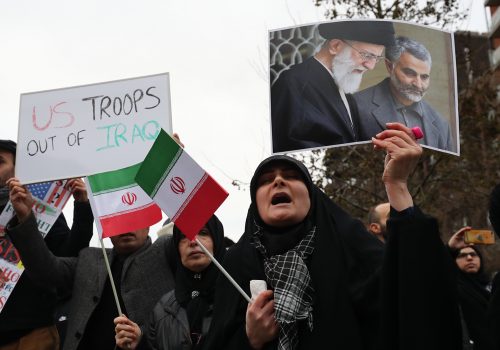
The effect of US sanctions on the Iran-Iraq alliance

By Michael Greenwald

The potential sanctions against Iraq under consideration now could damage the United States’ goals in that country and would only embolden Iran’s position—the exact scenario that US policy has tried to avoid. Economic countermeasures, such as restrictions to Iraq’s Federal Reserve accounts—could not only cede economic clout within Iraq to Tehran but could also have significant impact on the US dollar's global position.

Financial Sanctions and Economic Coercion

MENASource

Jan 16, 2020

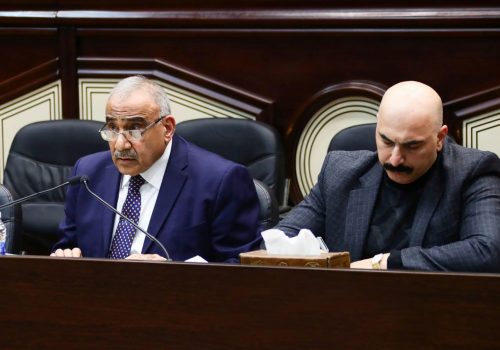
Consequences of Iraq’s vote to end Coalition troop presence

By Rend Al-Rahim

The parliament’s vote on January 5 was driven by emotional rhetoric of sovereignty and patriotism that left no space for dissent and implicitly accused anyone going against the current of betraying Iraq’s sovereignty. The vote displayed majoritarian rule at its worst with the underlying premise that the Shia religious groups can and will determine the interests of Iraq and determine its future, to the exclusion of other communities. The views of Kurds and Sunnis, and indeed of more secular Shia groups, were ignored, with the implication that their patriotism is suspect.


Conflict Iraq

Long Take

Jan 16, 2020

Think again

By John E. Herbst

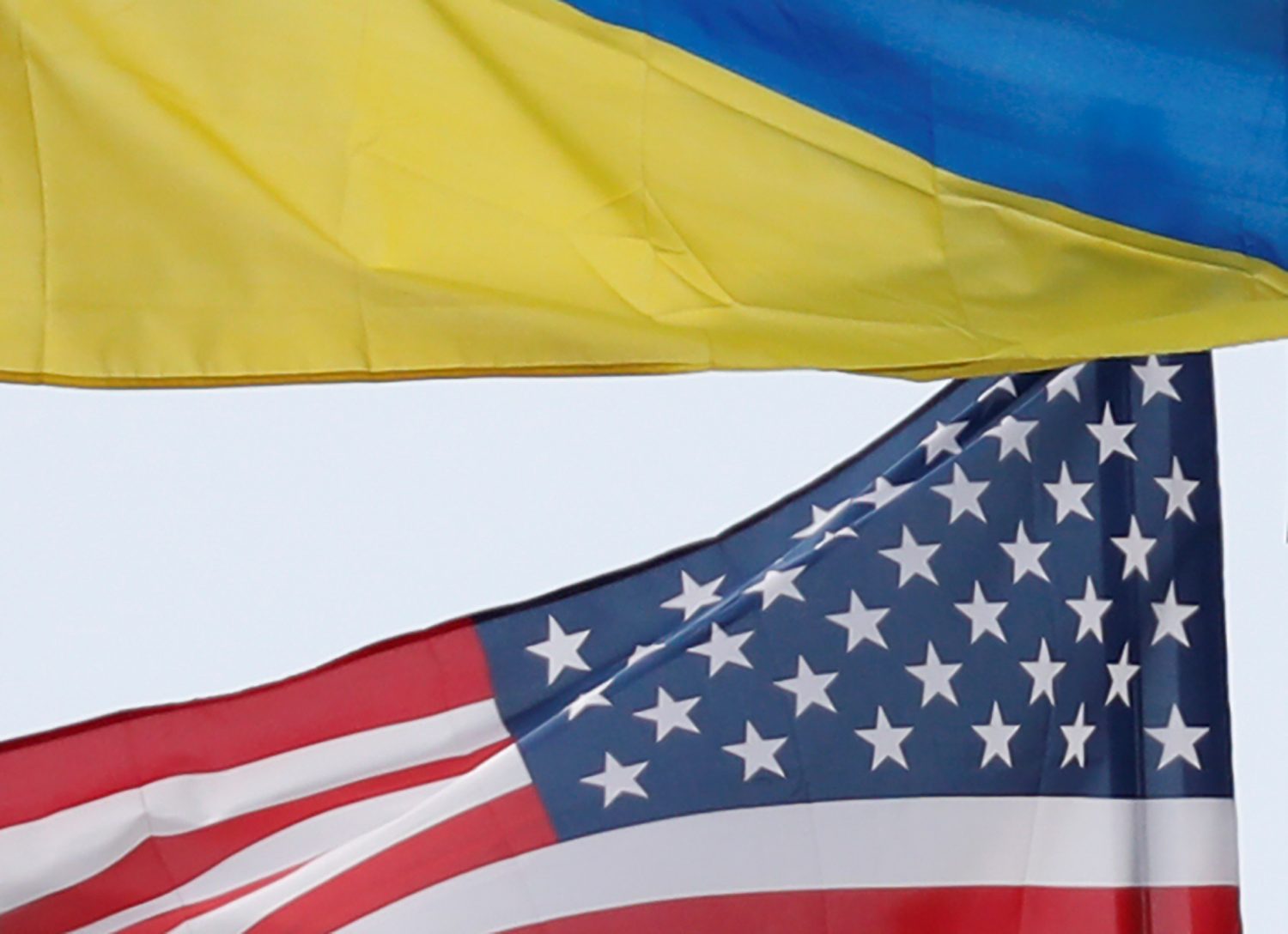
In a recent National Interest article, George Beebe dismisses US policy on Ukraine as “steeped in illusions” and argues for a “sensible alternative.” It is a nice try, but what he comes up with does not pass muster.

Conflict NATO

UkraineAlert

Jan 15, 2020

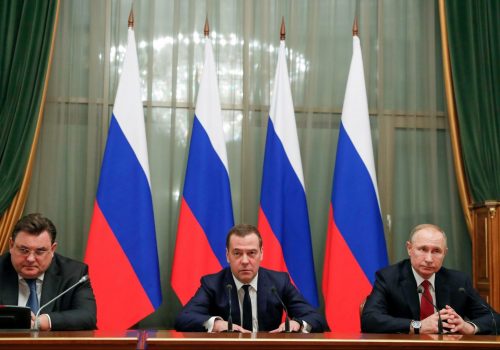
Putin makes changes as Russia stagnates

By Michael Newton

With Putin’s presidential term set to end in 2024 and parliamentary elections to take place in late 2021, Medvedev’s resignation and Putin’s proposed changes come at a time when the Russian president is looking to secure a possibly uncertain political future.

Politics & Diplomacy Russia

UkraineAlert

Jan 15, 2020

Zelenskyy’s vision for Ukrainian national identity

By Bohdan Nahaylo

Ukrainian President Volodymyr Zelenskyy’s New Year 2020 address to the nation was a bold call for unity at a time of acute sensitivity towards issues of national identity - but is Ukraine ready to embrace diversity with country still facing an existential threat from ongoing Russian aggression?

Politics & Diplomacy Ukraine

AfricaSource

Jan 15, 2020

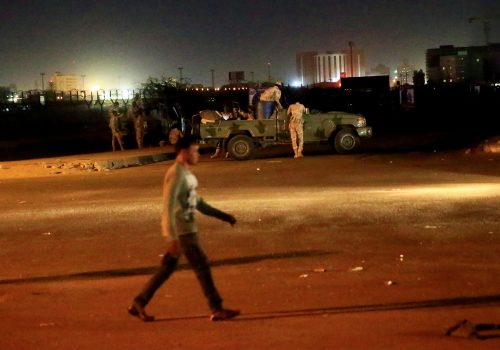
Sudan’s uncertain road ahead

By Cameron Hudson

Nearly six months in, the governing bargain between civilians and security forces seems to be holding strong, but there has been little concrete progress towards determining which side will emerge as the dominant actor at the end of the transition. That means that there is ongoing uncertainty over who ultimately is in charge, not only today, but well into the future. And uncertainty over what the political future will be means uncertainty over whether – and which – people will have jobs and the resources they need to support their families.

Africa Democratic Transitions

New Atlanticist

Jan 15, 2020

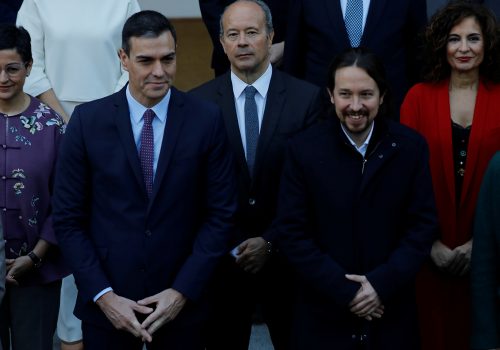
Spain’s new government a welcome sign, but Madrid must navigate several fault lines

By Antonio de Lecea

After two general elections in nine months, Spain finally has a government. But the new coalition is a fragile one that will have to deploy creative solutions to address fragmentation along three dimensions: political, territorial, and social. It will be challenging, but it may work.

Elections Politics & Diplomacy

New Atlanticist

Jan 15, 2020

At the beginning of 2020, what are the global risks and growth prospects for the Euro Area?

By Marc-Olivier Strauss-Kahn

After the high real growth of the EA in 2015 (averaging slightly more than 2% per year), growth in 2019-20 has been downgraded as several risks materialized. Furthermore, the balance of persistent global or domestic risks remain negative even if less than last year.

European Union Macroeconomics