Category: Blogs

Content

New Atlanticist

Jan 1, 2020

New low in US-Iraq relations: What’s next for 2020

By Abbas Kadhim

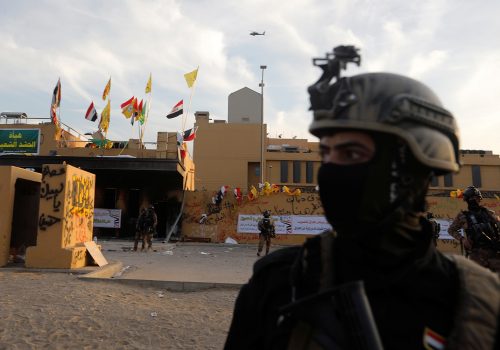
The attention on Iraq will shift away from the protesters and the reforms they are calling for to the “more newsworthy” events in the Green Zone and the aftermath of the attack on the US Embassy.

Conflict Democratic Transitions

New Atlanticist

Dec 31, 2019

US strikes in Iraq and Syria: Managing the escalation

By C. Anthony Pfaff

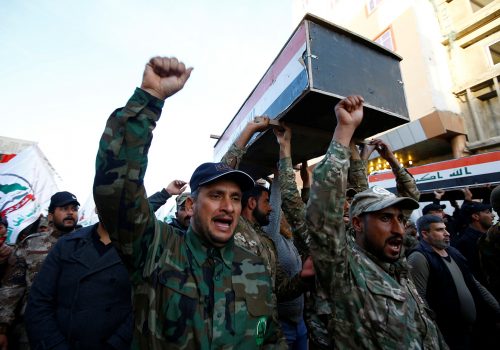
It is a very bad idea to turn Iraq into a battlefield (again). However, it is a worse idea to let Tehran use certain militias to continue to derail Iraq’s recovery, reconciliation, and reconstruction. It is certainly the case that the United States will have to accept a role for Iran in Iraq; however, the Iranians will likewise have to accept a role for the United States. If they do not, then the fault for turning Iraq into a battlefield lies with them.

Conflict Democratic Transitions

EnergySource

Dec 31, 2019

How accounting for the externalities of carbon would affect end products

By Jennifer T. Gordon

Given the urgent need to decarbonize all sectors of the US economy, one of the broadest policy options that could steer both energy production and consumption in the right direction is the notion of putting a price on carbon.

Energy Transitions Oil and Gas
Buildings downtown

EnergySource

Dec 30, 2019

Shadow carbon pricing: What corporations can do in the meantime

By Jennifer T. Gordon

There are any number of reasons for corporations to participate in sustainability efforts. One of the greatest contributions that corporations can make to a zero-carbon future is setting a “shadow” price on carbon by placing a dollar value on emissions and making carbon commitments and investment choices accordingly.

Climate Change & Climate Action Energy Transitions
Stock exchange

EnergySource

Dec 30, 2019

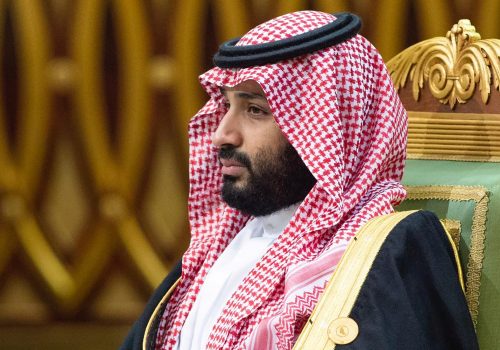
The Aramco IPO isn’t quite enough to realize MBS’s diversification ambitions

By Randolph Bell

After significant delays and a number of setbacks, Aramco finally listed shares representing 1.5 percent of the company’s total value on the domestic Tadawul exchange. The $25.6 billion that the IPO raised is nothing to scoff at, but it still is not enough to fully realize MBS’ ambitions. Where does the IPO go from here?

Energy Markets & Governance Energy Transitions

New Atlanticist

Dec 29, 2019

Experts react: United States retaliates against Iran-backed forces in Iraq and Syria

By Atlantic Council

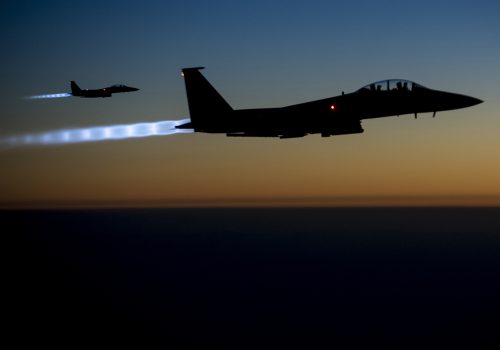
The United States launched a series of airstrikes against the Iranian-backed group Kata'ib Hezbollah in Iraq and Syria on December 29, 2019.

Conflict Iraq
Presidential debate stage

EnergySource

Dec 29, 2019

The reemergence of carbon pricing proposals

By Jennifer T. Gordon

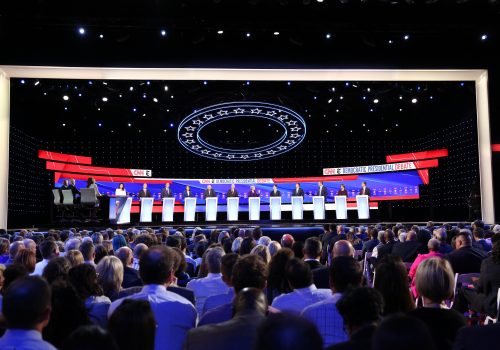
There is a growing political acceptance of carbon pricing, both on the Hill and among presidential hopefuls. However, carbon pricing is by no means inevitable—where does the conversation go from here?

Climate Change & Climate Action Energy Transitions

UkraineAlert

Dec 26, 2019

Russia-Ukraine War: Is peace possible in 2020?

By Peter Dickinson

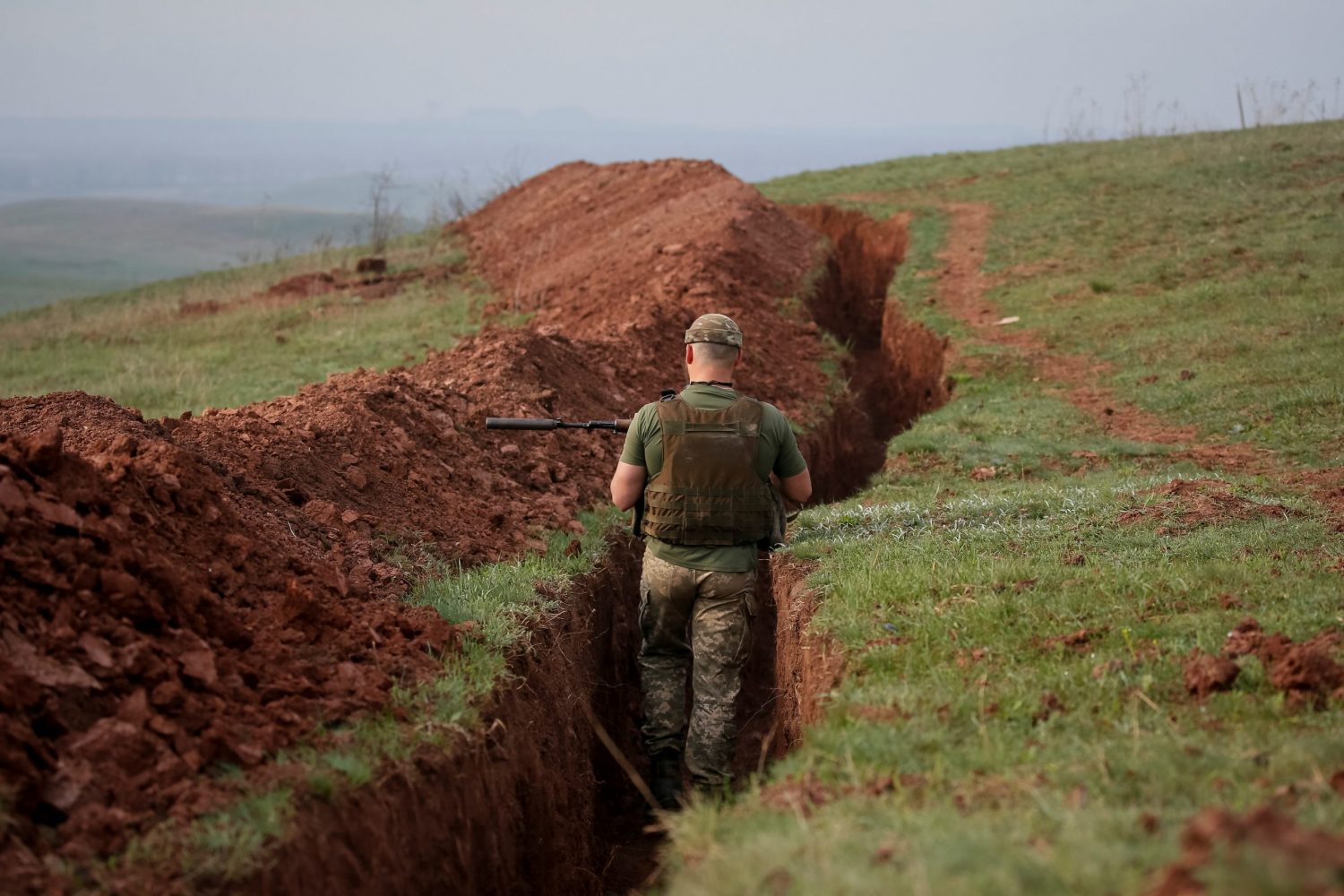
The Russia-Ukraine War enters its seventh year in 2020 with no sign of a compromise that could end the conflict. Could recent efforts to restart the peace process produce results during the coming twelve months?

Conflict Politics & Diplomacy

SyriaSource

Dec 24, 2019

The relentless assault on Idlib

By Reema Hibrawi

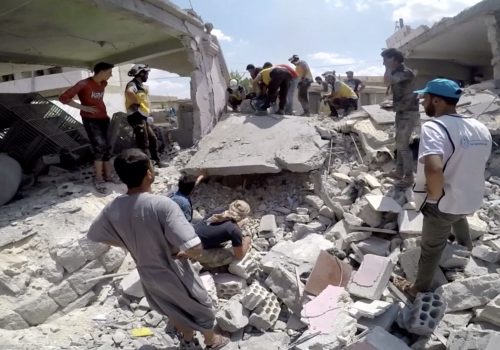
The relentless airstrikes campaign on Idlib by the Syrian regime and Russia air forces predicted by many analysts, including this author, remains a defining battlefield to the regime in the Syrian conflict, nine years later. Seen as a last opposition stronghold populated by extremists and a millions of civilians and internally displaced people (IDP), Idlib province and its surroundings are a deadly place.

Conflict Corruption

New Atlanticist

Dec 24, 2019

Saudi failure to convict Saud al-Qahtani is glaring

By Kirsten Fontenrose

For a purported lack of sufficient evidence, Saud al-Qahtani was not even brought to trial. This tells us one of three things: One, Saudi Arabia no longer values its relationship with the United States; two, the US intelligence community sees greater value in monitoring al-Qahtani’s activities than in seeing him imprisoned; or three, the Saudi court system is, impressively, more evidence-based than we knew.
Saudi Arabia