Insights and impact
About the Council
The Atlantic Council promotes constructive leadership and engagement in international affairs based on the Atlantic Community’s central role in meeting global challenges. The Council provides an essential forum for navigating the dramatic economic and political changes defining the twenty-first century by informing and galvanizing its uniquely influential network of global leaders. Through the papers we write, the ideas we generate, and the communities we build, the Council shapes policy choices and strategies to create a more secure and prosperous world.
Featured content
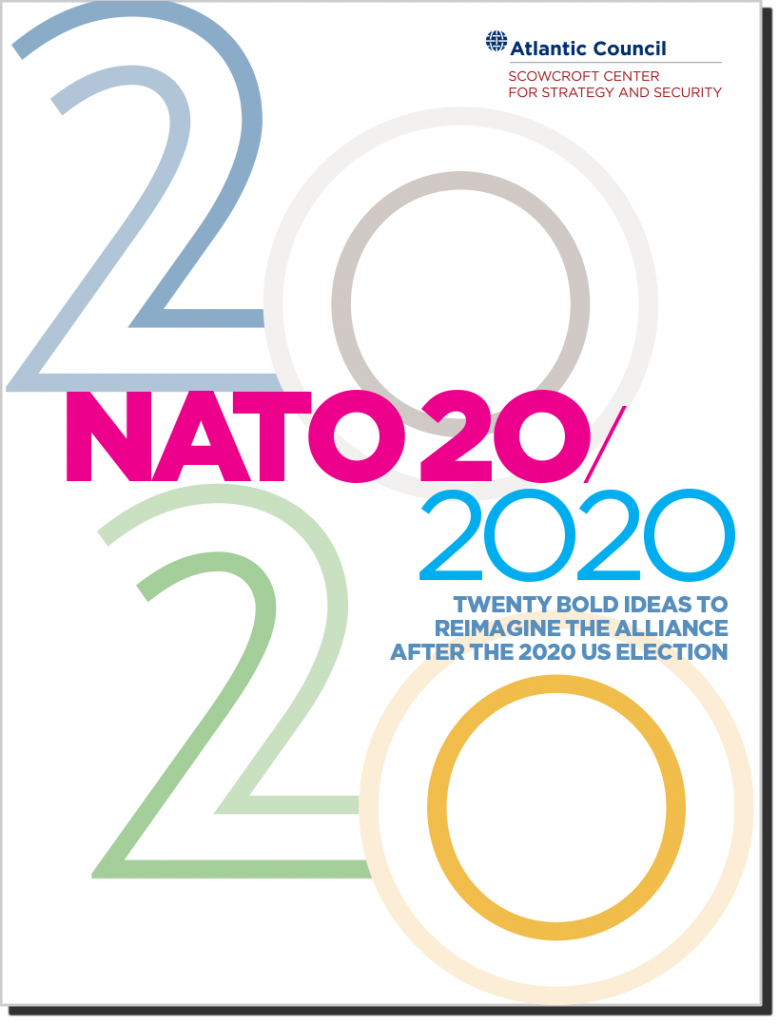
NATO 20/2020
Twenty bold ideas to reimagine the Alliance after the 2020 US election
More than two decades after NATO’s inspired decision to invite former adversaries to join its ranks, the Alliance is in need of equally captivating ideas. The essays in this volume are intended to push the Alliance to think boldly and creatively in the service of recapturing the public’s imagination.
Explore the podcast series
Making a difference
Learn more about the Atlantic Council’s insights & impact through these stories of how our regional and thematic programs are making a difference not only in shaping how we view global issues but also in shaping their outcome.
In the News
Dec 17, 2020
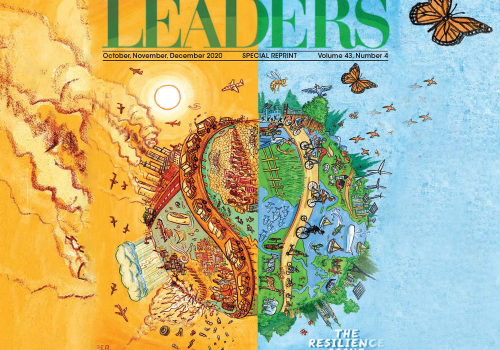
The Adrienne Arsht-Rockefeller Foundation Resilience Center partners with LEADERS Magazine to dedicate an entire issue to resilience
For its Fall/Winter issue of 2020, LEADERS Magazine, asked the Adrienne Arsht-Rockefeller Foundation Resilience Center to produce an issue dedicated to resilience. The Resilience Issue assembles a broad range of global thought leaders and experts who are currently tackling the challenges and crises facing the world from different perspectives.
Insights & Impact
Mar 3, 2020
Peering Around the Corner: The Geopolitics of Coronavirus
By
Atlantic Council
On February 11, 2020 the DFRLab hosted "Peering Around the Corner: The Geopolitics of Coronavirus," a timely series of panels on the potential geopolitical and economic consequences of Coronavirus, and how misinformation about the crisis may influence its impact.
Program Impact Story
Feb 6, 2020
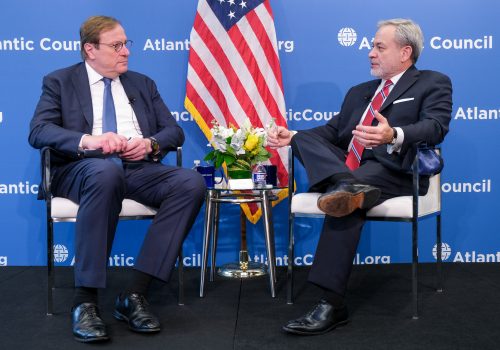
US energy priorities abroad: A conversation with US Secretary of Energy Dan Brouillette
By
Global Energy Center
On Friday, February 7, 2020, the Atlantic Council hosted newly appointed US Secretary of Energy Dan Brouillette for a public address and moderated discussion about US government energy priorities abroad.
Latest commentary and analysis

EnergySource
Jun 10, 2026
Leading bipartisan lawmakers on how to achieve US energy ‘dominance’
By
Katherine Golden
At the 2026 Global Energy Forum, lawmakers leading the charge on US energy security discussed their efforts and the role that allies can play.

EnergySource
Jun 10, 2026
Europe’s route out of this energy crisis, as mapped by Cyprus and Greece
By
Katherine Golden
At the 2026 Global Energy Forum, Greece's Stavros Papastavrou and Cyprus’s Michael Damianos outlined how the energy system is reshaping around the Eastern Mediterranean.

EnergySource
Jun 9, 2026
The global energy demand era calls for major change—here’s how countries are pivoting
By
Global Energy Center
Energy experts, policymakers, and business leaders at the Atlantic Council's tenth Global Energy Forum share their insights into the current crisis and the path toward a more energy secure future.
Latest in-depth research and reports

Report
Jun 10, 2026
The future of NATO’s deterrence in the air domain
By
Edward Brady
European NATO member states need to prepare to deter, and if necessary, defeat Russia—with less US support. When it comes to airpower, here are the actions European states need to take in the short, medium, and long term.

Report
Jun 10, 2026
From diversification to integration: A market-based LNG coordination mechanism in Europe
By
Michał Kurtyka, Marcin Gawęda, and Lisa Basquel
Europe successfully diversified its LNG supply in a short period, but long-term
energy security requires a structural redesign of how European gas markets are organized, priced, and supplied.

Issue Brief
Jun 9, 2026
How global authoritarians sustain inequality
By
Deng Liu
Authoritarian leaders across the world use targeted strategies to sustain inequality. But developing countries should instead pull from a variety of existing development models to create societal prosperity.