
Recent analysis

Issue Brief
Feb 26, 2026
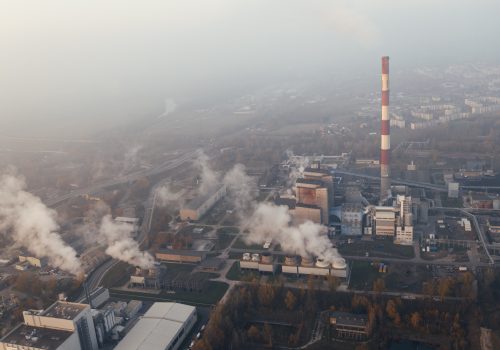
Standardizing carbon accounting worldwide with a single, robust, cost-effective system
By
Vincent Aussilloux, Yann Coatanlem, and Karthik Ramanna
Carbon accounting has the potential to accelerate decarbonization, improve energy resilience, and strengthen economic security. But first, countries must decide on a robust, standardized system.
Issue Brief
Oct 3, 2025
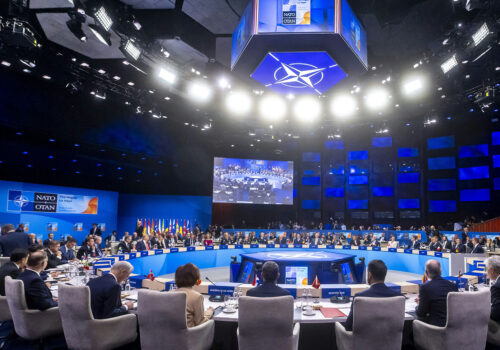
Enhancing NATO’s operational readiness through energy interoperability
By
Jason Knapp, Christopher Olson, Chamai Shahim
NATO forces are facing significant energy-related constraints that put interoperability at risk. The recent Hague Declaration committing 1.5 percent of GDP for infrastructure offers a way to address this.
EnergySource
Sep 19, 2025
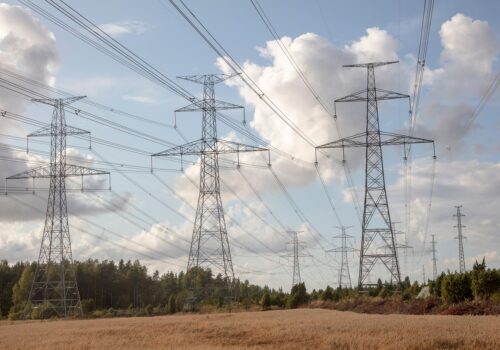
Is grid resilience possible in the hyperscale era?
By
Andy Bochman
The US grid is deteriorating, and the risk for outages is high. The way toward resilience borrows from lessons learned the hard way.
Programs

The Global Energy Center develops and promotes pragmatic and nonpartisan policy solutions designed to advance global energy security, enhance economic opportunity, and accelerate pathways to net-zero emissions.
Events

Content







Experts






Events