Oil & Gas

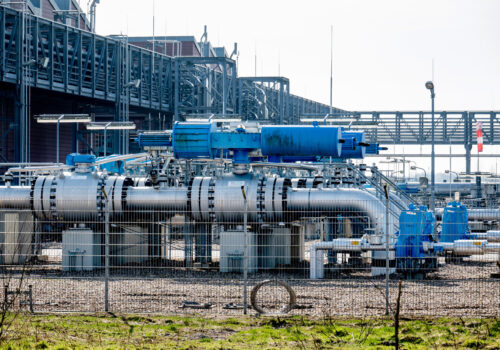
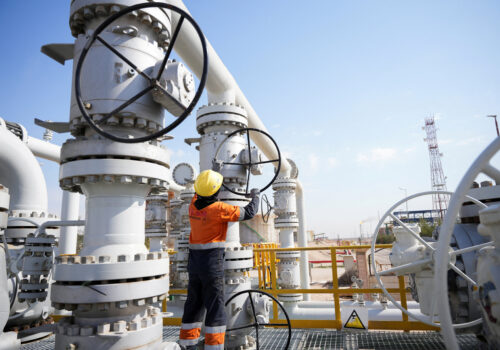
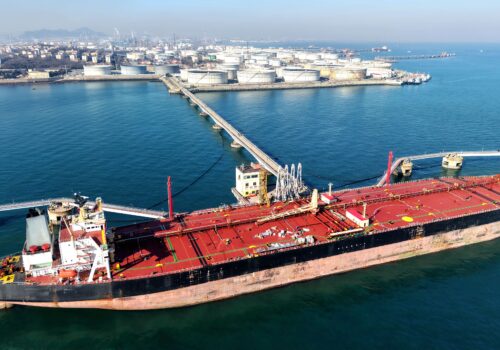
Even in a more carbon-conscious world, oil and gas will continue to play a significant role in the global energy system. From petrochemicals to power generation, oil and gas technologies will be a central player in the “dual challenge” of meeting increased energy demand and the need for low-carbon energy, making oil and gas still critical for international trade, investment, and geopolitics.

Recent analysis

Programs

The Global Energy Center develops and promotes pragmatic and nonpartisan policy solutions designed to advance global energy security, enhance economic opportunity, and accelerate pathways to net-zero emissions.

Events
Global Energy Forum

Jan 11, 2020

Climate commitments needed to head off threats of volatility and instability

By Adal Mirza

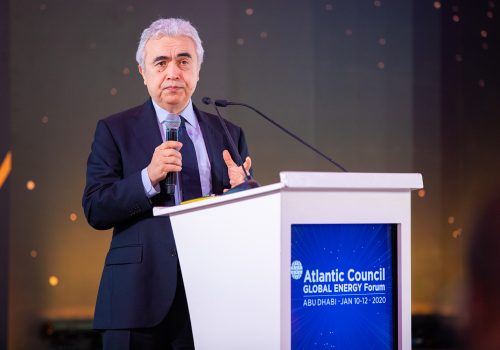
A widening gap between perceptions and reality of the global energy markets could increase volatility as governments, policy makers, and industries struggle to tackle climate change, according to Fatih Birol, the executive director of the International Energy Agency.

Climate Change & Climate Action Energy Markets & Governance

Global Energy Forum

Jan 9, 2020

International grid integration: Efficiencies, vulnerabilities, and strategic implications in Asia

By Phillip Cornell

In order to meet growing global demand for electricity, and in response to an increase in renewables, power networks and markets are evolving and becoming increasingly interconnected. South and Southeast Asia have already had some success with interconnections, and China’s vision and Belt and Road Initiative loom large in the region, but there are geopolitical concerns to contend with. Could a US model manage these concerns? What is the state of regional power markets in Asia and investment in regional grid infrastructure, and what responses are we already seeing to emerging trends?

Climate Change & Climate Action Energy Markets & Governance

Global Energy Forum

Jan 9, 2020

Energy sector diversification: Meeting demographic challenges in the MENA region

By Bina Hussein

The Middle East and North Africa (MENA) region is projected to experience significant demographic growth by 2050, growth which will have to be met with commensurate economic expansion and job opportunities, or the region will risk an increase in political instability. To meet this challenge, countries in the region must diversify their economies beyond the energy sector and expand their energy sector beyond hydrocarbons. What are the key trends that MENA countries will have to contend with, what is already being done, and what further steps should be taken?

Energy Markets & Governance Energy Transitions

Content

UkraineAlert

Oct 14, 2025

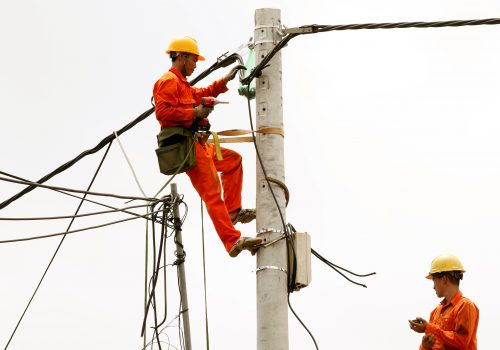
Russian strikes on Ukraine’s energy infrastructure are a European problem

By Aura Sabadus

Russia’s strikes on Ukrainian energy infrastructure are no longer just a Ukrainian problem. Moscow’s bombing campaign will become a wider European issue unless more support is offered to Kyiv, writes Aura Sabadus.

Conflict Drones

Transcript

Sep 30, 2025

US Ambassador to NATO Matthew Whitaker’s message to allies ‘dragging their feet’ on defense spending

By Atlantic Council

At the 2025 Transatlantic Forum on GeoEconomics, Whitaker called upon each ally to "start spending money on their defense and stop buying Russian energy."

Europe & Eurasia Financial Sanctions and Economic Coercion

UkraineAlert

Sep 11, 2025

China, India, and North Korea back Russia as changing global order takes shape

By Katherine Spencer

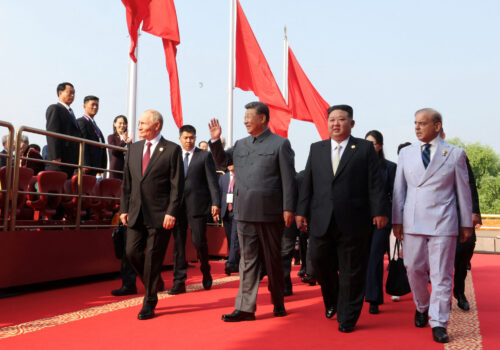
Support from China, India, and North Korea for Russia’s war in Ukraine will allow the killing to continue while undermining Trump’s efforts to pressure the Kremlin into ending the invasion, writes Katherine Spencer.

China Conflict

New Atlanticist

Sep 8, 2025

What Guyanese President Irfaan Ali is likely to focus on in his second term

By Wazim Mowla

As Guyana’s economy continues its mind-boggling growth, the president has secured a second term on the promise to “build more prosperity in every family and every home.”

Elections Inclusive Growth

New Atlanticist

Sep 5, 2025

Why China and Russia are unlikely to move the Power of Siberia-2 pipeline forward

By Joseph Webster, Landon Derentz

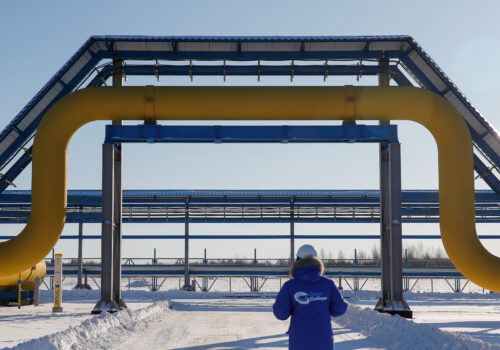
While questions remain over the mega pipeline project, Russia has already secured significant export volumes via smaller projects, largely from Chinese buyers.

China Economy & Business

UkraineAlert

Sep 4, 2025

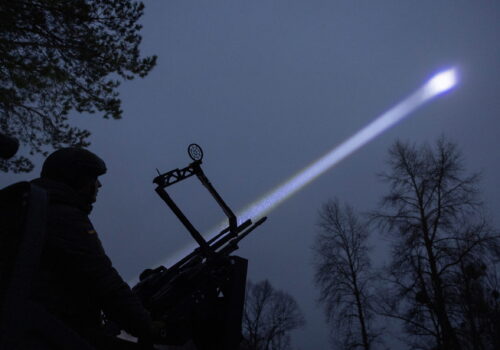
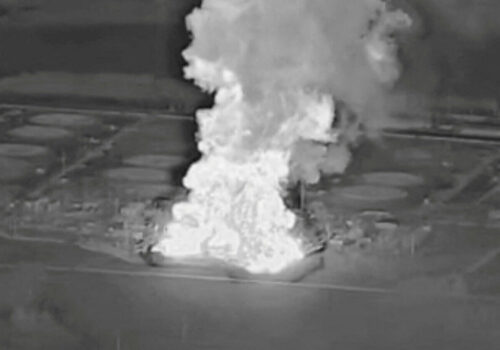
Ukrainian bombing campaign turns Russia’s sheer size into a weakness

By David Kirichenko 

For centuries, Russia’s sheer size has been its greatest asset. Ukraine now intends to transform this vastness into a weakness with a long-range bombing campaign targeting Putin's economically vital but vulnerable energy industry, writes David Kirichenko.

Conflict Drones

UkraineAlert

Sep 2, 2025

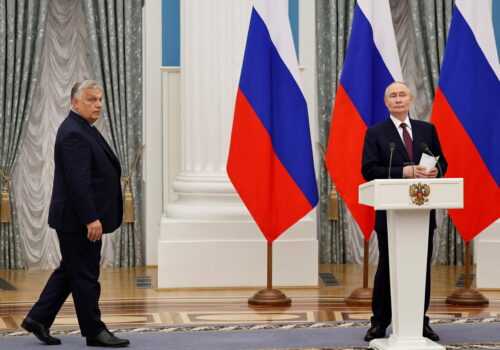
Hungary has alternative energy options but chooses to rely on Russia

By Aura Sabadus

Ukraine’s recent strikes on the Kremlin's Druzhba oil pipeline are not only an attack on Russia’s war economy. They are also a wake-up call for Hungarians highlighting the role being played by their country in the funding of Russia’s invasion, writes Aura Sabadus.

Conflict Financial Sanctions and Economic Coercion

New Atlanticist

Aug 26, 2025

To end Putin’s war on Ukraine, Trump should sanction Russian oil

By Kimberly Donovan

The US president is well positioned to bring about peace for Ukraine, but his administration needs to arm him with the best tools and options to do so.

Conflict Financial Sanctions and Economic Coercion

UkraineAlert

Aug 21, 2025

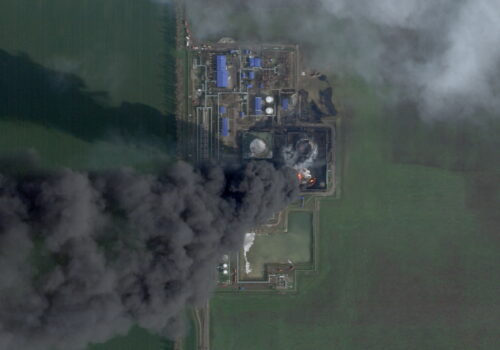
Putin is facing a fuel crisis as Ukraine escalates attacks on Russian refineries

By David Kirichenko

Historically, Russia’s sheer size has always been considered one of its main strengths. By launching waves of airstrikes across the country, Ukraine now intends to exploit this vastness and transform it into Russia’s greatest weakness, writes David Kirichenko.

Conflict Defense Technologies

New Atlanticist

Aug 20, 2025

Boulos’s family ties could help advance US national security interests in Libya

By Maureen Farrell

The Trump administration has an opening to bolster US ties with Libya, but it must empower career diplomats and traditional levers of statecraft to secure lasting agreements.

Defense Policy Economy & Business

Experts

Events