Recent analysis

Programs

The Global Energy Center develops and promotes pragmatic and nonpartisan policy solutions designed to advance global energy security, enhance economic opportunity, and accelerate pathways to net-zero emissions.

Events

Global Energy Forum

Jan 9, 2020

The role of oil and gas companies in the energy transition

By Robert (“RJ”) Johnston, Reed Blakemore, and Randolph Bell

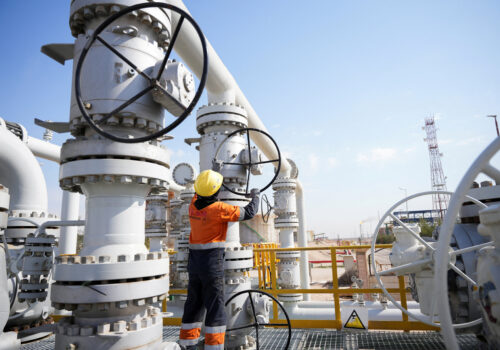
Many oil and gas companies have recognized the need to decarbonize the energy system to avoid the impacts of climate change. Initial industry efforts to play a role in the energy transition show sincerity and promise. Yet the urgent need for more oil and gas production for the foreseeable future suggests that a comprehensive framework for the oil and gas industry to support a low-carbon future while simultaneously ensuring the world has enough energy to meet development and economic growth goals has yet to be fully developed. What role can the oil and gas industry play lead the way to an energy-rich, globally prosperous, low-carbon future?

Energy Transitions Oil and Gas

Global Energy Forum

Jan 9, 2020

European energy diversification: How alternative sources, routes, and clean technologies can bolster energy security and decarbonization

By Richard L. Morningstar, András Simonyi, Olga Khakova, Irina Markina

The European Union’s efforts to achieve a carbon-neutral economy present a unique and timely opportunity to strengthen European energy security. What is the EU currently doing to meet its decarbonization goals, address the role of natural gas in Europe’s low-carbon future, and explain the potential for new gas sources, alternative gas routes, and clean energy technologies to reduce carbon emissions? And how can this be done while simultaneously increasing European energy security and opportunities for transatlantic cooperation?

Energy Markets & Governance Energy Transitions
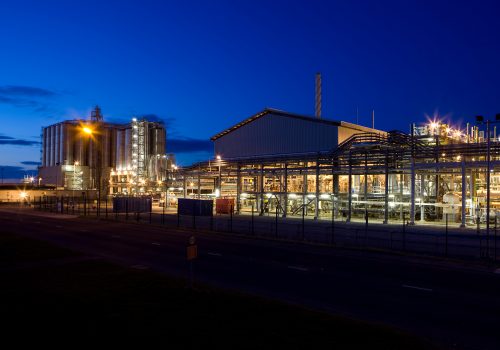
Manufacturing facility

Global Energy Forum

Jan 9, 2020

The Saudi Aramco-SABIC merger: How acquiring SABIC fits into Aramco’s long-term diversification strategy

By Private: Jean-François Seznec

Throughout 2019, financial markets have watched the planned Saudi Aramco initial public offering (IPO), which was finally launched in December. A quieter, but no less significant, story was the Saudi oil company’s acquisition of SABIC. Saudi Aramco strove to have a successful IPO, especially through increased transparency and diversification, and the SABIC acquisition was a key element of Saudi oil company's diversification strategy. Going forward, what does the merger mean for both companies, what is the new relationship between Saudi Aramco and SABIC, and what are the merger’s implications for the intricate relationship between the various bureaucracies and leadership in Saudi Arabia?

Energy Markets & Governance Energy Transitions

Content

New Atlanticist

Mar 26, 2020

Dual demand and supply shocks have created historic oil crisis, IEA executive director says

By David A. Wemer

Dramatically lower oil demand due to the coronavirus pandemic and an emerging supply glut caused by the failure of major oil producers to cut production has slammed the global oil market with a crisis “unique in history,” according to Dr. Fatih Birol.

Climate Change & Climate Action Energy Markets & Governance

AfricaSource

Mar 25, 2020

Tough times ahead for African oil producers

By Luke Tyburski

The precipitous decline in oil prices related to the coronavirus pandemic will have significant economic knock-on effects in Africa. Central African producers look to be the most vulnerable, but the shocks will be felt everywhere.

Africa Angola

New Atlanticist

Mar 23, 2020

Russia is out of control: The dangerous Mr. Sechin

By Anders Åslund

Russia is out of control. All of a sudden, it has launched an oil price war, even though it is unrealistic that the Kremlin can defeat Saudi Arabia and the United States in such a contest. Saudi Arabia’s population is one-fifth of Russia’s, while holding equivalent international currency reserves. The United States is still a net oil importer, meaning that its economy benefits from low oil prices. Russia, by contrast, is a major oil exporter and is utterly dependent on high oil prices.

Corruption Oil and Gas

In the News

Mar 17, 2020

Cohen in Forbes: Central Asia needs a financing solution to low oil prices

By Atlantic Council

Central Asia Energy & Environment

EnergySource

Mar 12, 2020

Oil market meltdown?

By John Soughan

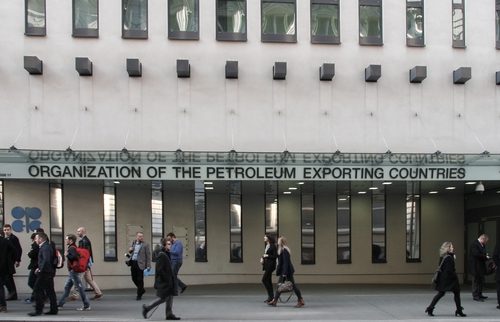
Over the weekend of March 7–8, the breakdown of the previous oil production agreement between Russia and Saudi Arabia led to the broader collapse of the arrangement between OPEC and OPEC+. What will the rift will mean for the global oil market?

Coronavirus Energy Markets & Governance

Event Recap

Mar 11, 2020

Atlantic Council press call: Oil market meltdown: Price wars, coronavirus, and energy geopolitics

Last week’s breakdown of OPEC+ meetings in Vienna has turned a demand side driven decline in oil prices caused by the impacts of Coronavirus into an oil price war between two oil producing giants, with US shale production the ostensible target. If the standoff continues, however, the price war might ultimately do more harm to the Saudi and Russian economies. With increasing uncertainty about the depth of Coronavirus’ impact on global growth, the price war might also contribute to a sharp decline in the global economy. Helima Croft, David L. Goldwyn, Jean-Francois Seznec, Anders Aslund, and Randolph Bell discuss ongoing market volatility, the origins of the crisis, what’s next for US shale, and the implications of it all for energy and geopolitics

Coronavirus Energy & Environment

In the News

Mar 10, 2020

Katz quoted in Marketplace on oil prices and production

By Atlantic Council

Energy & Environment Energy Markets & Governance

New Atlanticist

Mar 9, 2020

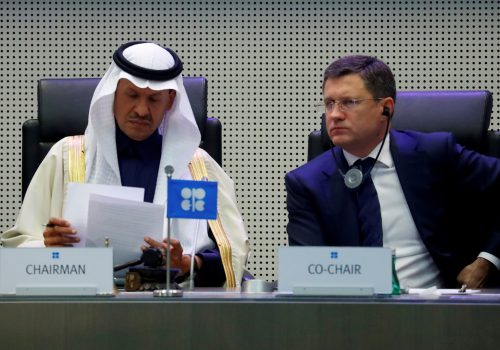
Saudi Arabia and Russia feud over coronavirus oil response: Will everyone lose?

By David A. Wemer

"While Russia’s decision last week not to support OPEC’s proposal for a production cut and the subsequent oil price war—which as of publishing has pushed Brent crude down more than 9 percent—is surely part of the larger story of the economic impacts of the coronavirus outbreak, it is actually better understood as a geopolitical story about how US energy production growth has strengthened the United States’ international posture, which in turn has reshaped a number of global relationships," Randolph Bell says.

Coronavirus Energy Markets & Governance

In the News

Mar 6, 2020

Cohen in Forbes: OPEC+ talks collapse sending crude prices to 2017 lows

By Atlantic Council

Energy & Environment Oil and Gas

Report

Mar 6, 2020

A new energy strategy for the Western Hemisphere

By David L. Goldwyn

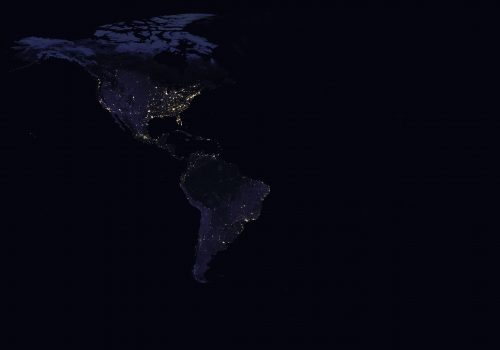
The Western Hemisphere is full of potential and we have the opportunity to galvanize it into an energy powerhouse. This new US energy strategy for the Western Hemisphere will help raise the global competitiveness of the hemisphere, advance its shared prosperity, and improve national and energy security as a result.

Americas Climate Change & Climate Action

Experts

Events