Oil & Gas

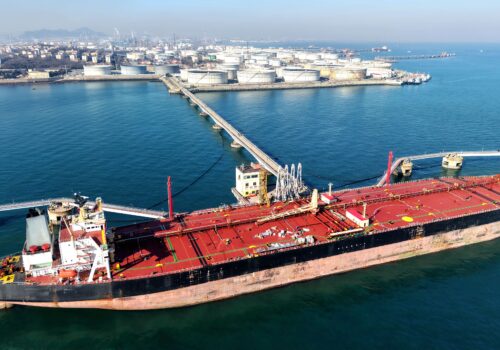
Even in a more carbon-conscious world, oil and gas will continue to play a significant role in the global energy system. From petrochemicals to power generation, oil and gas technologies will be a central player in the “dual challenge” of meeting increased energy demand and the need for low-carbon energy, making oil and gas still critical for international trade, investment, and geopolitics.

Recent analysis

Programs

The Global Energy Center develops and promotes pragmatic and nonpartisan policy solutions designed to advance global energy security, enhance economic opportunity, and accelerate pathways to net-zero emissions.

Events

Global Energy Forum

Jan 9, 2020

European energy diversification: How alternative sources, routes, and clean technologies can bolster energy security and decarbonization

By Richard L. Morningstar, András Simonyi, Olga Khakova, Irina Markina

The European Union’s efforts to achieve a carbon-neutral economy present a unique and timely opportunity to strengthen European energy security. What is the EU currently doing to meet its decarbonization goals, address the role of natural gas in Europe’s low-carbon future, and explain the potential for new gas sources, alternative gas routes, and clean energy technologies to reduce carbon emissions? And how can this be done while simultaneously increasing European energy security and opportunities for transatlantic cooperation?

Energy Markets & Governance Energy Transitions
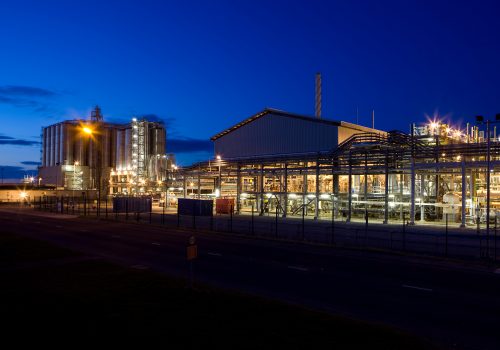
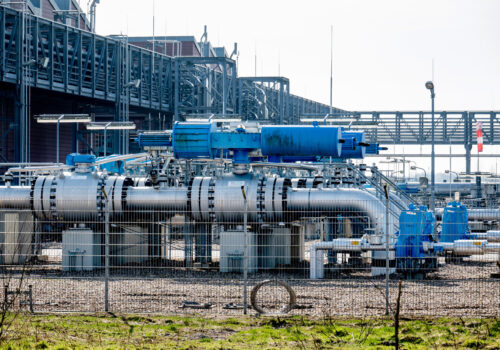
Manufacturing facility

Global Energy Forum

Jan 9, 2020

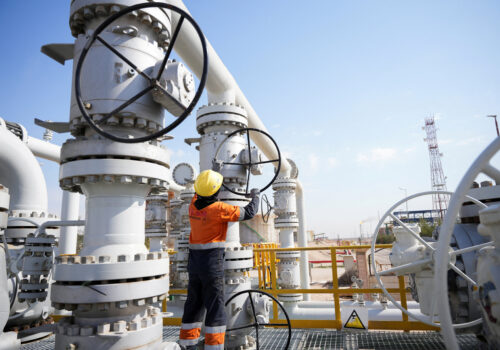
The Saudi Aramco-SABIC merger: How acquiring SABIC fits into Aramco’s long-term diversification strategy

By Private: Jean-François Seznec

Throughout 2019, financial markets have watched the planned Saudi Aramco initial public offering (IPO), which was finally launched in December. A quieter, but no less significant, story was the Saudi oil company’s acquisition of SABIC. Saudi Aramco strove to have a successful IPO, especially through increased transparency and diversification, and the SABIC acquisition was a key element of Saudi oil company's diversification strategy. Going forward, what does the merger mean for both companies, what is the new relationship between Saudi Aramco and SABIC, and what are the merger’s implications for the intricate relationship between the various bureaucracies and leadership in Saudi Arabia?
Energy Markets & Governance Energy Transitions

Content

In the News

Mar 9, 2022

Ellinas in Financial Mirror: No end to rising oil prices

Energy & Environment Oil and Gas

New Atlanticist

Mar 9, 2022

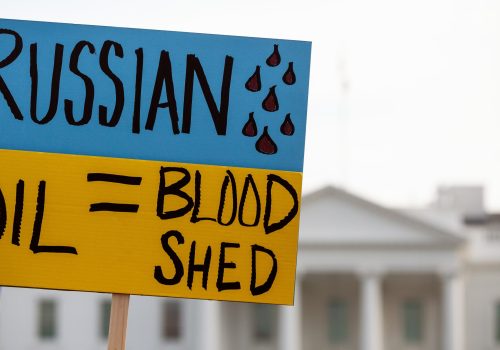
Biden’s Russian oil ban: Slick, or nothing special?

By Randolph Bell, Reed Blakemore, and Charles Lichfield

Our experts break down the new US move against Russia's energy industry, from its impact on global oil prices to the pressure it puts in Europe.

Energy & Environment European Union

TURKEYSource

Mar 9, 2022

With the Israeli president’s visit, are Israel-Turkey relations back on track?

By Atlantic Council IN TURKEY

The Atlantic Council IN TURKEY discusses the significance of Israeli President Isaac Herzog's visit to Turkey, the first state level bilateral visit since 2008 following over a decade of tensions between the two countries.

Geopolitics & Energy Security Israel

In the News

Mar 8, 2022

Lichfield quoted by CNN Business on Russia energy sanctions

Read the full article here

Economy & Business Energy & Environment

In the News

Mar 8, 2022

Blakemore quoted in  Al Jazeera on shale oil production

Energy & Environment Oil and Gas

In the News

Mar 8, 2022

Sullivan quoted in The Straits Times on Russian oil import bans

Energy Markets & Governance European Union

EnergySource

Mar 7, 2022

How to sanction Russian energy, mitigate price spikes, and advance low-carbon energy security

By Phillip Cornell

An embargo on Russian oil may not have the intended effect on Putin's war chest, as a squeeze on global oil supply could inadvertently create more profits for Russian producers. But a punitive tax might work better, keeping prices at market level while setting aside profits to use for diversification, price shock mitigation, and support for Ukraine.

Energy & Environment Energy Markets & Governance

EnergySource

Mar 7, 2022

DeRussification of European natural gas imports by 55 bcm in 5 years: A three-pronged strategy to reduce, reroute, and reserve supplies

By Olga Khakova

Europe should be crafting ambitious plans to reduce its dependence on Russian energy. Reducing annual natural gas imports from Russia by 55 bcm in 5 years (or "55 in 5") would make a significant dent.

Energy & Environment Europe & Eurasia

IranSource

Mar 3, 2022

Can Iranian oil stabilize a volatile market?

By Omid Shokri

As fuel prices skyrocket following the Russian invasion of Ukraine, another major supplier of oil and natural gas is poised to play an important role.

Energy & Environment Iran

New Atlanticist

Mar 3, 2022

Europe needs to prepare for a future without Russian energy

By Michael John Williams and Erin Hodges

One of Putin’s greatest assets is Western reliance on Russia; to move forward, this relationship must shift from one of necessity to one of convenience.

Energy & Environment Europe & Eurasia

Experts

Events