Commentary & Analysis

Working with a wide community of experts and thought-leaders, the Eurasia Center delivers cutting-edge analysis and commentary on issues affecting Eurasia and the transatlantic community.
BelarusAlert

Nov 16, 2020

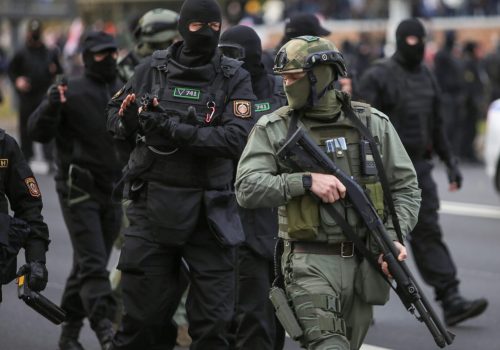
Belarus dictator Lukashenka pins hopes on terror tactics

By Vladislav Davidzon

The pro-democracy uprising in Belarus passed the one hundred day mark in mid-November with protests refusing to cease despite a fresh escalation in state violence and record numbers of daily detentions.

Belarus Democratic Transitions

UkraineAlert

Nov 14, 2020

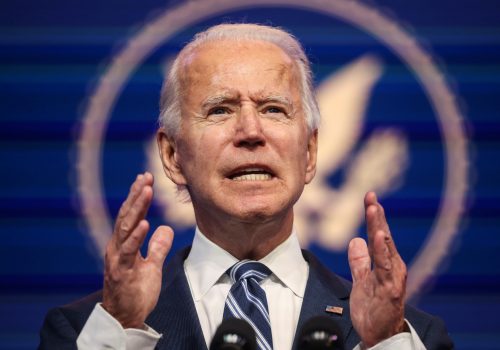
What can Ukraine expect from a Biden presidency?

By Peter Dickinson

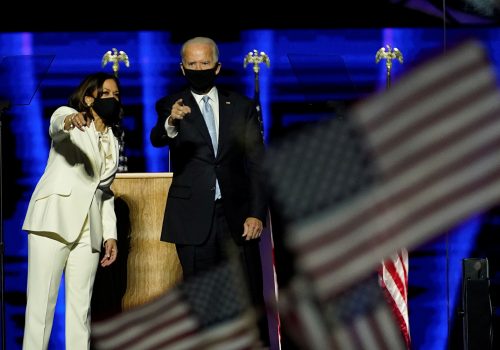
Joe Biden's US presidential election victory was welcomed by many Ukrainians who felt that bilateral ties had suffered during the Trump presidency despite continued bipartisan US support for Ukraine.

Conflict Elections

UkraineAlert

Nov 13, 2020

Ukrainian local elections: City-by-city guide to this weekend’s runoff votes

By Brian Mefford

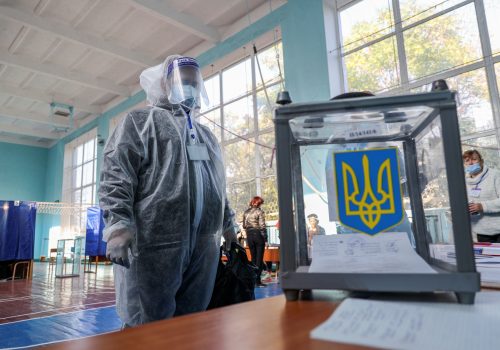
On November 15, Ukrainians will vote in mayoral runoff contests in six major cities in the second round of the country's local elections. Here is a rundown of what to expect from this Sunday's ballot.

Elections Ukraine

New Atlanticist

Nov 13, 2020

How a Biden presidency could change US relations with the rest of the world

By Atlantic Council

We asked experts from around the Atlantic Council to preview what the election of Joe Biden as US president will mean for countries, big and small, all across the world. Here’s a quick spin around the globe as we preview what lies ahead for US foreign policy under Joe Biden:

Africa East Asia

New Atlanticist

Nov 13, 2020

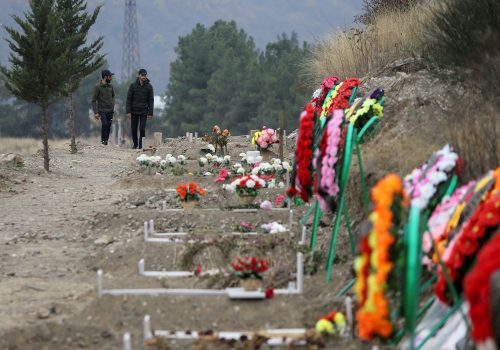
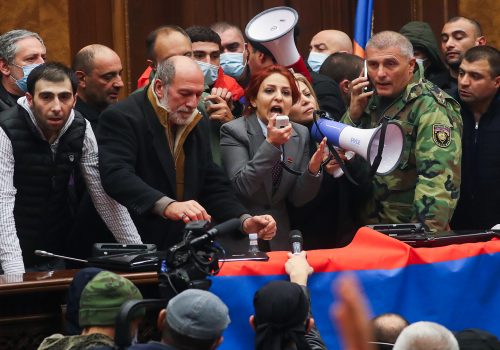
Peace at last? Assessing the ceasefire in Nagorno-Karabakh

By Andrew D’Anieri

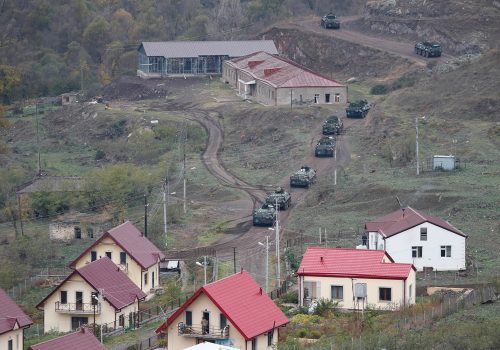
After six weeks of warfare, Armenia, Azerbaijan, and Russia agreed to a peace deal on November 10 that seems to be more durable than prior agreements. The war leaves Armenia and Azerbaijan with dramatically different domestic situations and a new regional security order, with Russia and Turkey as major players and the United States and Europe on the periphery.

Conflict Peacekeeping and Peacebuilding

UkraineAlert

Nov 12, 2020

Shevchenko silences critics: Ukraine’s finest ever player earns respect as a manager

By Mark Temnycky

Andriy Shevchenko is one of Ukraine's most celebrated footballers but few expected much when he was appointed as national team manager in 2016. Shevchenko has since proved his doubters wrong.

Ukraine

UkraineAlert

Nov 11, 2020

Putin’s Karabakh victory sparks alarm in Ukraine

By Anders Åslund

Russian President Vladimir Putin appears to have achieved a significant victory in Nagorno-Karabakh that promises to alter the geopolitical balance throughout the former Soviet space in his favor.

Conflict Peacekeeping and Peacebuilding

New Atlanticist

Nov 11, 2020

Azerbaijan-Armenia peace deal could be the diplomatic breakthrough the region needs

By Matthew Bryza

The agreement not only ends one of the world’s longest standing conflicts, but also could catalyze other diplomatic and economic agreements that can restore peace, prosperity, and stability throughout the region.

Conflict Peacekeeping and Peacebuilding

New Atlanticist

Nov 10, 2020

Putin gains and loses from Armenia-Azerbaijan ceasefire deal

By John E. Herbst

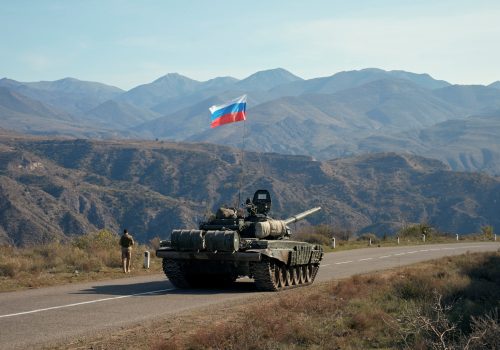
The ceasefire deal has weakened Moscow’s position in the region, but it also served as a diplomatic victory for Putin, as Russian peacekeepers will enforce the agreement, and the United States remained on the sidelines.

Conflict Russia

New Atlanticist

Nov 10, 2020

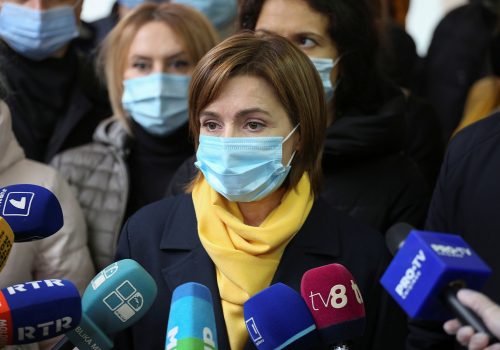
Eastern Europe’s pivotal run-off: Moldovans go to the polls again

By Andrew D’Anieri

While many are already looking to the January run-off elections in the US state of Georgia, another run-off looms in Eastern Europe. The Republic of Moldova is in the midst of a tightly contested presidential election colored by a frustrated electorate, foreign influence in its politics and economy, and rampant misinformation on social media.

Corruption Democratic Transitions

The Eurasia Center’s mission is to promote policies that strengthen stability, democratic values, and prosperity in Eurasia, from Eastern Europe in the West to the Caucasus, Russia, and Central Asia in the East.