Atlantic Council blogs

Atlantic Council blogs provide short-form analyses from Council experts and a wider community of global voices on the world’s most important news stories.
View all
of our blogs
Subscribe to our
newsletters

Latest from across our blogs

AfricaSource

Jan 15, 2020

Sudan’s uncertain road ahead

By Cameron Hudson

Nearly six months in, the governing bargain between civilians and security forces seems to be holding strong, but there has been little concrete progress towards determining which side will emerge as the dominant actor at the end of the transition. That means that there is ongoing uncertainty over who ultimately is in charge, not only today, but well into the future. And uncertainty over what the political future will be means uncertainty over whether – and which – people will have jobs and the resources they need to support their families.

Africa Democratic Transitions

New Atlanticist

Jan 15, 2020

Spain’s new government a welcome sign, but Madrid must navigate several fault lines

By Antonio de Lecea

After two general elections in nine months, Spain finally has a government. But the new coalition is a fragile one that will have to deploy creative solutions to address fragmentation along three dimensions: political, territorial, and social. It will be challenging, but it may work.

Elections Politics & Diplomacy

New Atlanticist

Jan 15, 2020

At the beginning of 2020, what are the global risks and growth prospects for the Euro Area?

By Marc-Olivier Strauss-Kahn

After the high real growth of the EA in 2015 (averaging slightly more than 2% per year), growth in 2019-20 has been downgraded as several risks materialized. Furthermore, the balance of persistent global or domestic risks remain negative even if less than last year.

European Union Macroeconomics

IranSource

Jan 15, 2020

Dispatch from Tehran: Iranians protest after dishonest response to downed passenger plane

By Anonymous

Angry Iranians continue to demand accountability after authorities admitted to mistakenly downing a passenger airplane in Tehran.

Iran Middle East

AfricaSource

Jan 14, 2020

Congo, one year later

By Pierre Englebert

Overall, while there has clearly not been any regime transition in Congo, there are faint stirrings of change. It is long shot, but it seems that the Western strategy of embracing Tshisekedi in exchange for Kabila’s removal from office may yet – possibly, hopefully – bear some fruit.

Africa Corruption

New Atlanticist

Jan 14, 2020

Iranians are protesting again: What does it mean?

By Barbara Slavin

So far, Iranian security personnel have remained loyal to the regime—again, unlike 1979 when the military and police defected in droves. As long as the repressive apparatus of the government is intact, it is likely that the latest protests will eventually fade as past ones have done, only to be followed by others.

Civil Society Corruption

IranSource

Jan 14, 2020

US-Iran relations: A cloudy 2020 forecast

By Sina Azodi

In the age of Twitter diplomacy, a breakthrough from the vicious cycle of US-Iran hostility would require statesmen in both capitals with the vision to break the stalemate and the courage to resist attacks.

Iran Middle East

UkraineAlert

Jan 13, 2020

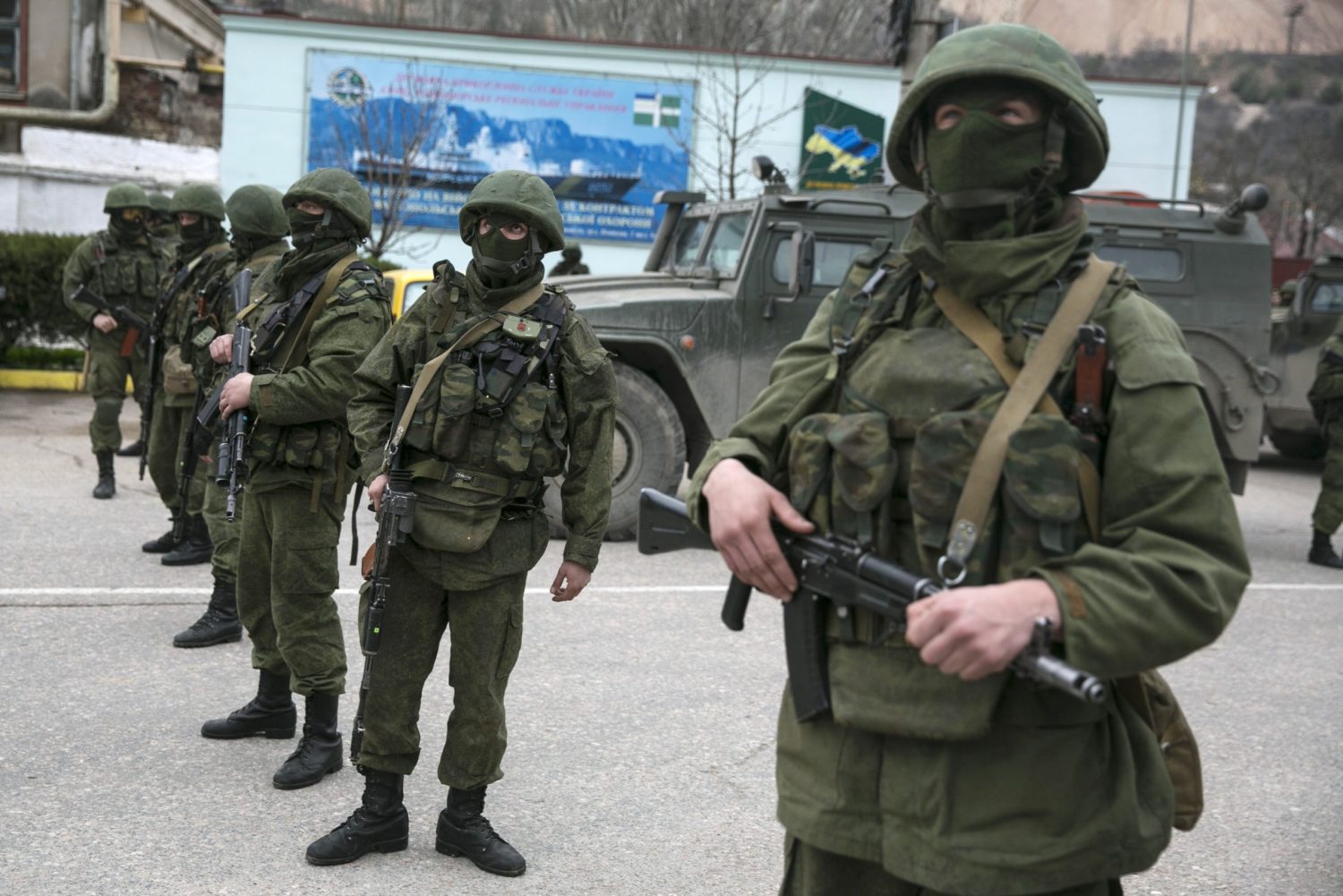
Iran plane tragedy proves lessons of MH17 have not been learned

By Michael Bociurkiw

Amid the outpourings of anger and grief over the downing of a Ukrainian passenger plane by Iran, the disaster also raises troubling questions about aviation security and the apparent failure to learn from past tragedies of this nature such as the 2014 MH17 attack.

Conflict Iran

New Atlanticist

Jan 13, 2020

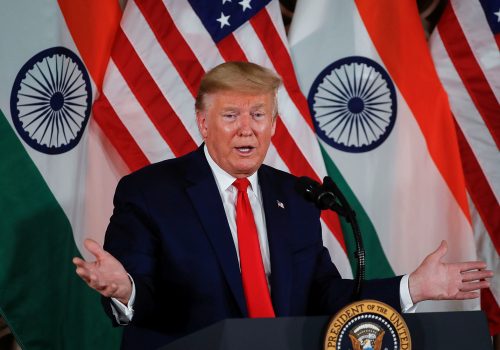
Trump’s bilateral trade deals are undermining the global trading system

By Hung Tran

Overall, the three early 2020 agreements have started to transform the multilateral rule-based system into a largely bilaterally managed, outcome-based system. RTAs and their new practices accelerate the fragmentation of the world trading system into numerous trading zones with different overlapping memberships and trade coverage, tariffs, quotas, and quantitative trade targets, plus other rules such as local content and country of origin requirements as well as dispute settlement processes.

China European Union

Capacity Building Initiative

Jan 13, 2020

Cyber 9/12: Education and innovation on a global scale

By Will Loomis

One of the most important barriers to robust global cybersecurity is the shortage of capable individuals in the workforce pipeline. By 2021, predictions suggest that the world will have more than 3.5 million unfilled cybersecurity jobs, with both the private and public sectors facing hiring shortages. While the United States has budding international relations, cybersecurity, and IT-focused academic programs, very little has been done to address the interaction between them, which will be crucial for the success of future cybersecurity professionals.

Cybersecurity