Atlantic Council blogs

Atlantic Council blogs provide short-form analyses from Council experts and a wider community of global voices on the world’s most important news stories.
View all
of our blogs
Subscribe to our
newsletters

Latest from across our blogs

SyriaSource

Nov 18, 2019

After the Syria withdrawal, it’s time the US rethinks the use of proxy forces

By Mona Alami

Proxy warfare is a 21st century military playbook utilized by great powers, like Russia, and the United States with some using it better than others.

Security & Defense Syria

MENASource

Nov 18, 2019

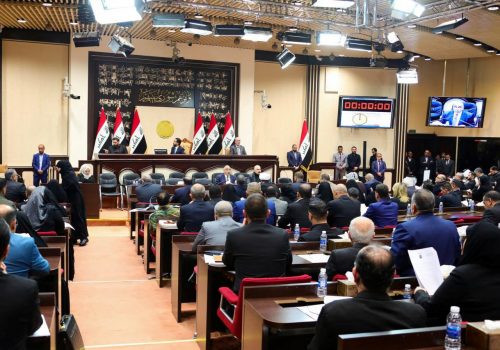
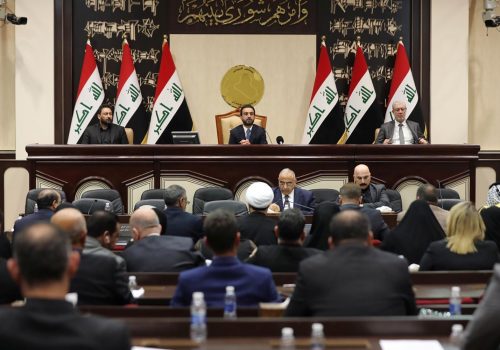
Explainer: Iraq’s autumn of discontent

By Christiana Haynes

Waves of protests have hit Iraq this past October and November, calling for the resignation of the post-war government and sweeping changes. Last month alone, there have been reports of hundreds of protesters killed and thousands wounded by security forces in clashes across the country, from Tahrir Square in Baghdad to cities like Diwaniyah, Najaf, […]

Corruption Iraq
Nord Stream pipe

EnergySource

Nov 18, 2019

Nord Stream 2 poses challenges but also means opportunity for the European Union

By Martin Jirušek

With the Nord Stream 2 (NS2) pipeline’s completion date on the horizon, it is becoming apparent that the European Union (EU) is struggling to agree on how the project should be handled. What are the challenges and opportunities the situation present?

European Union Geopolitics & Energy Security

UkraineAlert

Nov 15, 2019

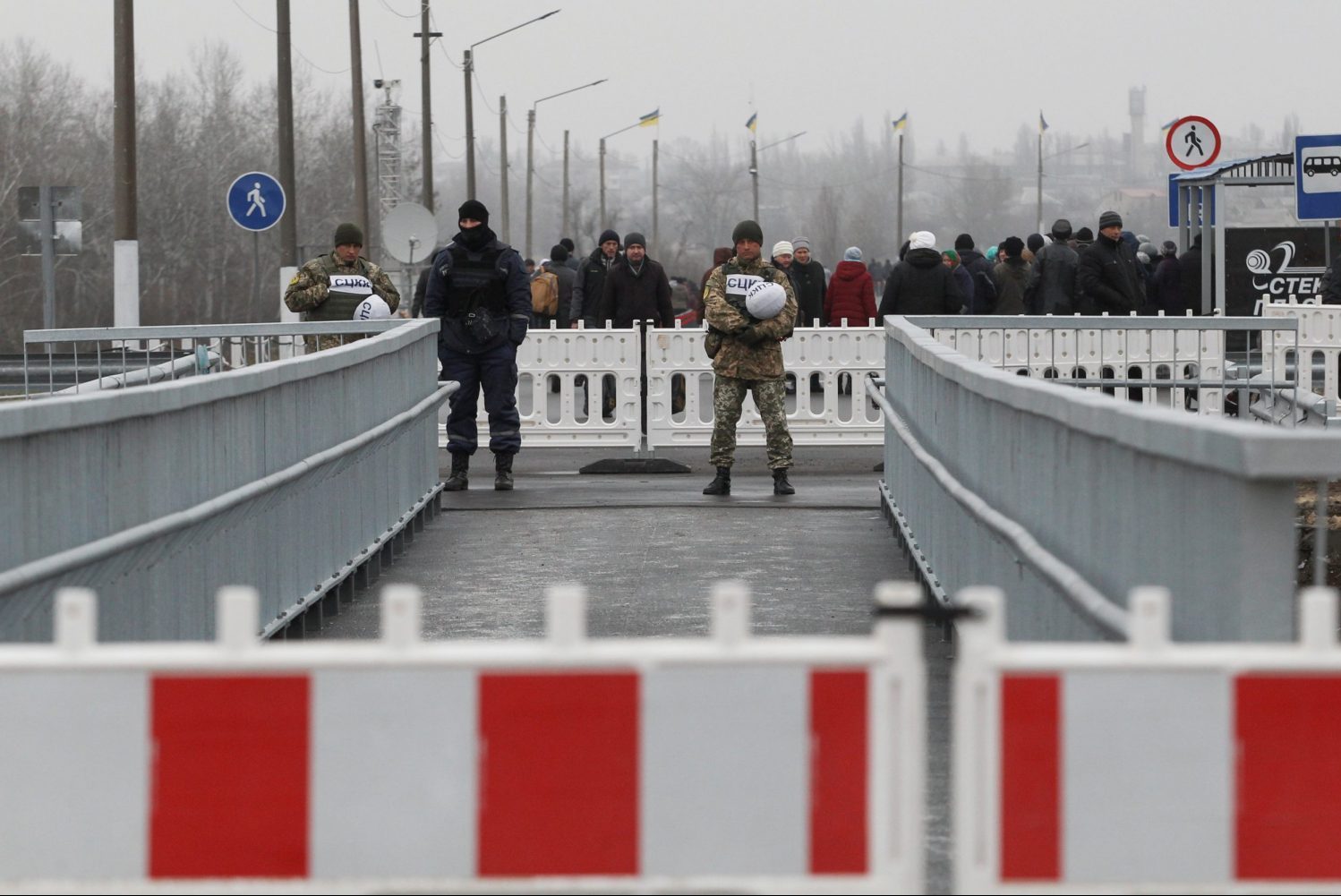
The Normandy Summit is finally on

By Bohdan Nahaylo

Ukraine’s representatives have pledged to give the moribund Normandy Four format one last chance.

Civil Society Conflict

New Atlanticist

Nov 15, 2019

Australian government takes aim at foreign influence in universities

By John T. Watts

As China’s regional ambitions grow and its attempts to influence regional policies becomes more aggressive, universities are becoming a contested space. There are increasing concerns that Australian universities are becoming over-reliant on the funding associated with Chinese students studying there, and actively limiting activities on campus because they may upset both the Chinese students and authorities.

Australia China

New Atlanticist

Nov 15, 2019

A crisis of commitment in the Middle East. But whose?

By Kirsten Fontenrose

While US actions are causing confusion about Washington's commitment, regional actions are also calling into question the region’s commitment to its relationship with the United States and to its own stability.

Middle East Politics & Diplomacy

New Atlanticist

Nov 14, 2019

NATO leaders set ambitious agenda for London summit

By David A. Wemer

Edward Ferguson, minister counsellor for defense at the Embassy of the United Kingdom in the United States, said that the Alliance is setting an ambitious agenda for the summit “to show that NATO as a septuagenarian is as fit and virile as ever and to highlight the progress we have made in adapting NATO’s deterrence and defense since the 2014 Wales Summit.”

NATO
US Capitol building

EnergySource

Nov 14, 2019

Reauthorization of the Export-Import Bank is a national security imperative

By Amb. Thomas Graham, Jr. and Admiral Richard W. Mies

The US House of Representatives is voting this week on a long-term reauthorization of the US Export-Import Bank. While a fully functional Ex-Im Bank is important for the competitiveness of many US exporters, it is essential for certain industries of strategic importance, including nuclear energy and space, and US security interests associated with these exports are also linked to the ability of Ex-Im Bank to support them.

Economy & Business Nuclear Energy

UkraineAlert

Nov 14, 2019

Finally some progress in Ukraine

By Melinda Haring

In October, Ukraine made real progress on the anti-corruption fight.

Civil Society Corruption

New Atlanticist

Nov 14, 2019

Bolivia reflects the deep polarization crisis in Latin America

By David A. Wemer

The departure of former Bolivian President Evo Morales amid allegations of electoral fraud, coupled with political instability in several Latin American countries and the long-standing crisis in Venezuela, means that “the one constant in the region is uncertainty," Jason Marczak says

Democratic Transitions Elections