Stay updated

Subscribe to our daily newsletter to receive the best expert intelligence on world-changing events

Explore our unique analysis

Content

New Atlanticist

Apr 20, 2020

COVID-19 spells out new era for energy markets

By Agnia Grigas

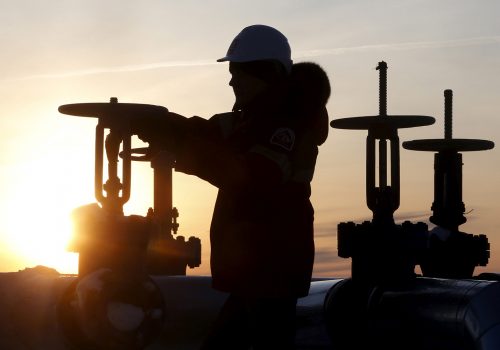
Global energy markets are experiencing historic upheavals most evident by the dramatic drop in oil prices and demand. Yet, there are deeper structural upheavals at play and ones driven by changes over the past decade.

Coronavirus Energy Markets & Governance

New Atlanticist

Apr 20, 2020

At long last, Israel to form a government

By Daniel J. Samet

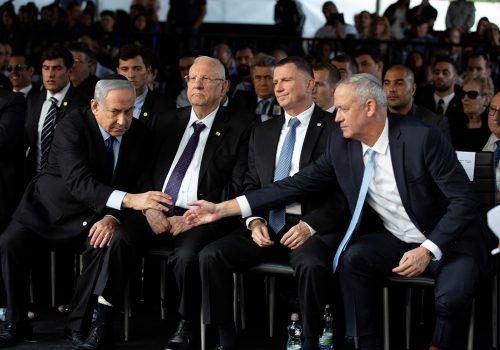
Most Israelis want to avoid a fourth election. Most Israelis want to see an empowered government—not a caretaker regime—in place to deal with the coronavirus pandemic.

Elections Israel

New Atlanticist

Apr 20, 2020

Coronavirus will worsen India’s non-performing loan problem

By Ketki Bhagwati

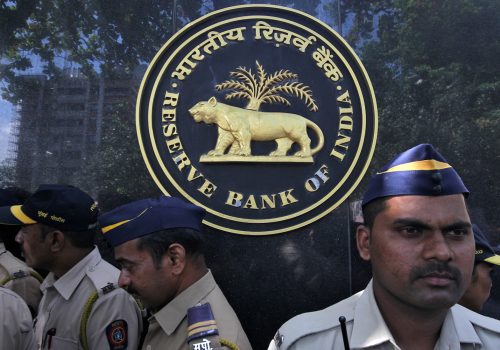
The unwelcome arrival of the novel coronavirus (COVID-19) pandemic and the accompanying national lockdown is very likely to bring on a fresh wave of non-performing loans as banks resort to credit contraction to preserve capital for future losses.

Coronavirus Financial Regulation

New Atlanticist

Apr 20, 2020

What German reunification can teach Kosovo

By Artan Behrami

A reunified Germany has become an inspiration for the people of Kosovo who seek freedom and independence, even in the face of opponents in their region. But Kosovo’s leaders and the international community should heed several lessons from Germany’s example.

Politics & Diplomacy The Balkans

New Atlanticist

Apr 18, 2020

Kabul attack: Overseas Indian fighters haunt India’s interests abroad

By Shweta Desai

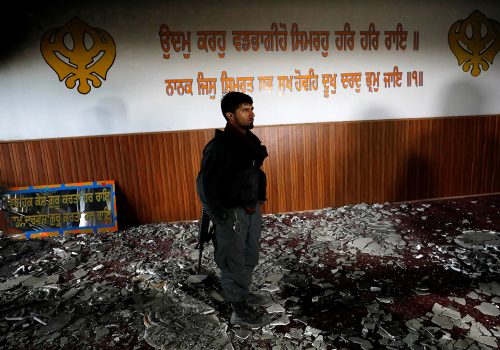
This is the first instance when IS has used an Indian national to spread terror on the handful of remaining Sikh residents in Kabul. The symbolism of an Indian fighter indiscriminately gunning down worshippers is not lost on India, which promises to provide citizenship to the religiously-persecuted Afghan Sikh community. The attack has brought home a haunting realization that Indian nationals who joined jihadist groups like al-Qaeda and the IS in Syria and Afghanistan pose a tremendous security threat and are likely to be used to attack Indian interests at home and abroad.

Afghanistan India

New Atlanticist

Apr 17, 2020

Life in Hungary during COVID-19

By Bálint Ablonczy

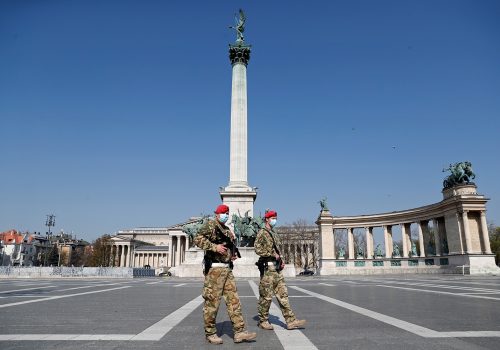
It remains to be seen what effect the coronavirus will yet have on the Hungarian people. So far, it seems, Hungary is far from the worst that was thought possible.

Coronavirus Hungary

New Atlanticist

Apr 17, 2020

US-Mexico security cooperation after the COVID-19 shocks

By Pablo Reynoso Brito

In the post-coronavirus (COVID-19) world, US-Mexico security cooperation will continue to be critical for North America’s stability and prosperity. The current health and economic crises might impact Mexico’s security by causing social instability, straining law enforcement resources in marginal regions, and worsening the migration crisis.

Coronavirus Mexico

New Atlanticist

Apr 17, 2020

China’s COVID-19 statistics resemble horrific past

By Evanna Hu

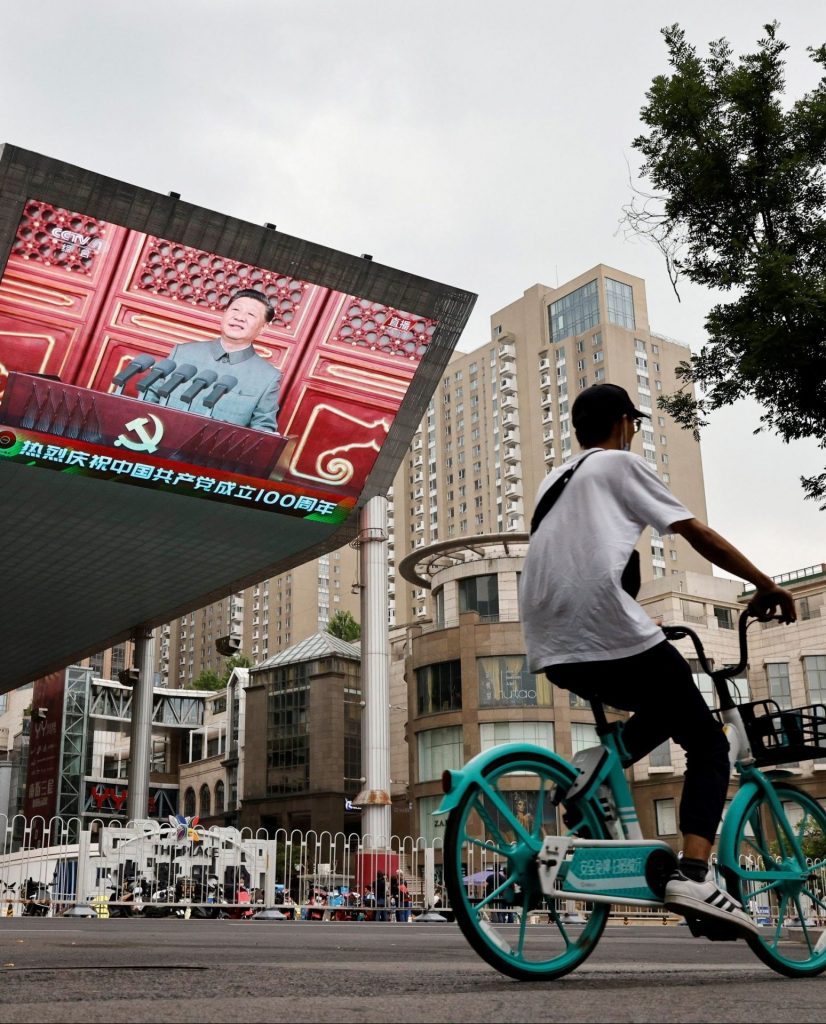
The curious spikes in confirmed cases in China following changes in leadership or policy events evokes the terrible statistical manipulation and suffering of the Great Leap Forward.

China Coronavirus

New Atlanticist

Apr 17, 2020

Polls show concerning effect of Chinese coronavirus charm offensive in Italy

By Francesco Bechis

Italy has a geopolitical problem. An April 7 opinion poll showed for the first time that Italians look more to China than to the United States as a potential international partner. The SWG research institute captured an unprecedented situation in the long-term transatlantic friendship as when asked, "Who should Italy look more to develop their international alliances outside of Europe?" 36 percent of Italians indicated China, while only 30 percent chose their historic American ally.

China Coronavirus

Diversity, Equity, and Inclusion

Apr 16, 2020

Mind the gap: Reducing gender gaps will foster long-term economic prosperity in Colombia

By Camila Hernandez

Significant lags in women’s economic and political empowerment remain in countries like Colombia. Having closed educational attainment and health and survival gaps almost entirely, the country still faces important gender gaps in economic participation and opportunity (a gap of 26.5 percent) and in political empowerment (a gap of 68.2 percent). If Colombia doubles-down on its efforts to close these gaps, numerous economic and social benefits will follow.

Colombia Economy & Business