Middle East Programs Commentary & Analysis

Our blogs feature thoughtful reflections and opinions on current events in the Middle East & North Africa.

Through our Middle East Programs, the Atlantic Council works with allies and partners in Europe and the wider Middle East to protect US interests, build peace and security, and unlock the human potential of the region.
Meet our blogs

All commentary & analysis

MENASource

May 30, 2019

Why is Bahrain hosting the mideast peace conference?

By Grace Wermenbol

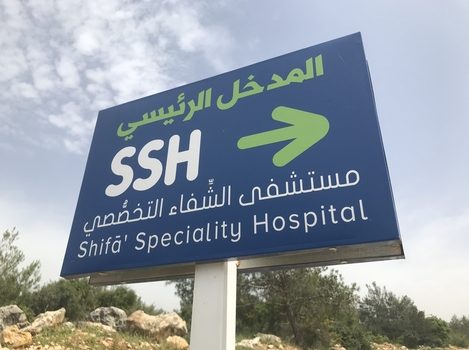
Following a long period of anticipation and repeated delays, US officials announced earlier this month that they will hold an economic workshop in Bahrain in late June as the first step in the administration’s road map for peace between Israel and Palestine.

Israel Middle East

IranSource

May 29, 2019

US oil embargo stalls Iran-India energy relations

By Omid Shokri Kalehsar

Before the Trump administration decided to target Tehran’s oil exports, Iran and India experienced a positive trend in relations.

India Iran

IranSource

May 28, 2019

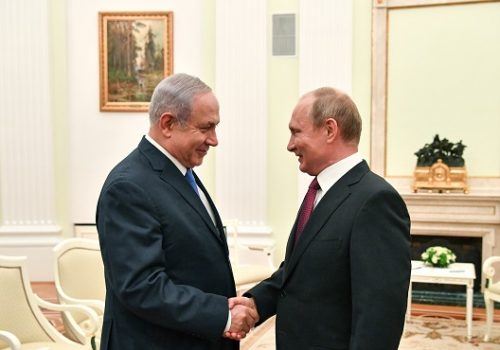
Russia is a clear winner in US-Iran tensions

By Robert Czulda

Current tensions in the Persian Gulf are undoubtedly disturbing. Even if war is averted, the region faces a number of negative consequences, including lower investment and tourism as well as rising economic distress in an atmosphere of crisis and uncertainty.

Iran Russia

IranSource

May 23, 2019

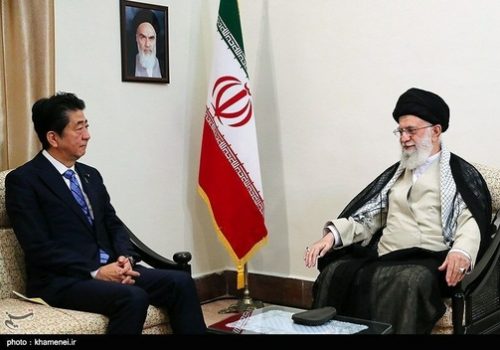
Saudi Arabia and Iran are adapting to perpetual conflict

By Banafsheh Keynoush

When rogue intelligence officers at the Saudi consulate in Istanbul killed journalist Jamal Khashoggi in October 2018, an official of Iran’s Islamic Revolutionary Guards Corps (IRGC) voiced concern over the surge of US media onslaught on Saudi Arabia. Echoing Iran’s conspiratorial views of the United States, the IRGC official questioned if Washington was planning to undermine Riyadh.

Iran Saudi Arabia

MENASource

May 21, 2019

What’s new, and what’s not, in the Kushner Middle East peace plan

By Ambassador Richard LeBaron

On May 19, The White House announced a “Peace to Prosperity” workshop to be held in Bahrain June 25-26 as the first step in its plan for peace between Israelis and Palestinians. The meeting was described as “a pivotal opportunity to convene government, civil society, and business leaders to share ideas, discuss strategies, and galvanize support for potential economic investments and initiatives that could be made possible by a peace agreement.” 

Israel Middle East

MENASource

May 21, 2019

Kuwait’s apprehension about normalizing relations with Syria

By Theodore Karasik and Tristan Ober

With the Syrian civil war winding down, politicians and observers alike recognize that President Bashar al-Assad has managed to retain his position as Syria’s head-of-state. Some countries have moved swiftly in acknowledging the outcome of the conflict by reinstating diplomatic ties with the Assad regime and reopening embassies in Damascus. The United Arab Emirates (UAE) and Bahrain, which, to varying degrees, opposed Assad after the civil war erupted, are two salient examples of this trend.

Middle East Syria

SyriaSource

May 17, 2019

The risks of ignoring former ISIS women members

By Feras Hanoush

Rehabilitating former ISIS members—including women—in former ISIS territories is a necessary step to prevent the extremist organization from resurging and put an end to the violence and extremism it represented.

Extremism Syria

New Atlanticist

May 17, 2019

Iraq: In the crossfire of a potential US-Iran conflict?

By Abbas Kadhim

If a new conflict erupts in the region, it will complicate the situation for Iraq in some unimaginable ways, even if Iraq is not directly involved.

Iran Iraq

IranSource

May 15, 2019

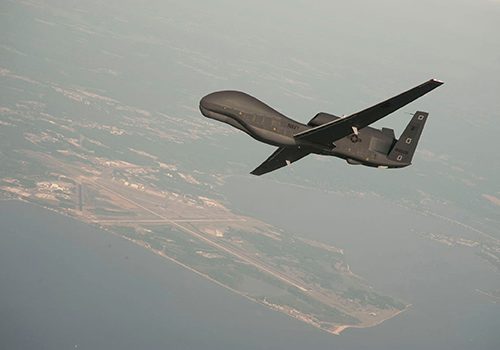
A week of looming conflict between the United States and Iran

By Nader Uskowi

May 8 was the first anniversary of US President Donald Trump’s exit from the Iran nuclear deal, also known as the Joint Comprehensive Plan of Action (JCPOA). The Islamic Republic marked the occasion by announcing that it would defy the JCPOA’s limits on the amounts of enriched uranium and heavy water in its inventory.

Iran

SyriaSource

May 14, 2019

‘A slow death’ : Syrians continue to suffer in Idlib

By Tesbih Habbal

An estimated three million people live in Idlib, many of whom have already been forced to leave their homes many times. The UN Office for the Coordination of Humanitarian Affairs (OCHA) estimated that the recent escalation has displaced some 152,000 people between April 29 and May 5 to the north. But Turkish forces, occupying areas of northern Syria including the city of Afrin and Azaz, are stopping Syrians from entering into these areas. And Syrians have no place to go.

Syria