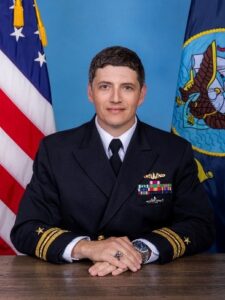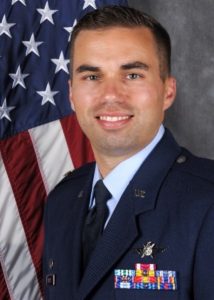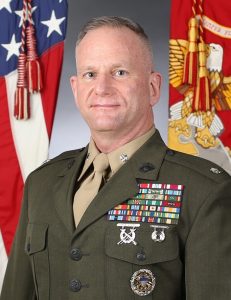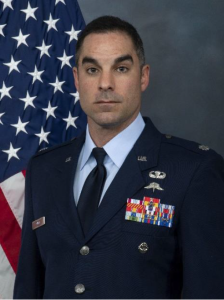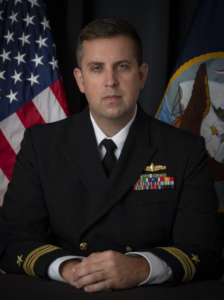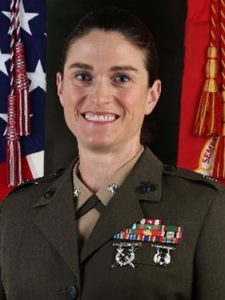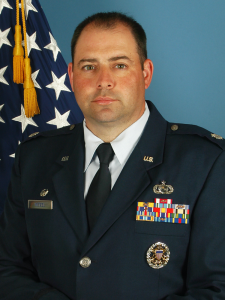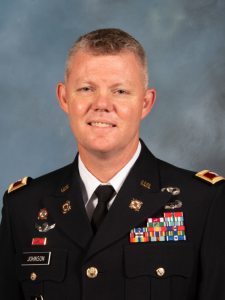
Scowcroft Center military fellows program

The Scowcroft Center for Strategy and Security’s Forward Defense practice is proud to host military fellows from participating branches of the US military and the armed forces of US allies and partners each year as part of a twelve-month fellowship program.

About the program

The Scowcroft Center for Strategy and Security‘s Forward Defense practice is proud to host military fellows from participating branches of the US military and the armed forces of US allies and partners each year as part of a twelve-month fellowship program. The Scowcroft Center sees this as a unique and important opportunity for members of the military to gain experience in a civilian professional environment at an important time in their careers, work through a rigorous curriculum concentrated on strategic foresight and strategy development, and contribute to substantive debates on national security and foreign policy. Simultaneously, the Atlantic Council gains the opportunity to learn from fellows’ expertise, exchange knowledge, and further shared understanding of military thought and operations in accordance with General Brent Scowcroft‘s commitment to mentorship.

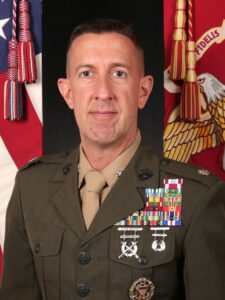
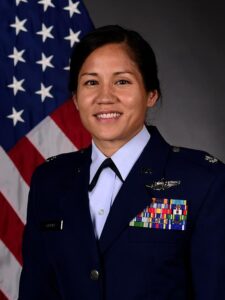
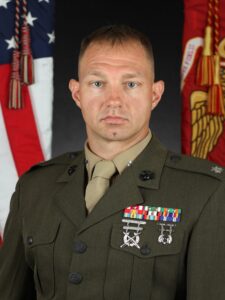
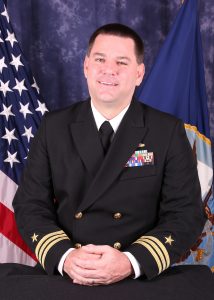
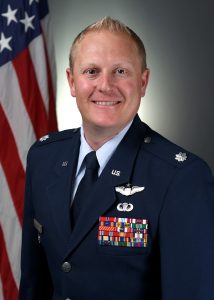
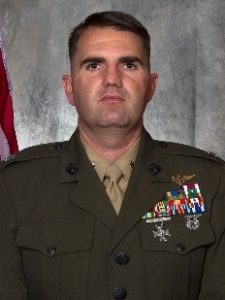
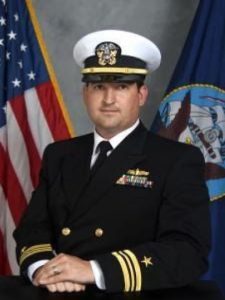
Meet our current military fellows

Featured content
Issue Brief

Apr 7, 2026

Fusion on paper or in practice? Making the cloud work for ISR and NATO

By Martin Zuber, Trey Herr

NATO’s eastern flank is under persistent pressure across multiple domains. The Alliance's core challenge is not sensing capacity

Defense Technologies NATO

Dispatches

Feb 3, 2026

The Marine Corps presence in Okinawa is critical to deterring China and North Korea

By Caleb Eames, Amy Cowley

Shifting US forces away from Okinawa would undermine deterrence in the Indo-Pacific by pulling critical rapid-response forces from the First Island Chain.

Conflict Defense Policy

Dispatches

Jan 22, 2026

The right to repair is a modern combat readiness imperative. Congress should enshrine it in law.

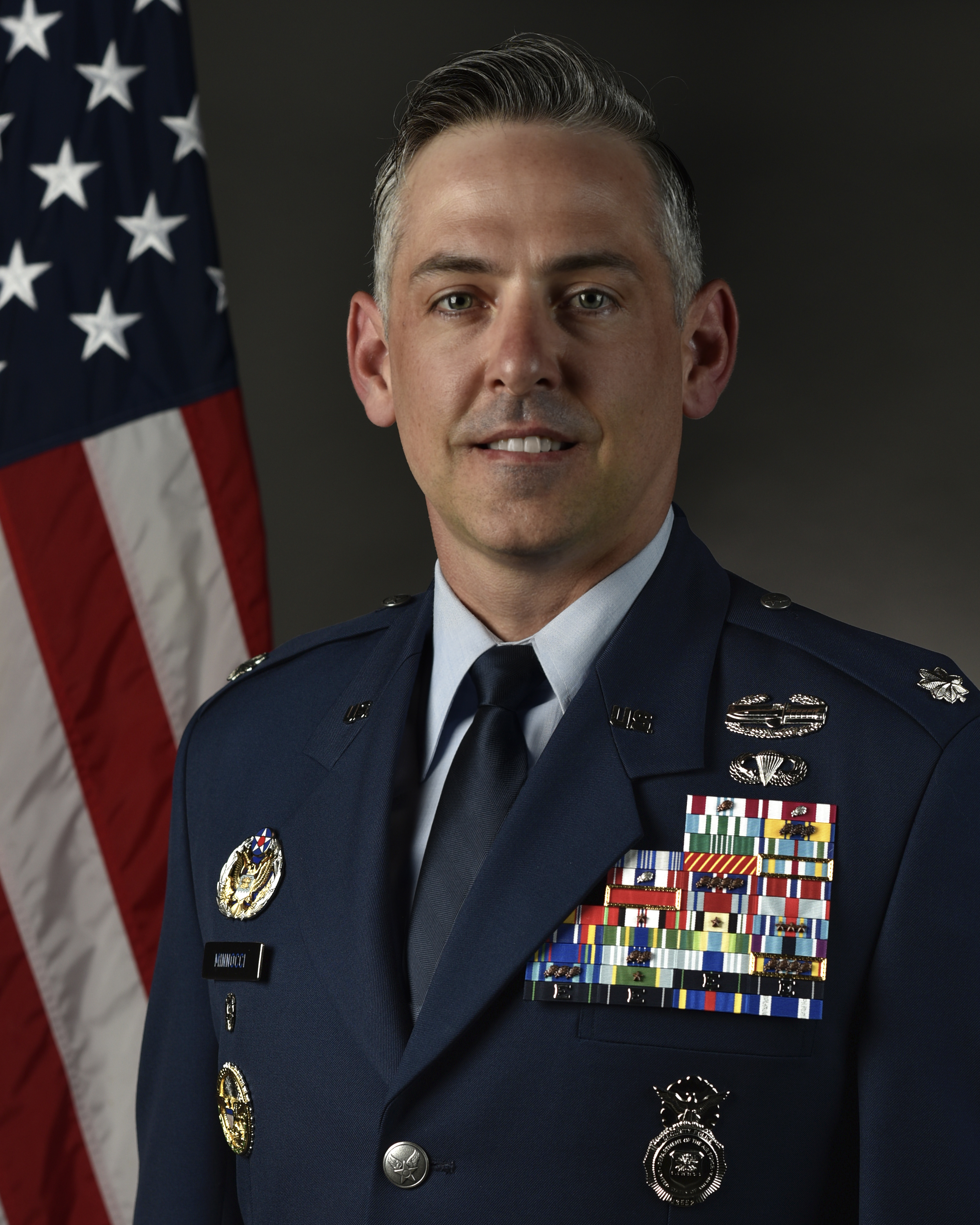
By Dan Minnocci

Without right to repair legislation, restrictions that prevent servicemembers from repairing military equipment in the field risk harming US military readiness.

United States and Canada

New Atlanticist

Jan 9, 2025

The US is right to be concerned about China’s influence over the Panama Canal

By Gregg Curley

Legitimate concerns about growing Chinese influence over the canal demand Washington’s attention and warrant a measured, diplomatic approach.

China Latin America

New Atlanticist

Oct 28, 2024

The US needs a stronger defense industrial base. Option contracts can help.

By Michael Hogan

The US government would pay a premium on current orders, but it would then have the option to purchase a larger amount within a fixed timeframe.

Defense Industry Defense Policy

New Atlanticist

Sep 16, 2024

How Ukraine’s Kursk incursion echoes the Gettysburg campaign

By Gregg Curley

Viewing the Kursk incursion through the lens of the climactic campaign of the US Civil War offers a relevant framework for interpreting Ukraine’s motivations, possible outcomes, and long-term strategic objectives.

Conflict Defense Policy

Strategy paper series

During their twelve-month fellowship, each military fellow writes a strategy paper unpacking a critical twenty-first century security challenge.

Russia crisis military assessment

Following Russia’s invasion of Ukraine in February 2022, the Scowcroft Center military fellows provided regular assessments of the force developments surrounding Ukraine.

Scowcroft Center military fellowship alumni
Learn more
Forward Defense leads the Atlantic Council’s US and global defense programming, developing actionable recommendations for the United States and its allies and partners to compete, innovate, and navigate the rapidly evolving character of warfare. Through its work on US defense policy and force design, the military applications of advanced technology, space security, strategic deterrence, and defense industrial revitalization, it informs the strategies, policies, and capabilities that the United States will need to deter, and, if necessary, prevail in major-power conflict.