
South Asia

South Asia is home to over 1.8 billion people and the largest youth population in the world. It includes India, Pakistan, Afghanistan, Sri Lanka, Bangladesh, Nepal, Bhutan, and the Maldives. As one of the fastest-growing regions in the world, it serves as a strong economic link between the East and the West. South Asia’s strong global connections make it a zone of opportunity for businesses and governments engaging in infrastructure development, trade, and economic development.

Programs

The South Asia Center is the hub for the Atlantic Council’s analysis of the political, social, geographical, and cultural diversity of the region. ​At the intersection of South Asia and its geopolitics, SAC cultivates dialogue to shape policy and forge ties between the region and the global community.
Content

SouthAsiaSource

Mar 20, 2023

<strong>Who is behind the killings of Kashmiri militants in Pakistan?</strong>

By Anonymous

Editor’s note: We have decided to retract this article because it did not go through the Atlantic Council's standard editorial process prior to publication and therefore did not meet our editorial standards. We regret the error.

Extremism India

Econographics

Mar 20, 2023

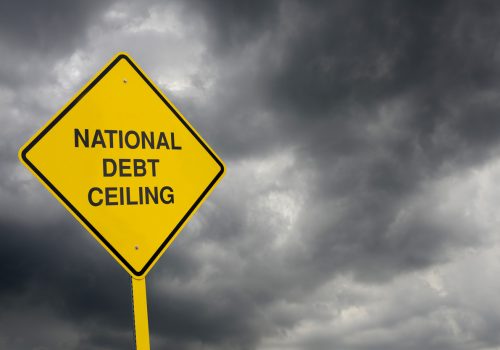
The US debt limit is a global outlier

By Mrugank Bhusari

Debt limits are not the norm in public finance. But countries that have adopted them do not let them cause economic chaos.

Economy & Business Europe & Eurasia

In the News

Mar 17, 2023

Shahid quoted in Article 14: How Indian media mainstreamed the ‘Land Jihad’ propaganda

By Atlantic Council

Disinformation India

MENASource

Mar 16, 2023

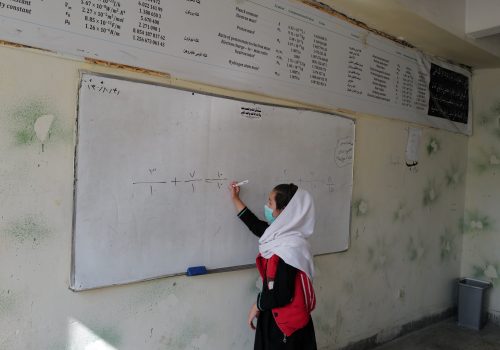
I was once denied an education in Iraq. This is why the Taliban’s prohibition on female education matters.

By Nibras Basitkey

As an Iraqi refugee who understands the importance of education, I recognize that achieving gender parity in education is critical for Afghanistan’s long-term economic growth and prosperity.

Afghanistan Education

UkraineAlert

Mar 14, 2023

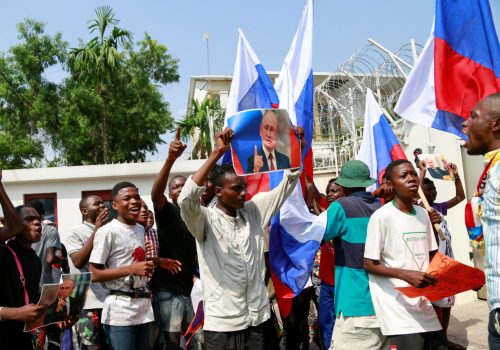
Ukraine must do more to counter Russian narratives in the Global South

By Mitchell Polman

While Ukraine enjoys overwhelming support from the West, the Global South remains reluctant to oppose or even criticize Russia's ongoing invasion. Ukraine must do more to influence opinion in Asia, Africa, and Latin America.

Africa Conflict

In the News

Mar 13, 2023

Nonresident Fellow Niva Yau in The Guardian: How China sees Central Asia in Xi’s third term

By Atlantic Council

On May 13, 2022, Global China Hub nonresident fellow Niva Yau was quoted in The Guardian on China and Central Asian countries’ mutual perception at the beginning of Xi’s third term. Since the start of the war in Ukraine, “the region is looking for solutions that China cannot provide,” says Niva Yau, a non-resident fellow […]

China East Asia

SouthAsiaSource

Mar 9, 2023

<strong>With Pakistan’s economy in freefall, Chinese economic and military influence is likely to grow in the country</strong>

By Uzair Younus

This essay explores the potential impact of the ongoing crises on the China-Pakistan relationship and its implications for US-Pakistan bilateral relations, especially in the context of the growing strategic competition between the United States and China.

China Economy & Business

Issue Brief

Mar 8, 2023

Inside Bangladesh’s new data protection laws

By Stephen Weymouth

The 2022 Draft Data Protection Act (DPA), which establishes new restrictions related to the processing, storage, and transfer of data, appears to move Bangladesh’s digital governance in a different direction.

Bangladesh Digital Policy

In the News

Mar 7, 2023

“Can India Be America’s Ally Against China?” Nonresident Senior Fellow Michael Schuman for The Atlantic

On February 20, Nonresident Fellow Tuvia Gering was quoted in the South China Morning Post on Iranian President Raisi's visit to Beijing.

China India

SouthAsiaSource

Mar 6, 2023

Amid Pakistan’s political and economic turmoil, risks to curbs on digital freedoms grow

By Uzair Younus

Growing polarization and instability in Pakistan have increased the likelihood that as elections draw near, curbs on speech, largely limited thus far to television channels, may extend to internet platforms like YouTube, Facebook, and Twitter.

Civil Society Elections

Experts