Category: Blogs

Content

EnergySource

Dec 5, 2019

What does a sunset coal industry tell oil producers about peak demand?

By Henning Gloystein

When it eventually peaks, a look at coal gives a glimpse of what could happen in other sectors. Peak demand does not mean consumption will fall off a cliff—coal demand has so far plateaued at or near records, with pockets of growth still around. What could this mean for oil?

Energy Transitions Oil and Gas

IranSource

Dec 5, 2019

Assessing US policy toward Iran

By Kenneth Katzman

The effectiveness of any US policy needs to be measured against the primary objective it is seeking to accomplish. A policy might be changing some conditions in a target country, but not others. The conditions that are being changed by US policy might be material to US interests, or they might not. The key question […]

Financial Sanctions and Economic Coercion Iran

UkraineAlert

Dec 4, 2019

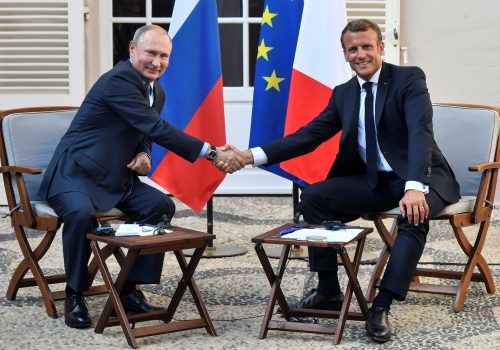
The shadow of Munich hangs over Russia-Ukraine Paris peace talks

By Bohdan Nahaylo

Ukraine's President Zelenskyy will meet Russian leader Vladimir Putin face-to-face for the first time next week at Paris peace talks hosted by French President Emmanuel Macron. With France publicly promoting the need for improved ties with the Kremlin, many fear Ukraine could face pressure to make dangerous concessions.

Conflict Crisis Management

UkraineAlert

Dec 4, 2019

Profit over principle: Apple appeases the Kremlin

By Diane Francis

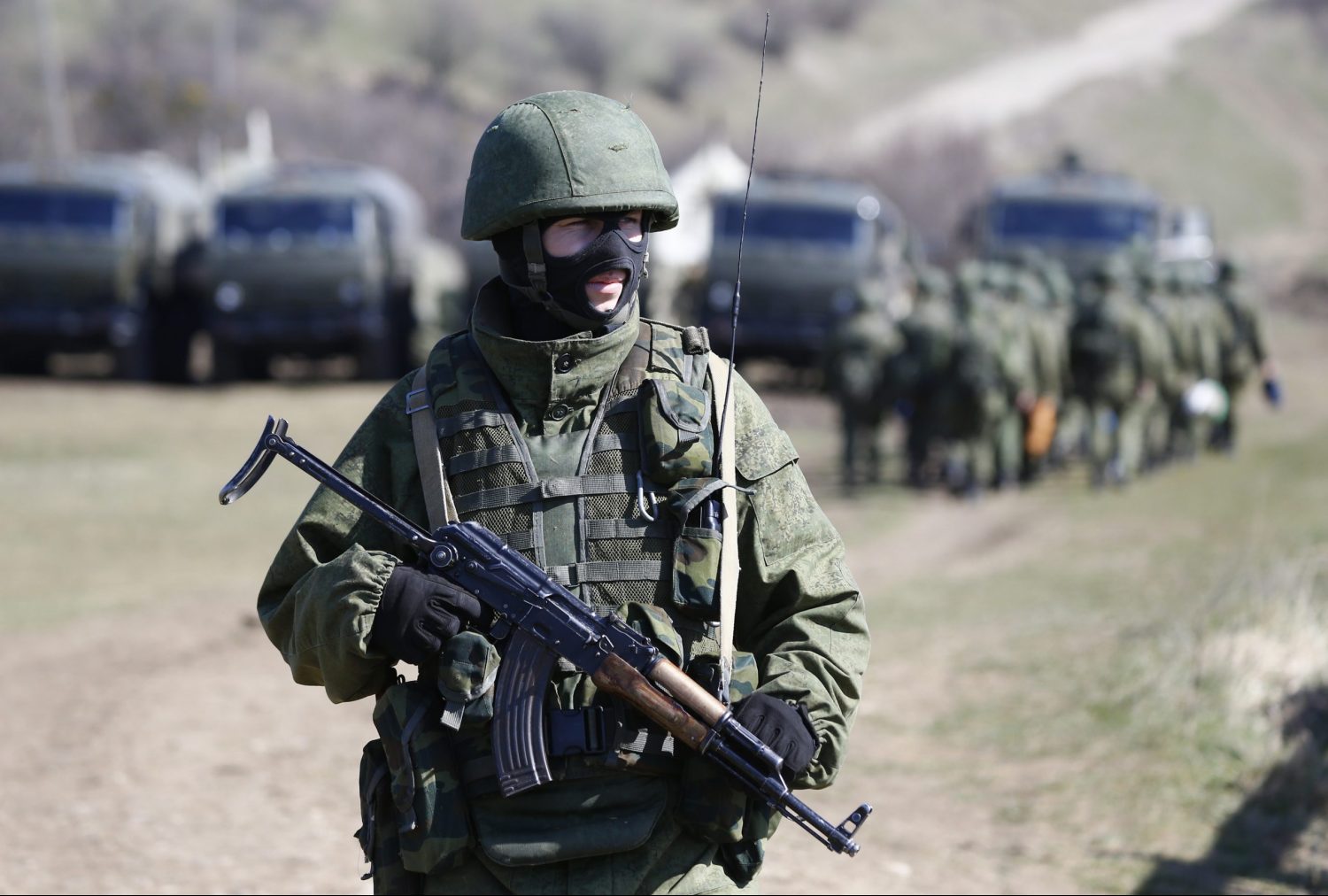
Apple has changed the labelling on its apps for Russian users and now shows Ukraine's occupied Crimean peninsula as Russian territory. This follows a similar move by Google earlier in 2019. By bowing to the Kremlin's demands, do global tech giants risk normalizing Russian aggression against Ukraine?

Conflict Disinformation

New Atlanticist

Dec 4, 2019

US legislators: Washington’s support for Ukraine is still strong

By David A. Wemer

While Ukraine remains a primary feature of intense domestic political struggles, several US lawmakers assured on December 4 that support for Ukraine remains ironclad in Washington.

Ukraine

New Atlanticist

Dec 4, 2019

NATO leaders disperse the storm clouds in London

By David A. Wemer

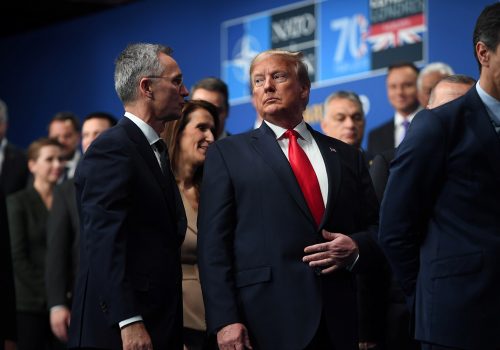
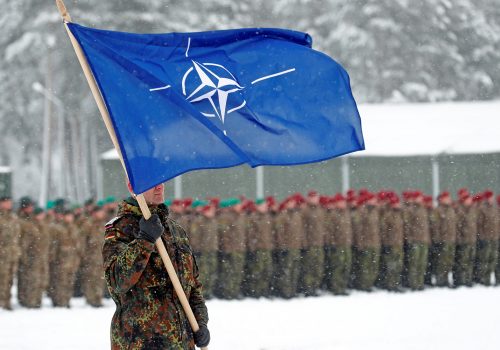
Despite a litany of high-profile disagreements between allies over the last few weeks, the NATO Leaders’ Meeting in London on December 4 “ended on a very positive note,” with a “pretty substantial declaration and agenda for the future,” according to Alexander Vershbow. The meeting, Vershbow observed, “went in like a lion and out like a lamb.”

NATO

New Atlanticist

Dec 3, 2019

Brazil and Argentina surprised by tariff announcement: What comes next?

By Jasper Gilardi

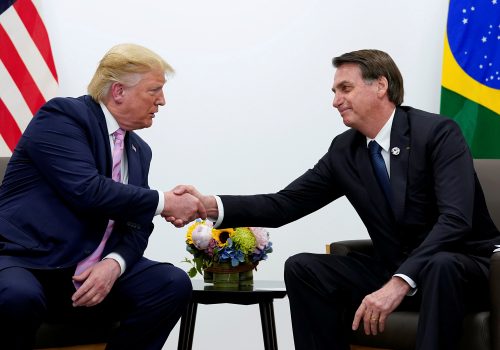
On December 2, US President Donald J. Trump announced that he would impose new tariffs on Brazilian and Argentinian steel and aluminum coming into the United States, a retaliation for alleged currency manipulation, which he claimed was hurting US farmers.

Argentina Brazil

New Atlanticist

Dec 3, 2019

Don’t be fooled: Russia is still NATO’s greatest challenge

By David A. Wemer

“Russia has shown with its actions that it is a serious security threat,” Estonian defense minister Jüri Luik said during a panel discussion on Baltic and Black sea security during the NATO engages event in London on December 3. “For Lithuania, [Russia] is the only external existential threat we have,” added Lithuanian defense minister Raimundas Karoblis.

NATO Northern Europe

New Atlanticist

Dec 3, 2019

Norwegian PM explains how NATO can help combat climate change

By Om Arvind

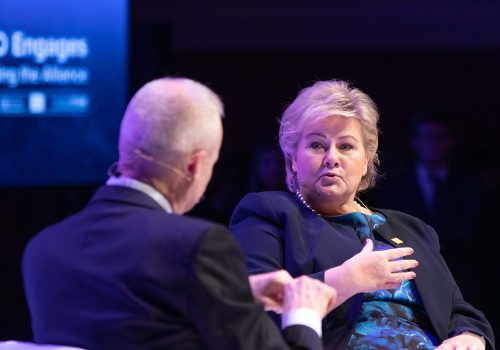
Solberg admitted that she doesn’t think “we will solve this by our defense part of NATO,” but stressed that NATO leaders can help spur greater action. “What we really have to do,” she said, “is [to] stop climate change [and] make sure that we invest now instead of having to invest a lot in the future to work on the damages. It is much less costly to prevent climate change than it will be to adapt to it – on all levels of our society.”

Climate Change & Climate Action NATO

New Atlanticist

Dec 3, 2019

Trudeau and Rutte say NATO’s future is “bright,” not “brain-dead”

By John Burton

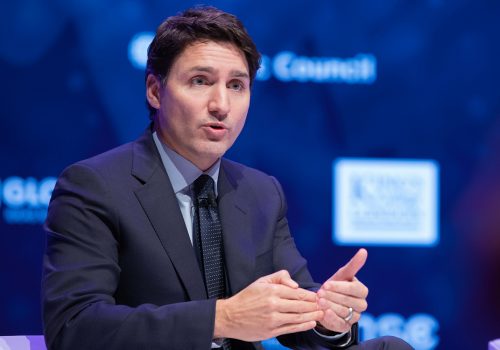
Trudeau said that “NATO has survived for seventy years because we’ve always had frank, real conversations. There have been disagreements that we’ve worked through. There have been differences and prospective differences in priorities that have ended up with a more resilient, more flexible, more agile organization that has adapted to the times we’ve had.”

NATO United States and Canada