Recent analysis
Dispatches
Mar 17, 2026
How the Iran war could trigger a European energy crisis
By
Lisa Basquel
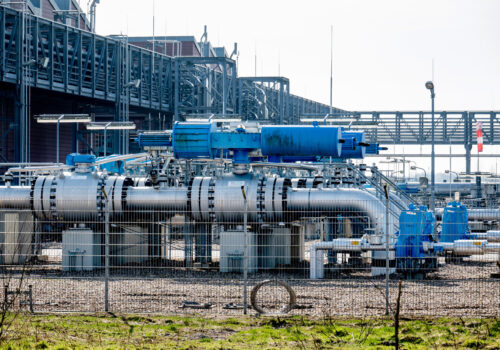
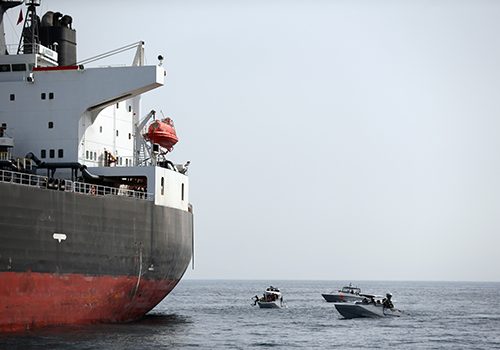
Refilling Europe’s depleted gas storage—already a difficult task given the continent’s efforts to stop purchasing Russian gas—is even more difficult now with the Strait of Hormuz effectively closed.
UkraineAlert
Mar 17, 2026
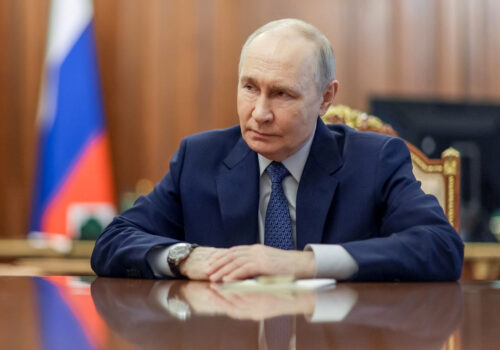
The Iran war is good for the Russian economy but bad for Putin’s prestige
By
Maksym Beznosiuk, Will Dixon
From Armenia and Syria to Venezuela and Iran, Moscow’s inability since 2022 to aid its allies in times of crisis has seriously damaged Russia’s reputation as a global power, write Maksym Beznosiuk and Will Dixon.
Dispatches
Mar 13, 2026
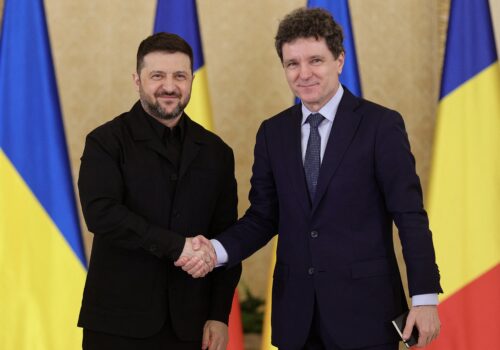
Romania’s drone and energy plans with Ukraine make Europe stronger and more secure
Romanian President Nicușor Dan hosted his Ukrainian counterpart on March 12, underscoring Bucharest’s growing role in regional security.
Programs

The Global Energy Center develops and promotes pragmatic and nonpartisan policy solutions designed to advance global energy security, enhance economic opportunity, and accelerate pathways to net-zero emissions.
Events
Content


Experts






Events