Nuclear Energy

The increasing global demand for low-carbon electricity sources has made nuclear an attractive and reliable energy source. Nuclear power is crucial to reaching international climate goals—especially given its ability to decarbonize electricity systems and “hard-to-abate” industries—and maintaining global security. A robust civil nuclear-export program can strengthen US climate diplomacy and will ensure the highest safety and nonproliferation standards as new countries seek to build nuclear-energy programs. As the United States grapples with geopolitical challenges posed by growing Russian and Chinese nuclear exports, civil nuclear cooperation between the United States and its allies and partners will become even more essential.

Recent analysis

Programs and initiatives

Events

Content

EnergySource

Nov 7, 2020

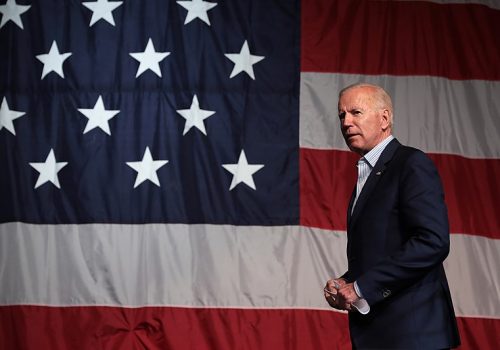
Nuclear energy policy represents a bipartisan path forward on climate for the Biden Administration

By Jennifer T. Gordon

With former Vice President Joe Biden now the President-elect of the United States, enthusiasm on the left is tempered by the likelihood that Republicans will keep the Senate. However, while the full scope of Democratic policies may not be realized by the next Congress, legislation that encourages the rapid deployment of nuclear energy technology represents an area where Democrats and Republicans can continue to work together—as they have over the last four years—on advancing technologies with the potential to decarbonize power systems at home and abroad.

Energy & Environment Energy Transitions

EnergySource

Oct 7, 2020

Strengthening cooperation with allies could help the United States lead in exporting carbon-free nuclear energy

By Matt Bowen, Jennifer T. Gordon, Jackie (Kempfer) Siebens

Driven in part by concerns over climate change, nuclear energy is receiving renewed attention. In order for the United States to meet growing international demand for nuclear reactors—rather than ceding the mantle of global exports to Russia and China—the United States will need to increase coordination with its allies in commercializing advanced reactors and streamlining relevant interagency processes.

Energy & Environment Geopolitics & Energy Security

In-Depth Research & Reports

Sep 14, 2020

Innovation in Nuclear Energy Technologies: Implications for US National Defense

By Dr. Robert F. Ichord, Jr. and Dr. Jennifer T. Gordon

The US Department of Defense (DOD) has the potential to play a significant role bringing advanced reactor technology to demonstration and, ultimately, commercialization. Possible US military applications of advanced reactors—especially micro nuclear reactors (MNRs)—include deployment to remote bases that are challenging to supply with fuel; power systems for directed-energy weapons; and nuclear energy systems for space flight and off-world bases. This issue brief explores the challenges and opportunities inherent in DOD’s procurement of MNRs.

Defense Technologies Energy & Environment

EnergySource

Aug 31, 2020

Nuclear cooperation can bolster US-Slovenia ties

By Olga Khakova

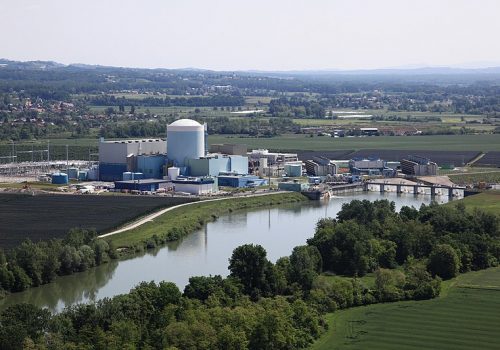
Nuclear energy will be essential to meeting Slovenia’s climate neutrality goals and strengthening the country’s energy self-sufficiency. Increased US-Slovenia cooperation on nuclear development will bolster transatlantic ties and ensure safe and transparent nuclear plant operations.

Energy Transitions Europe & Eurasia

In the News

Aug 7, 2020

Cohen in Forbes: ITER, The World’s Largest Nuclear Fusion Project: A Big Step Forward

Energy & Environment Energy Markets & Governance

In the News

Aug 1, 2020

Azodi quoted in The New York Times on Iran’s foreign policy

Iran Nuclear Energy

EnergySource

Jul 24, 2020

Searching for the missing link: Options for firm zero-carbon power

By Stephen S. Greene

“Firm” zero-carbon generation resources, which are not necessarily intended to run all the time, but can be available at any time, will be needed to complement renewable resources in the future, without emitting the CO2 produced by today’s fossil energy system. These resources might include, for example, fossil-fuel power plants with carbon capture, nuclear power plants with improved dispatchability, geothermal power, and bio-fueled generators. But the path to developing, and certainly deploying, such resources has been slower and more fraught than for renewables; these “firm” electricity generation resources represent a missing link in the path towards a decarbonized electricity grid.

Energy & Environment Nuclear Energy

EnergySource

Jun 17, 2020

Innovation can break the gridlock on nuclear waste

By Michelle Brechtelsbauer

Innovation has always been a key tenet of the nuclear power industry. With scientific consensus building that nuclear power must play a significant role in mitigating climate change, there has been renewed focus on fuel design and fuel cycle research to support the next generation of nuclear technology. This attention also creates an opportunity to reinvigorate innovation on back-end technologies that may prove to be the key to circumventing the longtime political impasse on nuclear waste.

Energy & Environment Nuclear Energy

EnergySource

Jun 3, 2020

US nuclear energy leadership: The way forward

By Amb. Thomas Graham Jr.

The recently released report, Restoring America’s Competitive Nuclear Energy Advantage, commissioned by the US Department of Energy’s (DOE) Nuclear Fuel Working Group, is an important step forward for US national security, the battle against climate change, and the health of the US economy. After decades of misguided policy, this report puts the United States back on track in leading a worldwide nuclear energy system that is effective, reliable, and carbon free.

Energy & Environment Nuclear Energy

Press Release

Jun 1, 2020

Atlantic Council announces membership in Gender Champions in Nuclear Policy network

WASHINGTON, DC—June 1, 2020—On behalf of the Atlantic Council, President and CEO Frederick Kempe has announced his membership in Gender Champions in Nuclear Policy (GCNP), a leadership network that brings together heads of organizations working in nuclear policy who are committed to breaking down gender barriers and making gender equality a working reality within their […]

Nuclear Energy

Experts

Events