About the center

The Rafik Hariri Center for the Middle East examines the barriers preventing many people in the region from reaching their fullest potential. Our work also highlights success stories of individuals and institutions who overcame significant challenges in pursuit of social, economic, and political progress. Inspired by these examples, we delineate practical and implementable policy recommendations that policymakers in the United States, Europe, and the Middle East can implement to unleash the region’s economic and human potential.

Featured commentary & analysis
Featured in-depth research & reports
Leadership

Subscribe to get the latest analysis straight to your inbox

Events

We convene the most important stakeholders on issues of primary concern to the transatlantic community when it comes the Middle East and North Africa, from senior US and Middle East government officials to civil society activists and budding entrepreneurs.

Past events

Content

SyriaSource

Sep 28, 2018

Lessons learned? Canada’s problematic Syrian resettlement process

By Gareth Chantler

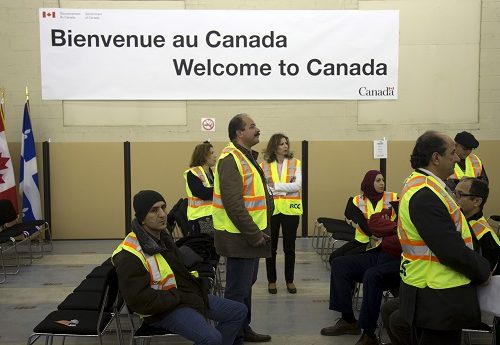
In late 2015, Canada’s Liberal Party led by Justin Trudeau was elected, in part on a promise to resettle 25,000 Syrian refugees. The Liberal Party leveraged the ‘success’ into branding opportunities—championing ‘the Canadian model’ at home and abroad. They delivered, but, in their haste, the limitations of Canada’s foreign missions were exposed as problematic with inefficient policies and practices. Without political pressure to learn from these mistakes, it is unclear if Canada’s policies for processing large numbers of refugees will improve.

Syria

SyriaSource

Sep 27, 2018

Three years later: the evolution of Russia’s military intervention in Syria

By Joseph Daher

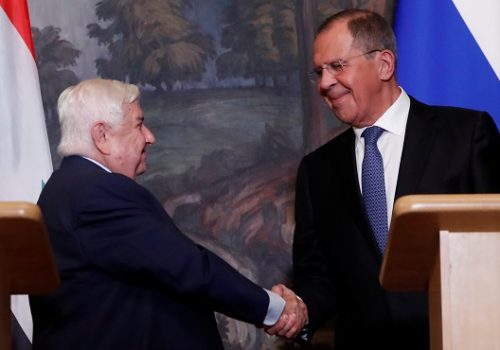
Syria was the first time that Moscow had launched a major military operation outside its borders since the end of the Cold War. Backed by Russian air power and Iranian militias on the ground, the Syrian regime has been able to topple armed opposition strongholds and assert control over all of the country’s major cities. While initially supporting its Syrian ally politically through the UN Security Council and economically through at-cost weapons deals, by adding its military support Russia dramatically turned the tide in favor of the Assad regime and changed the trajectory of the conflict.

Russia Syria

SyriaSource

Sep 26, 2018

How the Kurds navigate fluid and convenient allies: the Syrian regime and the US

By Sam Fouad

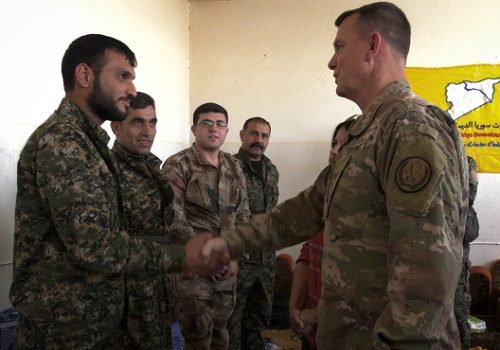
With reports that the Kurdish-led Syrian Democratic Council (SDC)—the political wing of the American-backed Syrian Democratic Forces (SDF)—is meeting with Syrian president Bashar al-Assad for diplomatic talks, the possibility of greater Kurdish representation, or even autonomy, in Syria has found an unlikely boost.

Syria

MENASource

Sep 26, 2018

Egypt’s options in the development of the Ethiopian dam

By Hafsa Halawa

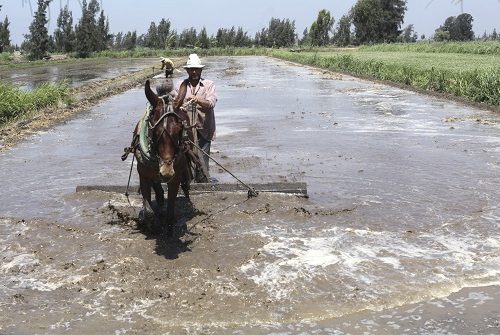
For decades, Egypt focused primarily on its foreign policy in the Middle East and North Africa, and in the process neglected its Horn of Africa policy. Meanwhile, Ethiopia began construction on the Grand Ethiopian Renaissance Dam (GERD) on the Nile River. Problems along the Nile continue for Egypt as droughts, rising temperatures, and general effects of climate change demand a response to Egypt’s growing water needs.

North Africa

SyriaSource

Sep 26, 2018

Trump, Mattis, Bolton: on the same page?

By Frederic C. Hof

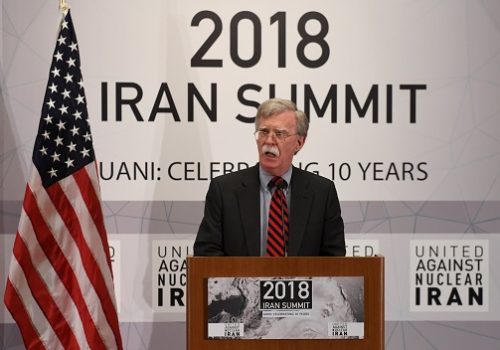
Recent remarks by National Security Advisor John Bolton suggesting that the United States will maintain a presence—presumably military—in Syria until the departure of Iranian-led forces from that ruined country have inspired a flurry of media commentary, questioning, and speculation.

Syria

SyriaSource

Sep 20, 2018

The long war in Idlib

By Faysal Itani

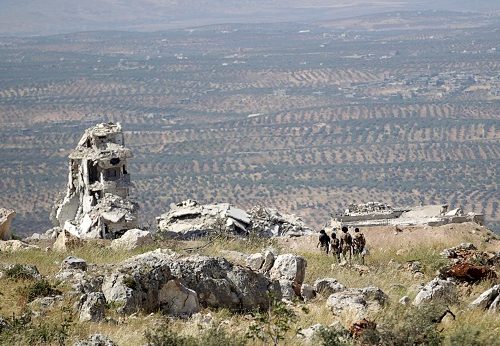
A Syrian regime offensive on Idlib province has been avoided for now, through a Russian-Turkish agreement. This is a much-needed reprieve for the beleaguered people of Idlib. Turkey, Russia, and the United States are likely relieved as well.

Syria

MENASource

Sep 19, 2018

What do the renewed protests in Iraq mean?

By Caroline Rose

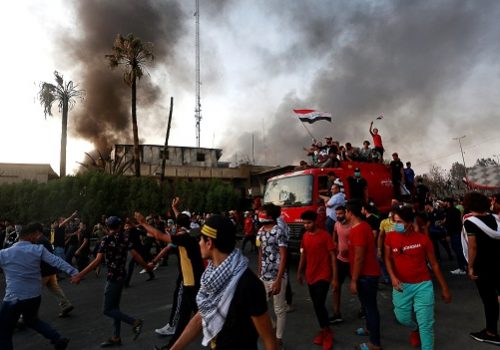
Civilian unrest in Iraq has refocused its attention on Haider al-Abadi and the Islamic Dawa party. Ongoing demonstrations this month in the southern city of Basra indicate trouble ahead for the Iraqi federal government and foreshadow an end to Haider al-Abadi’s run as prime minister, as he does not seek a second term.

Iraq

SyriaSource

Sep 19, 2018

Military developments in Idlib

By Clara Belk, Daniel Kamlarz, and Aisha Han

Damascus’s escalations in the rebel-held Idlib province in northwestern Syria in August and early September preempted tensions between the Syrian President Bashar al-Assad and his Turkish counterpart Recep Tayyip Erdogan.

Syria

SyriaSource

Sep 18, 2018

From Syria with love, Senator McCain

By Jomana Qaddour and Suzanne Meriden

The Arab Spring forever altered the lives of Syrian-Americans. The community now refers to life before and after the start of the Syrian revolution.

Syria

MENASource

Sep 17, 2018

One year later, the UN Action Plan for Libya is dead

By Elissa Miller

In September 2017, on the sidelines of a gathering of global leaders at the UN General Assembly (UNGA), Special Representative of the UN Secretary General to Libya Ghassan Salame presented an “action plan” for Libya that aimed to surmount Libya’s political stalemate and address persistent instability.

Libya