Oil & Gas

Even in a more carbon-conscious world, oil and gas will continue to play a significant role in the global energy system. From petrochemicals to power generation, oil and gas technologies will be a central player in the “dual challenge” of meeting increased energy demand and the need for low-carbon energy, making oil and gas still critical for international trade, investment, and geopolitics.

Recent analysis

Programs

The Global Energy Center develops and promotes pragmatic and nonpartisan policy solutions designed to advance global energy security, enhance economic opportunity, and accelerate pathways to net-zero emissions.

Events

Global Energy Forum

Jan 9, 2020

European energy diversification: How alternative sources, routes, and clean technologies can bolster energy security and decarbonization

By Richard L. Morningstar, András Simonyi, Olga Khakova, Irina Markina

The European Union’s efforts to achieve a carbon-neutral economy present a unique and timely opportunity to strengthen European energy security. What is the EU currently doing to meet its decarbonization goals, address the role of natural gas in Europe’s low-carbon future, and explain the potential for new gas sources, alternative gas routes, and clean energy technologies to reduce carbon emissions? And how can this be done while simultaneously increasing European energy security and opportunities for transatlantic cooperation?

Energy Markets & Governance Energy Transitions
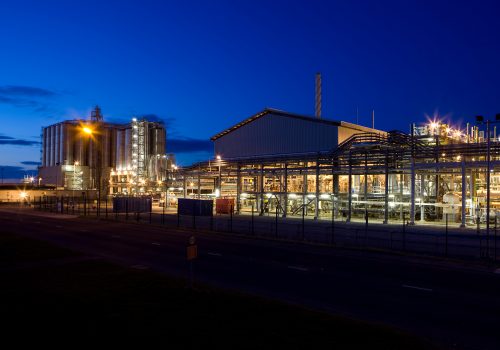
Manufacturing facility

Global Energy Forum

Jan 9, 2020

The Saudi Aramco-SABIC merger: How acquiring SABIC fits into Aramco’s long-term diversification strategy

By Private: Jean-François Seznec

Throughout 2019, financial markets have watched the planned Saudi Aramco initial public offering (IPO), which was finally launched in December. A quieter, but no less significant, story was the Saudi oil company’s acquisition of SABIC. Saudi Aramco strove to have a successful IPO, especially through increased transparency and diversification, and the SABIC acquisition was a key element of Saudi oil company's diversification strategy. Going forward, what does the merger mean for both companies, what is the new relationship between Saudi Aramco and SABIC, and what are the merger’s implications for the intricate relationship between the various bureaucracies and leadership in Saudi Arabia?
Energy Markets & Governance Energy Transitions

Content

Report

Jun 10, 2021

Shifting gears: Geopolitics of the global energy transition

By Robert J. Johnston

A peak in global oil demand would have significant geopolitical and geoeconomic consequences for oil-producing and importing states alike. And while oil resources have afforded leverage to producing nations, many of these countries have not diversified their economies and remain highly dependent on oil revenue for economic and national stability.

Energy & Environment Energy Transitions

In the News

May 14, 2021

Ashford in InkStick: The cautionary tale of the pipeline

By Atlantic Council

On May 14, Emma Ashford wrote an article in Inkstick on the national security implications of the Colonial Pipeline cyber attack. “But while the broad particulars of this story are correct — the Colonial Pipeline was indeed the victim of a ransomware attack which halted transit and caused gasoline shortages up and down the East […]

Cybersecurity Oil and Gas

EnergySource

May 13, 2021

Colonial Pipeline attack demonstrates that a more coherent cybersecurity strategy is necessary

By Cynthia Quarterman

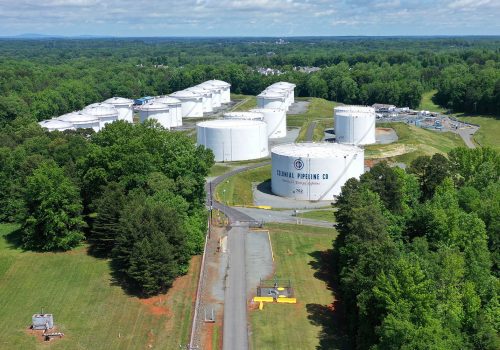
With the announcement that the Colonial Pipeline will reopen soon, the short-term effect of the Colonial cyberattack on gasoline, diesel, jet fuel, and other refined petroleum product prices is likely to be mildly escalatory and short-lived, but it exposes the soft underbelly of the nation’s critical energy infrastructure and the need for a more robust cybersecurity strategy to protect it.

Cybersecurity Energy & Environment

Fast Thinking

May 12, 2021

FAST THINKING: How bad will Israeli-Palestinian violence get?

By Atlantic Council

Is an all-out war brewing? What does this mean for Prime Minister Benjamin Netanyahu’s future? What role will regional and global powers now play in the confrontation? From Washington to Jerusalem, our experts are here to weigh in.

Cybersecurity Energy & Environment

Fast Thinking

May 11, 2021

FAST THINKING: How to stop the next pipeline hack

By Atlantic Council

The hack has been tied to an Eastern European (and possibly Russia-based) collective known as DarkSide and US President Joe Biden has said that Russia bears some responsibility for the hack, even though the attack does not appear to have been state-sponsored. How can companies fight back against this rising trend of ransomware attacks? What can the Biden administration do?

Cybersecurity Eastern Europe

UkraineAlert

Apr 29, 2021

Energy sanctions can prevent a new Russian offensive in Ukraine

By Ariel Cohen and David Pasmanik

Expanding US sanctions policy to target Russia’s energy industry remains one of the most powerful remaining tools available to the democratic world as it seeks to deter further Russian aggression in Ukraine.

Conflict European Union

UkraineAlert

Apr 28, 2021

Dismissal of Naftogaz CEO raises doubts over Ukraine’s corporate governance reforms

By Aura Sabadus

The Ukrainian government has dismissed Naftogaz CEO Andriy Kobolyev and the company’s supervisory board, raising serious questions over corporate governance reforms at the country's state-owned enterprises.

Oil and Gas Political Reform

Issue Brief

Apr 27, 2021

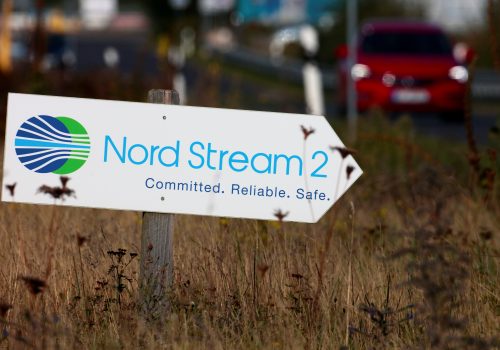
What will the impact be if Nord Stream 2 is completed?

By Anders Åslund

A completed Nord Stream 2 pipeline will have an impact on a number of issues, from national and energy security to geopolitical and governance considerations, all while the gas supply will hardly be impacted with costs already sunk. Does the pipeline make commercial sense?

Eastern Europe European Union

EnergySource

Apr 23, 2021

Long-term US-China liquefied natural gas trade will bring strategic benefits to both countries

By Serena Su

Despite a wide range of challenges within the US-China relationship, liquified natural gas (LNG) trade is one of the few areas that brings strategic benefits to both countries. US LNG is well positioned to provide China with a clean, affordable, and reliable energy source. In turn, multi-decade investment in new LNG infrastructure will bring well-paying jobs across the United States and support much needed post-pandemic economic recovery.

China Energy & Environment

In the News

Apr 6, 2021

Fontenrose joins CNBC to discuss US-Iran nuclear talks

Iran Oil and Gas

Experts

Events