

Financial Sanctions and Economic Coercion

Financial sanctions and other forms of economic coercion have become policy tools of choice for the US government to deter illegal activity by international actors or to pressure governments into reversing actions that harm US interests. Yet these instruments and their potential pitfalls are often misunderstood. Restrictive economic measures such as financial sanctions, export controls, tariffs, and investment screening can play an important role in advancing certain policy objectives, but they risk being ineffective if misapplied or poorly implemented. Policymakers must also recognize the impact of economic statecraft on the private sector, which bears many of the compliance burdens and operational costs associated with these measures.


Energy Sanctions Dashboard

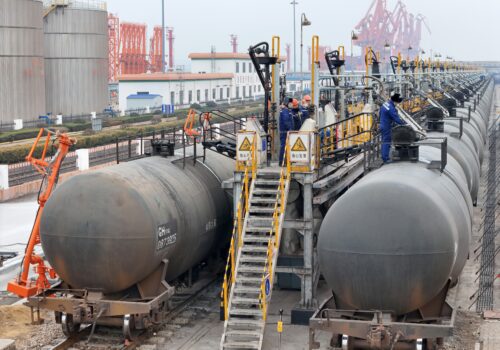
This dashboard focuses on US sanctions and restrictive measures placed on crude oil from Russia, Iran, and Venezuela—including the unintended consequences and the lessons learned.


Econographics

Apr 17, 2025

Russia Sanctions Database

By
Kimberly Donovan, Maia Nikoladze, Lize de Kruijf

The Atlantic Council’s Russia Sanctions Database tracks the level of coordination among Western allies in sanctioning Russian entities, individuals, vessels, and aircraft, and shows where gaps still remain.

Eastern Europe
Economy & Business

Recent analysis

Programs

At the intersection of economics, finance, and foreign policy, the GeoEconomics Center is a translation hub with the goal of helping shape a better global economic future.

Content

New Atlanticist

Feb 12, 2019

The US-Iranian relationship: let’s try engagement

By David A. Wemer

“I simply do not see the conditions for another revolution.” He saw “no evidence that there is a social base in Iran that wants to see a radical change," said Mohsen Milani, executive director of the University of South Florida’s Center for Strategic and Diplomatic Studies.

Financial Sanctions and Economic Coercion Iran

EconoGraphics

Feb 6, 2019

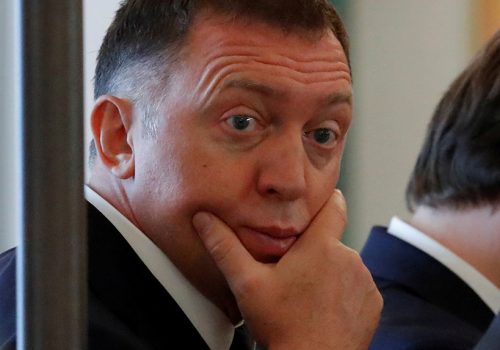
A Breakdown of the Sanctions Deal between the United States and Oleg Deripaska

By Ole Moehr | Graphics by Shiqing Hua and Zachary Coles

On January 16, a US Senate resolution to maintain US sanctions on the Russian aluminum giant RUSAL and its holding company EN+ failed to garner the necessary 60 votes to pass. As a result, the Trump administration lifted its economic sanctions on RUSAL and EN+ on January 27.

Economy & Business Financial Sanctions and Economic Coercion

New Atlanticist

Jan 31, 2019

New Venezuela sanctions need timely results

By Samantha Sultoon

One lesson of sanctions policy is that sanctions can work, but rarely on an ambitious timetable.

Financial Sanctions and Economic Coercion Venezuela

Global Energy Forum

Jan 12, 2019

United States determined to drive Iran’s oil exports down to zero

By Ashish Kumar Sen

The United States is determined to drive Iran’s oil exports down to zero in its effort to maximize economic pressure and force Tehran back to the negotiating table.

Arms Control Financial Sanctions and Economic Coercion

New Atlanticist

Jan 11, 2019

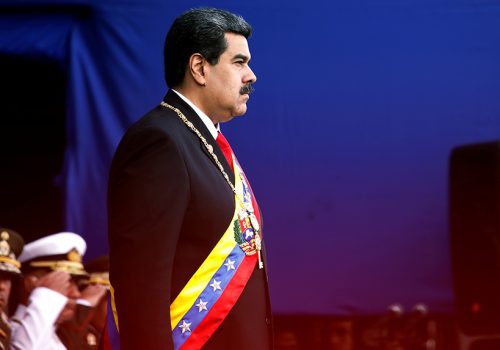
“The future looks dark” as Maduro begins second term in Venezuela

By David A. Wemer

The United States, Canada, the European Union, and most of Latin America’s major economies have refused to recognize Maduro’s election and are undertaking a sustained external pressure campaign against the regime.

Corruption Elections

New Atlanticist

Jan 11, 2019

Memo to Congress: treasury’s plan to lift sanctions on Russian oligarch’s companies is a good one

By Brian O’Toole and Samantha Sultoon

US politics should not stand in the way of effective, technocratic work by the professionals who are charged with executing US government sanctions policy on Russia.

Financial Sanctions and Economic Coercion Russia

UkraineAlert

Jan 4, 2019

Cheap ways to make Putin pay in Ukraine

By John E. Herbst

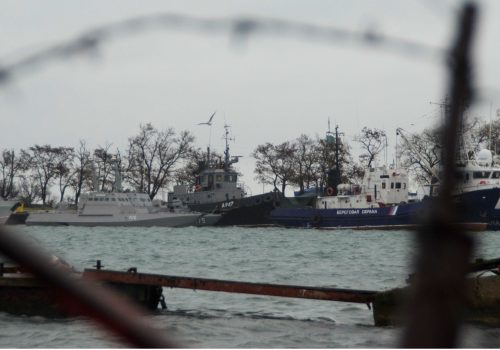
Six weeks ago, Russia attacked Ukraine in the Straits of Kerch and it made international news. US President Donald Trump canceled a high-level meeting with Russian President Vladimir Putin in response. Other governments denounced the Kremlin’s actions. Then the news faded. Right now, the weak Western response means that Putin has gained a tactical advantage, […]

Conflict Elections

New Atlanticist

Jan 3, 2019

The future financial war with China

By Michael B. Greenwald

Global banks are becoming increasingly risk averse for fear of being caught in the US Treasury’s crosshairs. Banks are right to be afraid of doing business with Huawei given precedent.

China Financial Sanctions and Economic Coercion

New Atlanticist

Dec 19, 2018

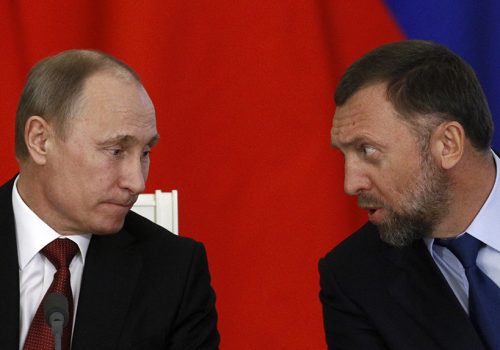
The RUSAL deal: a good outcome?

By Brian O'Toole

Sanctions targeting RUSAL’s founder and now indirect minority shareholder, Oleg Deripaska, worked exactly the way they are supposed to.

Financial Sanctions and Economic Coercion Russia

New Atlanticist

Dec 17, 2018

The United States and its allies need to understand China’s North Korea policy

By Taisuke Mibae

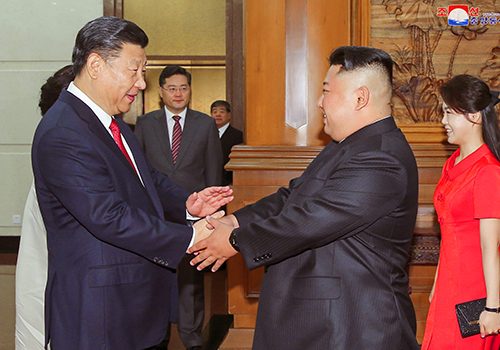
Japanese Prime Minister Shinzo Abe’s meeting with Chinese President Xi Jinping in Beijing on October 26 marked the first time in seven years that a serving Japanese prime minister has traveled to China for official bilateral meetings with his counterparts. Lost in the headlines of this historic summit was the fact that the two leaders […]

China Financial Sanctions and Economic Coercion

Experts