Rafik Hariri Center & Middle East Programs

The Rafik Hariri Center and Middle East Programs are leading the way in providing a forum for informing and galvanizing the transatlantic community to shape a stable and prosperous Middle East and North Africa. We have been at the vanguard of promoting peace and security and unlocking the region’s economic and human potential through the ideas we publish, the solutions we generate, and the communities we influence.

Featured Initiatives

Regions in focus
commentary & analysis

Our online publications feature thoughtful reflections and opinions on current events in the Middle East & North Africa.
In-depth research & reports

Our reports feature policy-relevant analysis that focuses on transatlantic priorities while centering the concerns of citizens in the Middle East.
Podcasts
Explore our online publications

Our inspiration
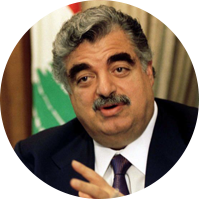
The Atlantic Council’s work on social, economic and human development issues in the Middle East honors the legacy of Rafik Hariri and his life’s mission to unlock the human and economic potential of the Arab world.

The Atlantic Council’s work on Middle East security honors the legacy of Brent Scowcroft and his tireless efforts to build a new security architecture for the region.

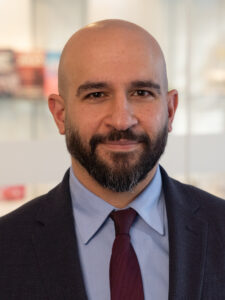
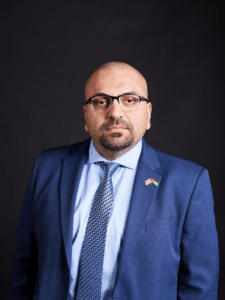
Leadership


Upcoming events

We convene the most important stakeholders on issues of primary concern to the transatlantic community when it comes the Middle East and North Africa, from senior US and Middle East government officials to civil society activists and budding entrepreneurs.

Past events

Stay Updated

Content

In the News

Jul 31, 2024

Pavia in Haaretz: An Increasingly Dictatorial, Antisemitic President Threatens Tunisia’s Jews

By Atlantic Council

Civil Society Middle East

In the News

Jul 31, 2024

Pavia in Haaretz: An increasingly dictatorial, antisemitic president threatens Tunisia’s Jews

By Atlantic Council

Middle East North Africa

In the News

Jul 31, 2024

Panikoff quoted in Financial Times on EU and US efforts to prevent regional war in the Middle East following Israeli assassinations

By Atlantic Council

Conflict Crisis Management

In the News

Jul 31, 2024

Citrinowicz quoted in the New York Post on Russia’s warning after death of Hamas leader

By Atlantic Council

Conflict Crisis Management

Podcast

Jul 30, 2024

‘I was a Blackwater mercenary in Iraq’

By Alia Brahimi

Host Alia Brahimi is joined by former Blackwater contractor Morgan Lerette to reflect on Loretta's experience a private military contractor in Iraq.

Conflict Defense Industry

Report

Jul 30, 2024

After 2011, the United States stayed on the sidelines—to Libya’s detriment

By Ben Fishman

When reflecting over the last decade of the US policy, especially in the Trump and Biden administrations, three consistent trends emerge: insufficient support for the UN political process to restore legitimacy to Libya’s political; leadership, repeated appeals to eastern warlord and head of the Libyan National Army (LNA) Khalifa Haftar to participate in a political process; and most consequentially for the United States, a seeming lack of attention to Russia’s increased presence in Libya.

Conflict Libya

Report

Jul 30, 2024

Libya is the crucial hub for Moscow’s activities in Africa

By Chiara Lovotti, Alissa Pavia

Over the past decade, Russia’s involvement in Libya is evidence of its realization that it could transition from a marginal power to a significant competitor in the country, and thus in the broader Middle East and North Africa.

Conflict Middle East

Report

Jul 30, 2024

After anti-migration efforts shrank its influence, Rome needs a new Libya policy

By Karim Mezran, Aldo Liga

It has been more than thirteen years since the outbreak of the 2011 Libyan revolution and the moment when Italy reluctantly supported the NATO-led intervention that imposed a no-fly zone over Libya purportedly to protect the population from Muammar Gaddafi’s retaliation.

Italy Libya

Report

Jul 30, 2024

Benghazi is a major stumbling block for national reconciliation efforts

By Mary Fitzgerald

In May 2014 Libyan General Khalifa Haftar launched a then-unauthorized military operation from Benghazi, Libya’s second city. The operation, which Haftar named Karama, or Dignity, was centered on but not limited to Benghazi; its declared aim was to eradicate what Haftar and his associates described as terrorism. However, it prompted a swell of armed opposition from those who suspected it was a pretext for the septuagenarian general’s ambition to rule Libya.

Conflict Libya

Report

Jul 30, 2024

Internationalized kleptocracy is on the rise in Libya

By Oliver Windridge

On April 16, 2024, UN Special Representative for Libya Abdoulaye Bathily announced he would resign, citing a “lack of political will and good faith” among Libyan leaders. Few would disagree with his diagnosis that the vested interests of Libyan leaders have created a roadblock for progress.

Conflict Libya