Libya

With its proximity to Europe, its significant oil reserves, and its strategic importance to the stability of the North Africa region, the ongoing turmoil in Libya is a concern for the United States and its allies. Rival factions serving as proxies to competing regional powers continue to destabilize the country and hamper any national dialogue efforts. The role of the United States and Europe will be essential in encouraging dialogue, supporting the arms embargo, and contributing to any post-war economic revitalization plan.

Content
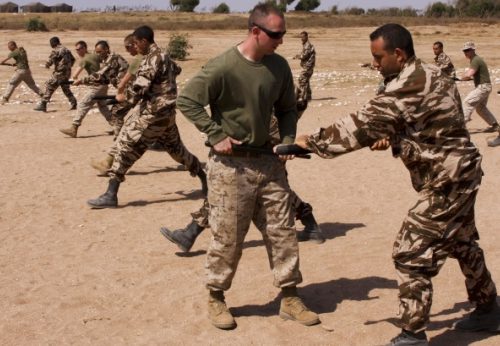
US and allies will train new army outside of Libya

NATOSource

Nov 5, 2013

US and European Allies Building Libyan Army Bilaterally, Instead of Through NATO

By Frederic Wehrey , Foreign Affairs

Last month, discussing the Obama administration’s plans for a more modest Middle East policy, National Security Adviser Susan Rice noted that Washington “can’t just be consumed 24/7 by one region, important as it is.”

Italy Libya

MENASource

Nov 5, 2013

Oil and Power in the New Libya

By Nate Mason

Shortly after the revolution there was great optimism among Libyans that one in the rapid succession of central governments would successfully lead the country. Those hopes were never realized because the highly centralized governance held over from the Qaddafi years ignored the fundamental shift in power to the peripheral municipalities that resulted from the revolution.

Libya
The Franco-German Brigade

NATOSource

Nov 1, 2013

The Widening Gap Between France and Germany Over Defense

By Judy Dempsey, Strategic Europe

Steadfast Jazz takes place against the background of a widening gap between France and Germany over defense and security matters.

European Union France

MENASource

Oct 30, 2013

Libya: Nothing to Celebrate

By Mustafa Fetouri

Had it not been for the recent brief kidnapping of Libya’s prime minister Mr. Ali Zidan, Libya would not likely come up in the international news arena. The country has sadly dropped out of the spotlight, particularly in the West. Invited to speak to Amnesty International in Belgium, I asked my audience about the most […]

Libya
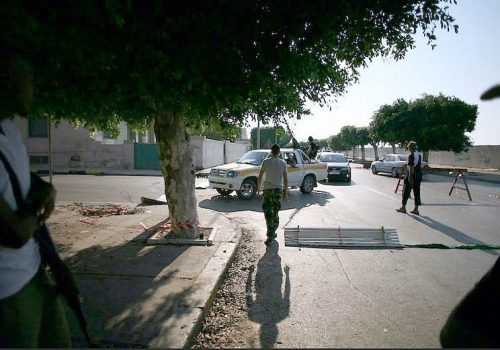
A rebel checkpoint in Libya, August 26, 2011

NATOSource

Oct 22, 2013

Assassination Pushes Libya Towards Civil War

By Chris Stephen, Guardian

Violence between radical militias and regular forces broke out on Friday night and continued yesterday [Saturday], while the capital Tripoli is braced for fallout from the kidnapping earlier this month of prime minister Ali Zaidan.

Libya
NATO Secretary General Anders Fogh Rasmussen

NATOSource

Oct 21, 2013

NATO Agrees to Help Libya’s Security Forces

By Anders Fogh Rasmussen, NATO

Allies have agreed to respond positively to the request made by the Libyan Prime Minister for NATO to provide advice on defence institution building in Libya, as part of the overall efforts of the international community.

Libya NATO
NATO Secretary General Anders Fogh Rasmussen, October 10, 2013

NATOSource

Oct 10, 2013

Zeidan Kidnapping Highlights 5 Month Delay in NATO-Libya Security Agreement

By John Vandiver, Stars and Stripes

The reported abduction of Libya’s prime minster early Thursday has exposed the shortcomings in the country’s security sector

Libya NATO
NATO Secretary General Anders Fogh Rasmussen, October 10, 2013

NATOSource

Oct 10, 2013

NATO Secretary General: ‘Something Needs to be Done’ to Help Libya

By Anders Fogh Rasmussen, NATO

I can confirm that the Libyan authorities have requested NATO assistance to build or reform the security sector.

European Union International Organizations
Prime Minister of Libya Ali Zeidan

NATOSource

Oct 10, 2013

Libyan Prime Minister Is Kidnapped, Then Freed

By David D. Kirkpatrick and Gerry Mullany

Libya’s prime minister, Ali Zeidan, was kidnapped from a hotel in the capital, Tripoli, on Thursday and briefly held in an apparent act of retaliation for his presumed consent to the capture of a suspected Qaeda leader by an American commando team.

Libya NATO

MENASource

Oct 3, 2013

Elections in Libya Will Signal Progress on Constitution

By Duncan Pickard

The General National Congress (GNC) of Libya made significant progress in the country’s slogging transition to democracy in July when it passed an electoral law to govern the elections of a sixty-member constituent assembly to draft a new constitution.

Libya

Experts