Oil & Gas

Even in a more carbon-conscious world, oil and gas will continue to play a significant role in the global energy system. From petrochemicals to power generation, oil and gas technologies will be a central player in the “dual challenge” of meeting increased energy demand and the need for low-carbon energy, making oil and gas still critical for international trade, investment, and geopolitics.

Recent analysis

Programs

The Global Energy Center develops and promotes pragmatic and nonpartisan policy solutions designed to advance global energy security, enhance economic opportunity, and accelerate pathways to net-zero emissions.

Events
Global Energy Forum

Jan 11, 2020

Climate commitments needed to head off threats of volatility and instability

By Adal Mirza

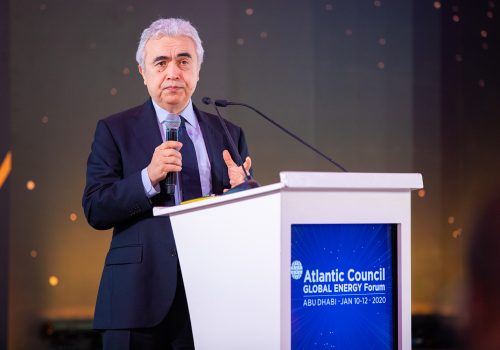
A widening gap between perceptions and reality of the global energy markets could increase volatility as governments, policy makers, and industries struggle to tackle climate change, according to Fatih Birol, the executive director of the International Energy Agency.

Climate Change & Climate Action Energy Markets & Governance

Global Energy Forum

Jan 9, 2020

International grid integration: Efficiencies, vulnerabilities, and strategic implications in Asia

By Phillip Cornell

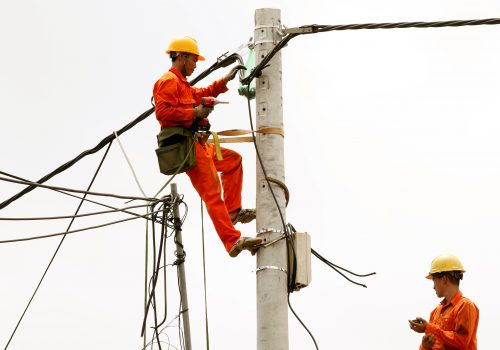
In order to meet growing global demand for electricity, and in response to an increase in renewables, power networks and markets are evolving and becoming increasingly interconnected. South and Southeast Asia have already had some success with interconnections, and China’s vision and Belt and Road Initiative loom large in the region, but there are geopolitical concerns to contend with. Could a US model manage these concerns? What is the state of regional power markets in Asia and investment in regional grid infrastructure, and what responses are we already seeing to emerging trends?

Climate Change & Climate Action Energy Markets & Governance

Global Energy Forum

Jan 9, 2020

Energy sector diversification: Meeting demographic challenges in the MENA region

By Bina Hussein

The Middle East and North Africa (MENA) region is projected to experience significant demographic growth by 2050, growth which will have to be met with commensurate economic expansion and job opportunities, or the region will risk an increase in political instability. To meet this challenge, countries in the region must diversify their economies beyond the energy sector and expand their energy sector beyond hydrocarbons. What are the key trends that MENA countries will have to contend with, what is already being done, and what further steps should be taken?

Energy Markets & Governance Energy Transitions

Content

In the News

Aug 25, 2019

Ralby quoted in The Khaleej Times on oil tanker off Yemen coast

By Atlantic Council

Oil and Gas The Gulf

In the News

Aug 23, 2019

Bell quoted in US News and World Report on Saudi Arabia’s ties with China

By Atlantic Council

Oil and Gas Saudi Arabia

EnergySource

Aug 22, 2019

Rare opportunity opens for US LNG to reach Greece-Turkey-Ukraine gas corridor

By Aura Sabadus

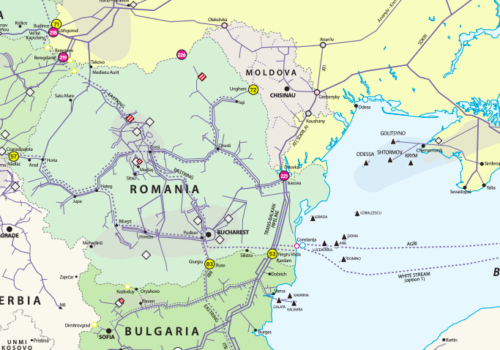
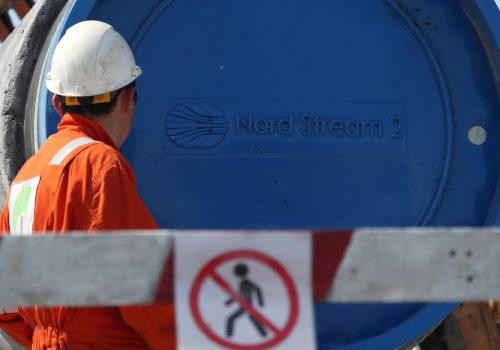
While the mainstream media’s attention is now focused on the completion of Russia’s two gas pipeline projects—Nord Stream 2 and TurkStream—exceptional, but under-reported changes are afoot in southeast Europe that could challenge Moscow’s regional dominance and geopolitical pressure and help establish a bidirectional north-south corridor linking Greece and Turkey to Ukraine along the Trans-Balkan pipeline. […]

Eastern Europe Energy & Environment

EnergySource

Aug 21, 2019

Sanctions prompt Iran to remain relevant in the global energy calculus

By Sara Bazoobandi

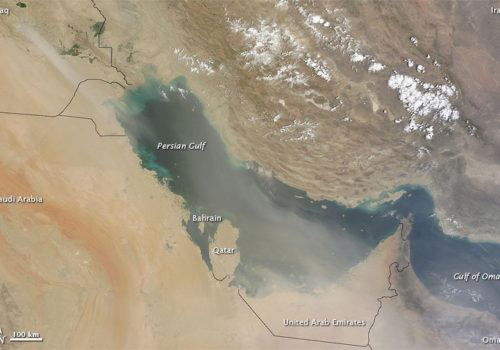
The Islamic Republic is determined to push back against maximum US pressure. Iran’s actions will not only be disruptive for security of energy transportation through the Gulf but they will also increase the risk of a sudden military escalation.

Energy & Environment Energy Markets & Governance

New Atlanticist

Aug 13, 2019

To deal with bad ideas, develop better solutions

By Daniel Fried

Putin’s Russia has a track record of using gas exports as political pressure, for example, against Ukraine in the years leading up to Putin’s attack on that country in 2014 and has threatened to do the same to Central European countries, including those in the European Union.

Central Europe Energy Markets & Governance

UkraineAlert

Aug 8, 2019

Time is running out to kill Putin’s pet project

By Diane Francis

Russia’s disregard for European votes, laws, and court rulings against the pipeline should be reason enough to ban the project.

Geopolitics & Energy Security Oil and Gas

In the News

Aug 8, 2019

McFate quoted in the Evening Standard on British defense issues

By Atlantic Council

Defense Policy Iran

In the News

Aug 7, 2019

Shaffer quoted in Politico on US anti-Nord Stream 2 efforts

By Atlantic Council

Oil and Gas Western Europe

In the News

Aug 4, 2019

Dagres quoted in the Independent on Iran’s seizure of an oil tanker

By Atlantic Council

Financial Sanctions and Economic Coercion Iran

EnergySource

Jul 28, 2019

Gaming out the disaster: What could go wrong with the FSO Safer

By Dr. David Soud, Rohini Ralby, and Dr. Ian Ralby

In April, we sounded the alarm about how the Safer, an oil tanker converted into a floating storage and offloading facility (FSO) near the Red Sea coast of Yemen and filled with an estimated 1.1 million barrels of crude oil, was not only structurally deteriorating but might actually explode. In the past week, news outlets around […]

Geopolitics & Energy Security Middle East

Experts

Events